FICTION BUT FUTURE CHAPTER 2: SCI-FILA PARISIENNE
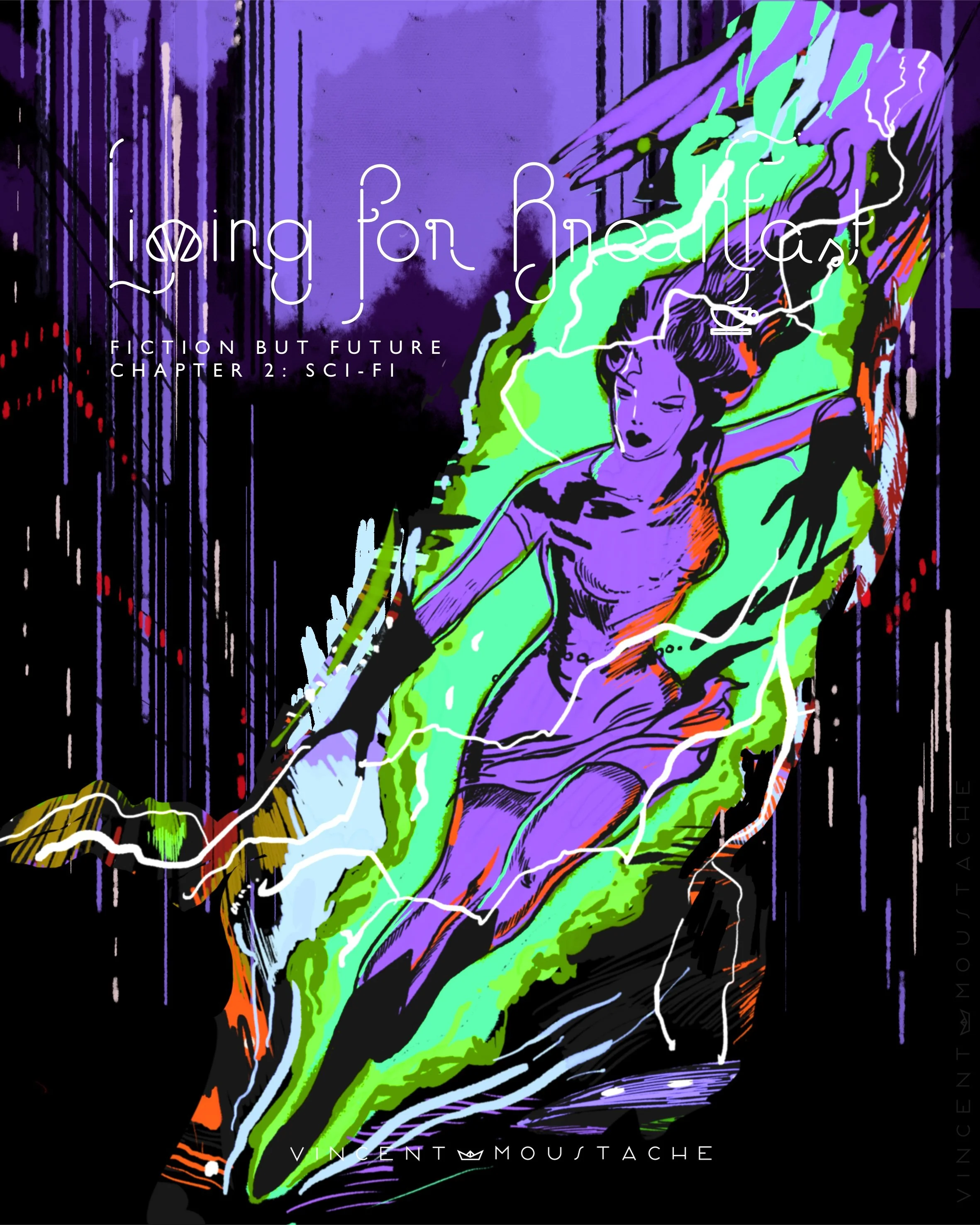

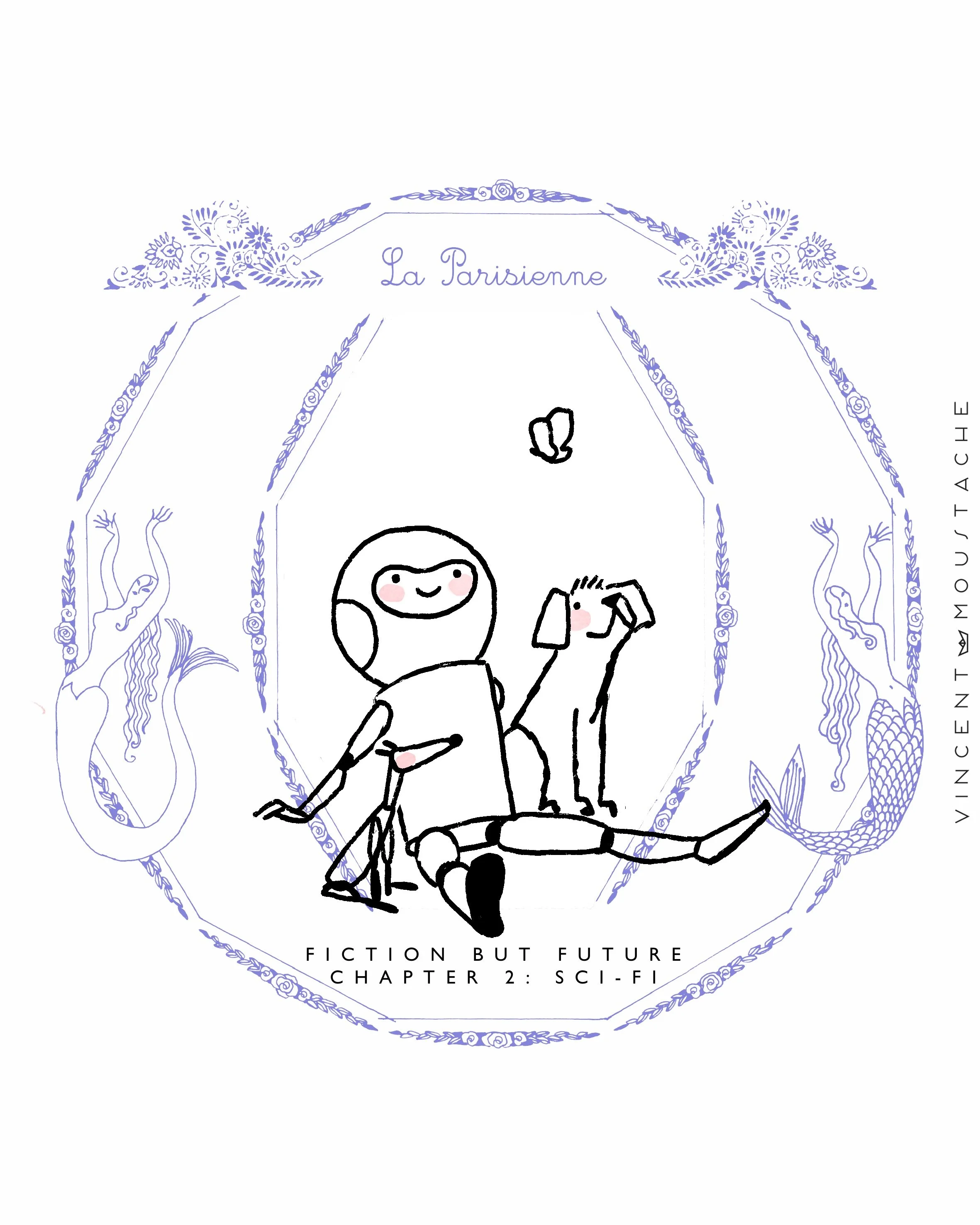
FICTION BUT FUTURE
CHAPTER 2: SCI-FI
LA PARISIENNE
This week we continue with the series "Fiction but Future. Chapter 2: SCI-FI," where we explore the universe of narrative, storytelling, and fiction in its most imaginative genre: science fiction. Since AI is all the rage right now, and this whole thing is really a personal exercise to understand it and become friends—almost like a Self-Sci-Fi experiment (a nod to last week's article)—this Sunday I’ve let AI co-write the information with me. This leaves me with more time and energy for what I love and what is mine to do: conceptualizing and drawing.
I also thought that if I asked it to search for information, it wouldn't make much sense for me to rewrite it just to justify human labor. For now, I think the balance will be letting it participate and do its job while I do mine: it handles the searches and verified information, and I handle the personal articles, concepts, and art. I think I—we—are going to do just fine.
Next week we continue with science fiction: "Fiction but Future. Chapter 3: ROBOTS." Personally, I'm not going to miss it; I love the idea of the future. How about you? Happy Croissant Sunday. The curtain rises and... an AI appears:
AI - SUMMARY SCI - FI
Here is a short clear summary of what science fiction is
Science fiction often called sci-fi is a genre of fiction that explores the impact of actual or imagined science and technology on individuals and society
SCIENCE FICTION (SCI-FI) SUMMARY
What is Science Fiction?
Science Fiction is a genre of speculative fiction that explores the impact of actual or imagined science and technology on society and individuals. It typically features futuristic settings space travel time travel parallel universes or extraterrestrial. Unlike fantasy, its premises are usually rooted in scientific principles, laws of nature, or logical extensions of current technology (even if highly speculative).
KEY TAKEAWAYS
The Core It asks What if about technology and the future
The Difference Unlike fantasy its concepts are grounded in scientific logic
KEY THEMES AND COMMON TROPES
* Space Exploration and Space Opera: Travel between stars, alien civilizations, and galactic empires (such as Star Wars or Dune).
* Time Travel: Exploring the paradoxes of altering the past or visiting the future (such as The Time Machine or Back to the Future).
* Cyberpunk and AI: High-tech, low-life societies focusing on artificial intelligence, cybernetics, and virtual reality (such as Blade Runner or The Matrix).
* Dystopias and Post-Apocalyptic Worlds: Societies gone wrong due to totalitarianism, climate collapse, or technological overreach (such as 1984 or The Hunger Games).
SUB - GENRES: HARD VS. SOFT SCI-FI
Hard Science Fiction prioritizes scientific accuracy and technical detail (such as physics, astrophysics, and chemistry). Example: The Martian by Andy Weir.
Soft Science Fiction focuses more on social sciences, psychology, philosophy, and human behavior rather than the exact mechanics of the technology. Example: Left Hand of Darkness by Ursula K. Le Guin.
WHY IT MATTERS
At its core, science fiction acts as a mirror to our current world. By imagining future possibilities or alien scenarios, authors criticize contemporary social issues, warn us about ethical lines we should not cross, and inspire real-world technological innovation.
TEXT By Vincent Moustache with AI
ILLUSTRATIONS By @VincentMoustache
FICTION BUT FUTURE
CHAPTER 2: SCI-FI
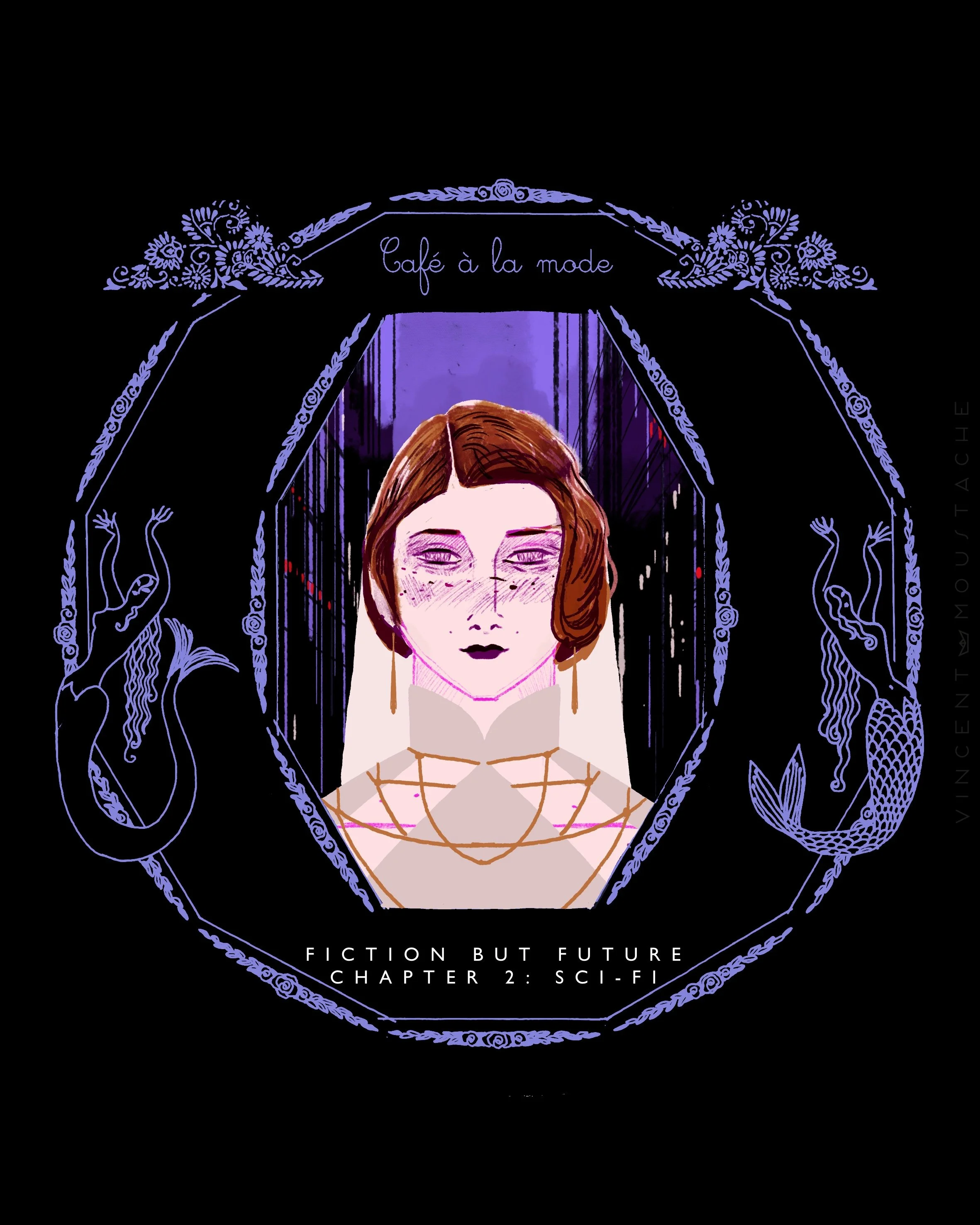
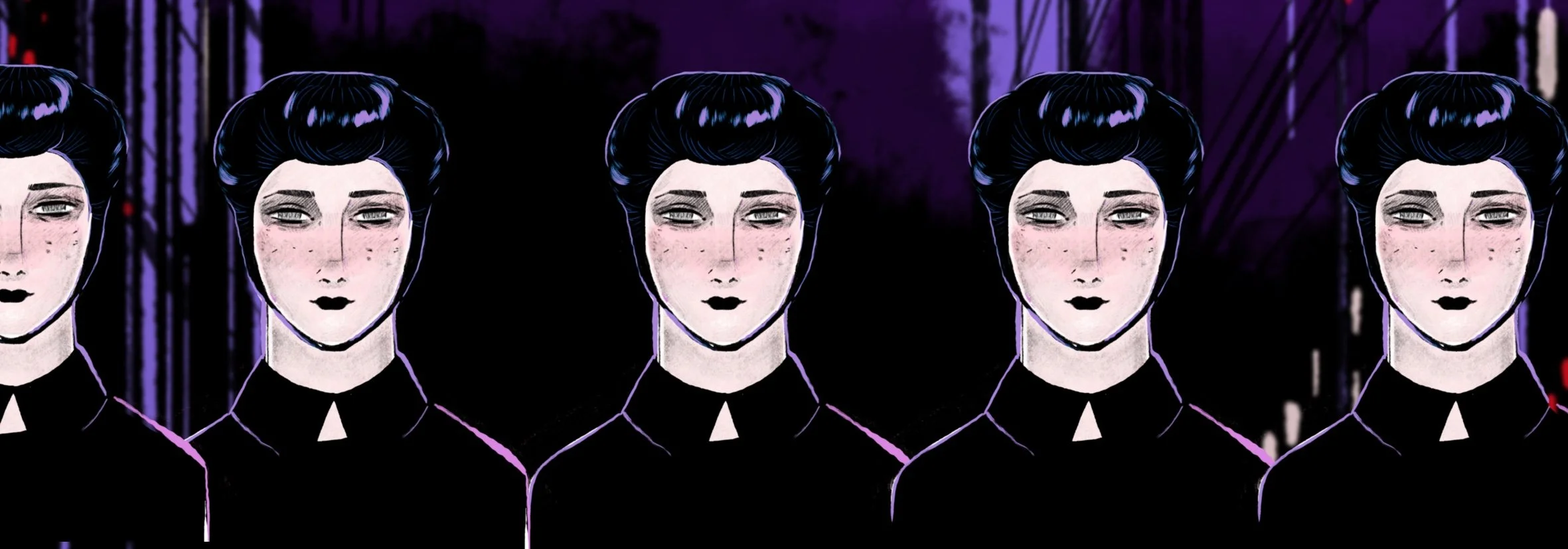
CAÉ À LA MODE
Sci-fi fashion uses clothing to show future societies technology or human evolution Famous designers often collaborate with directors to create iconic looks.
FICTION BUT FUTURE
CHAPTER 2: SCI-FI
38 SCI-FI MOVIE LIST
ROCKET COCKTAILS WITH AN ILLUSTRATOR FROM ANOTHER PLANET
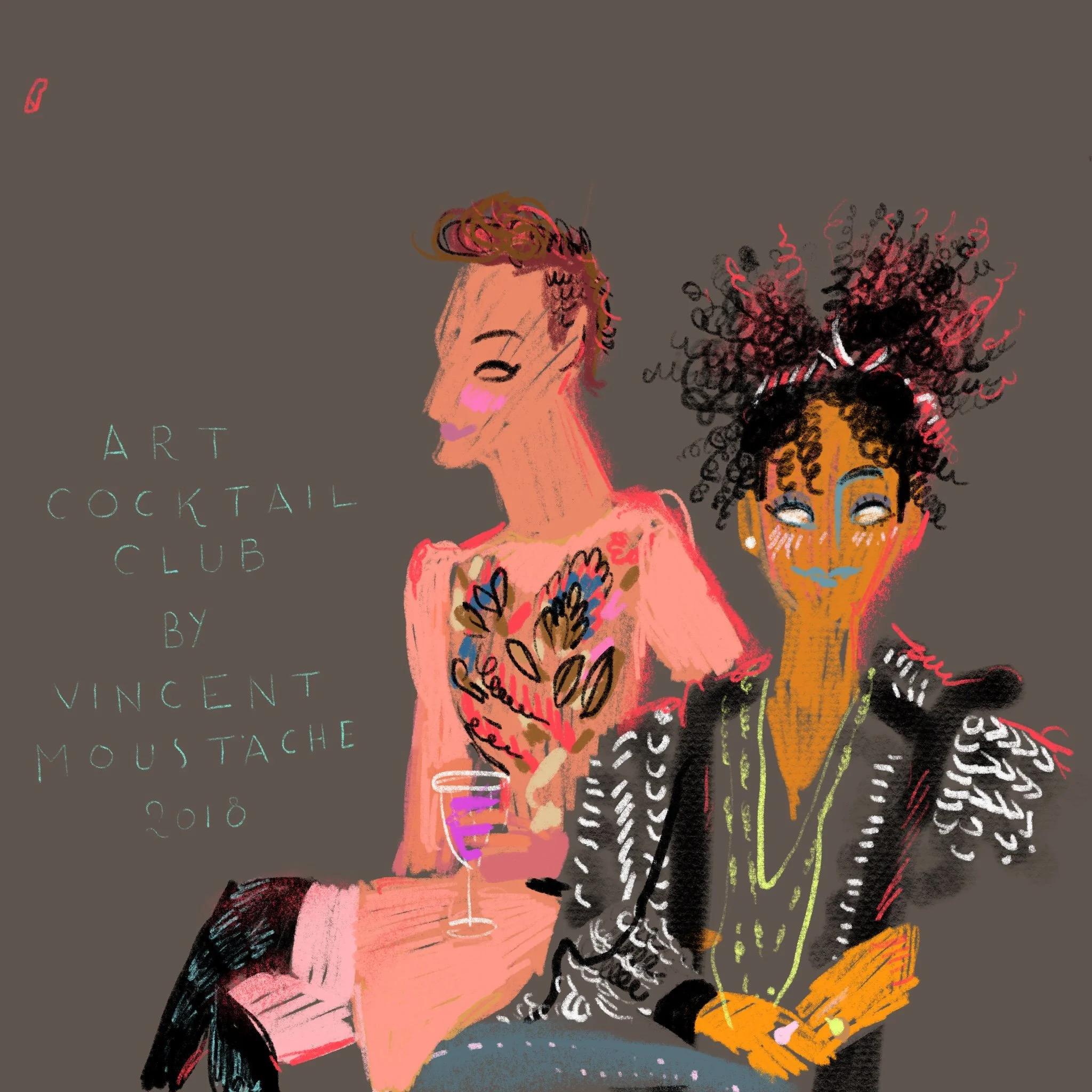
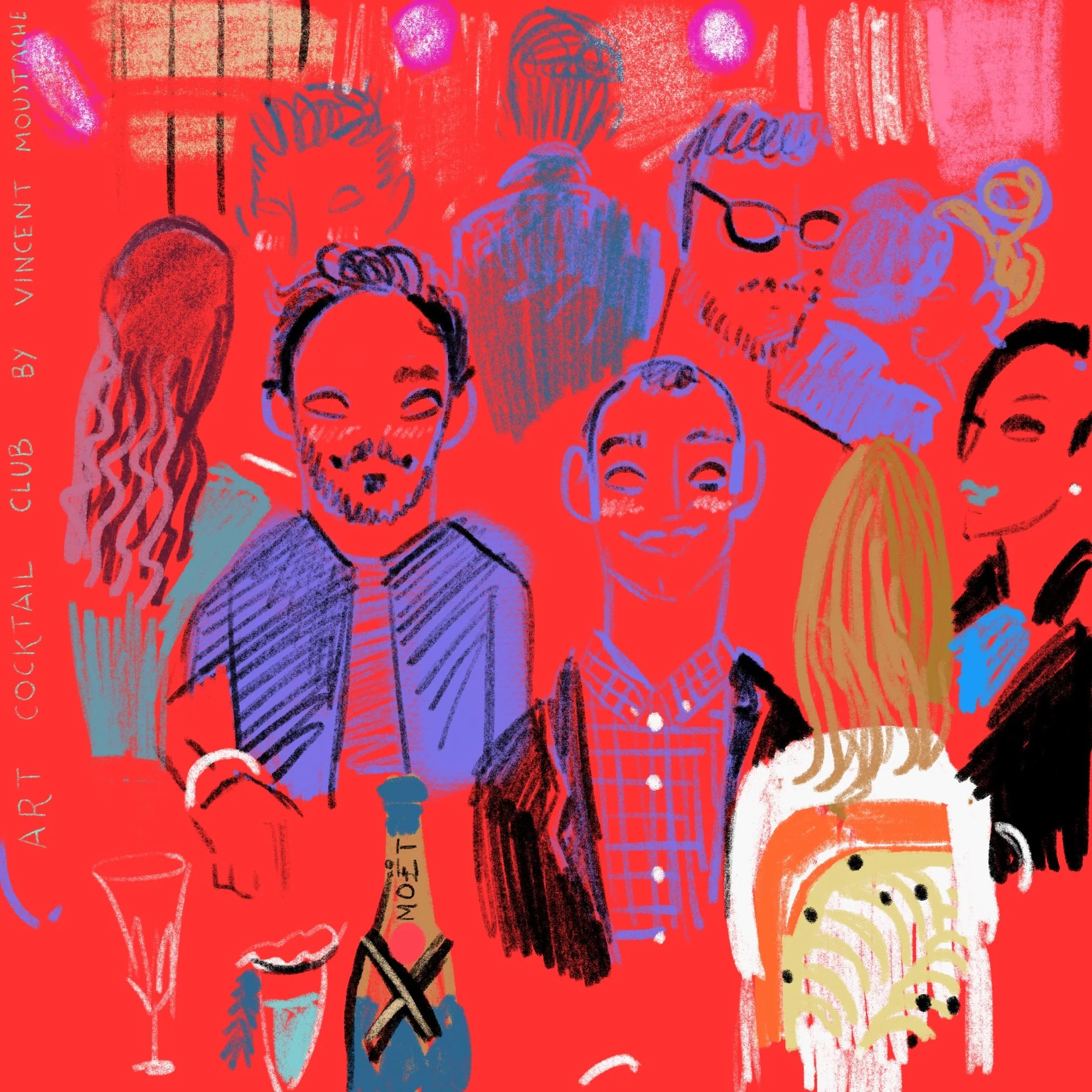
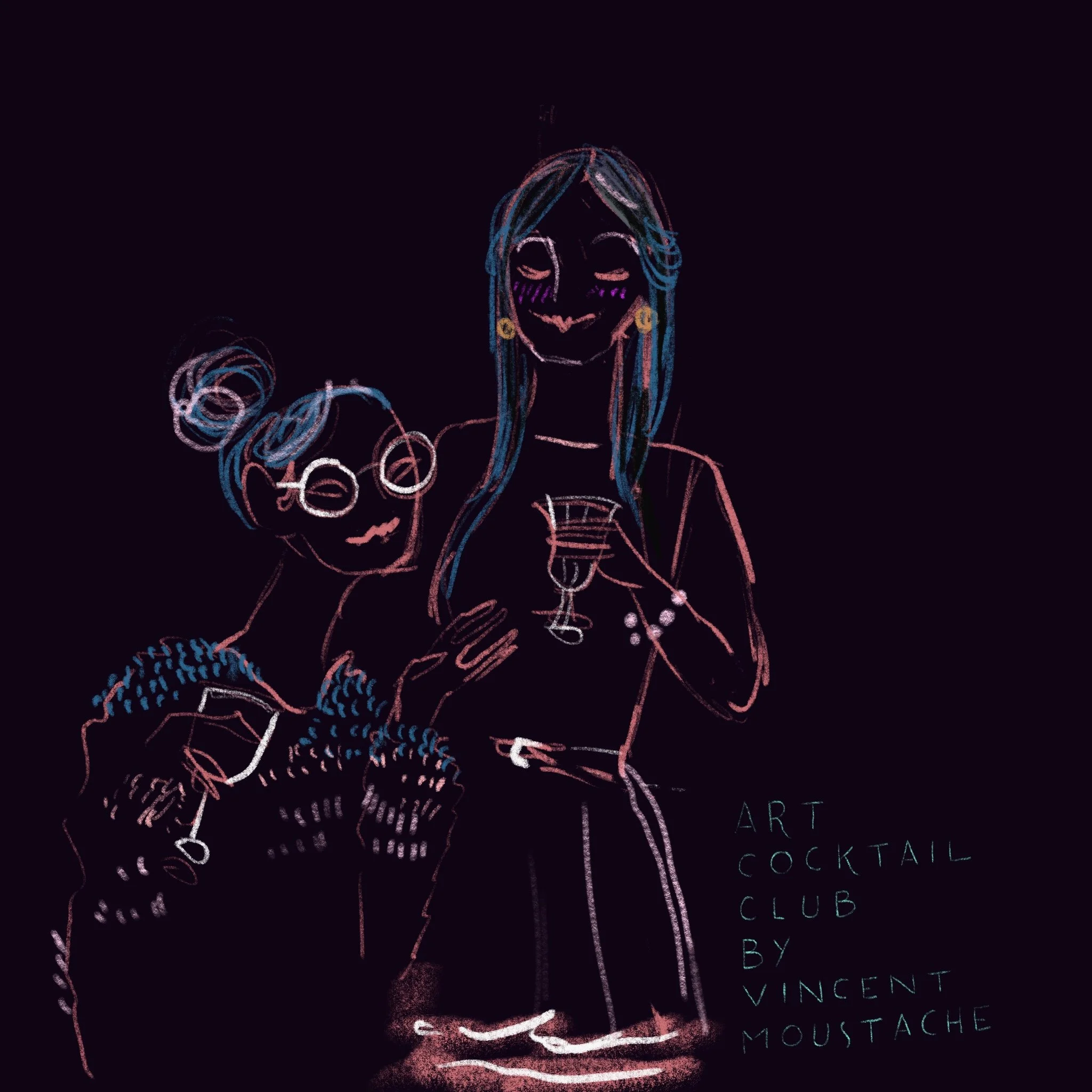
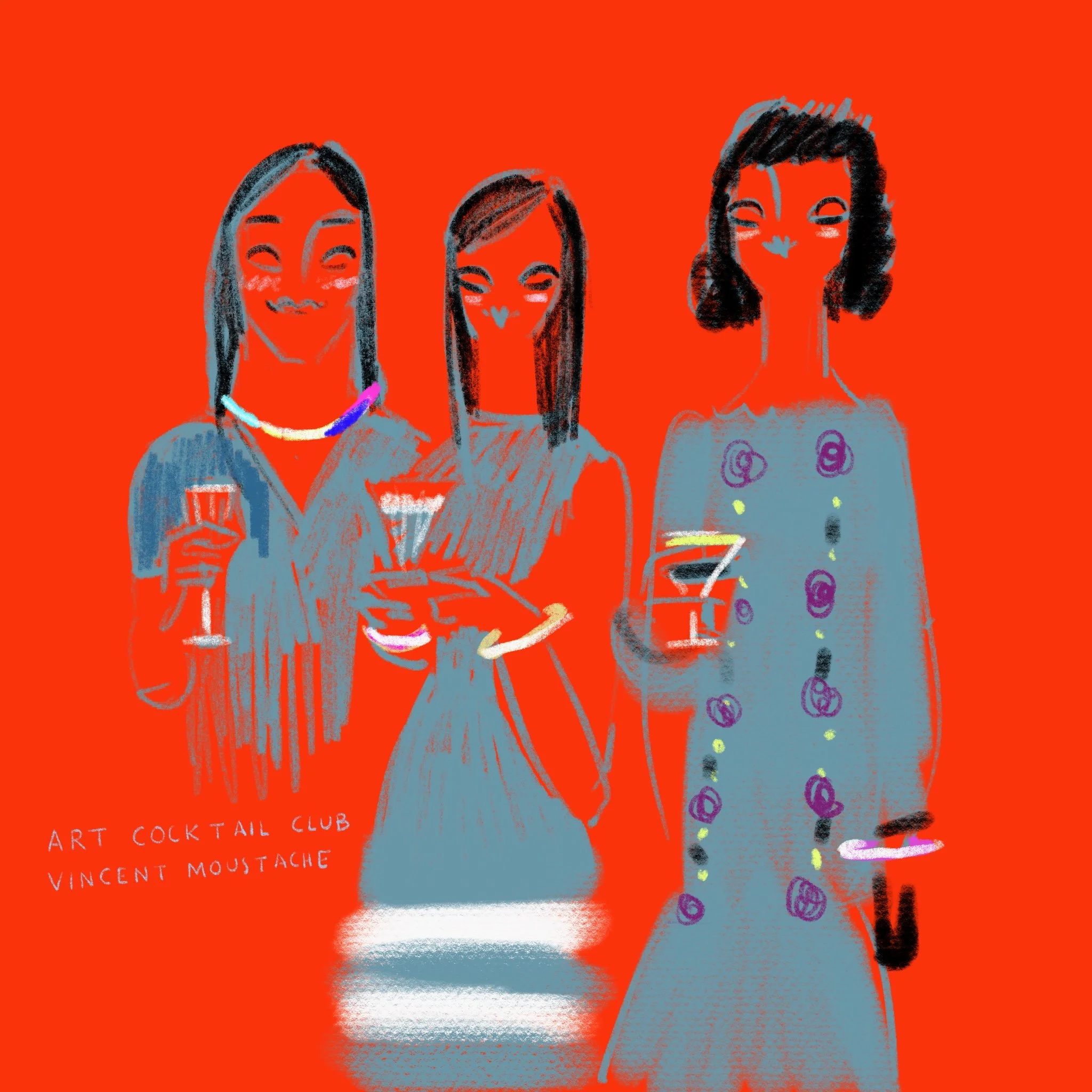
Portraits during a sci-fi themed party. Concept, portraits, & cocktails by the Art Cocktail Club team: Alexandra Purcaru, Claudio Vandi & Vincent Moustache.