FLAPPERS & PHILOSOPHERS ODYSSEY

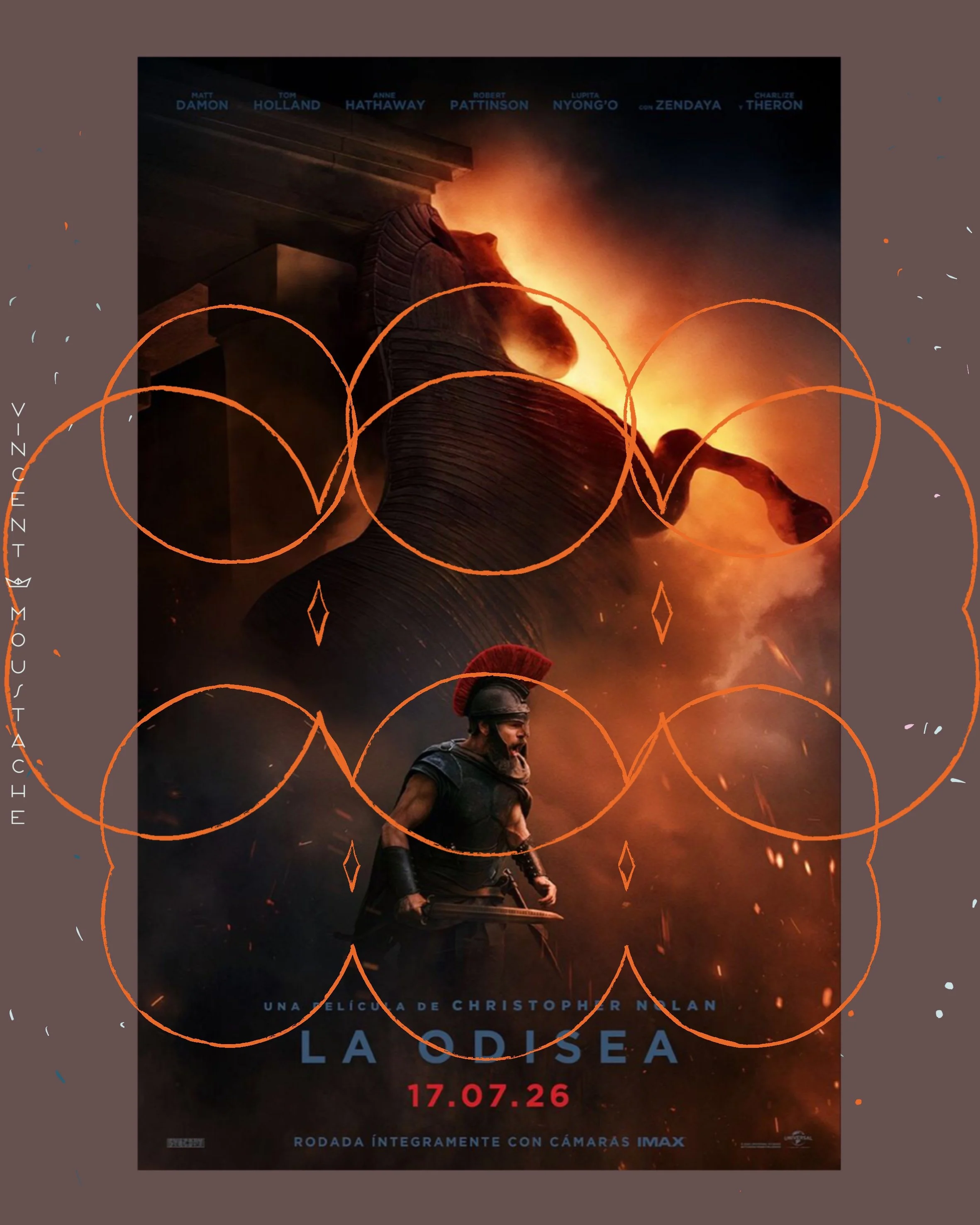
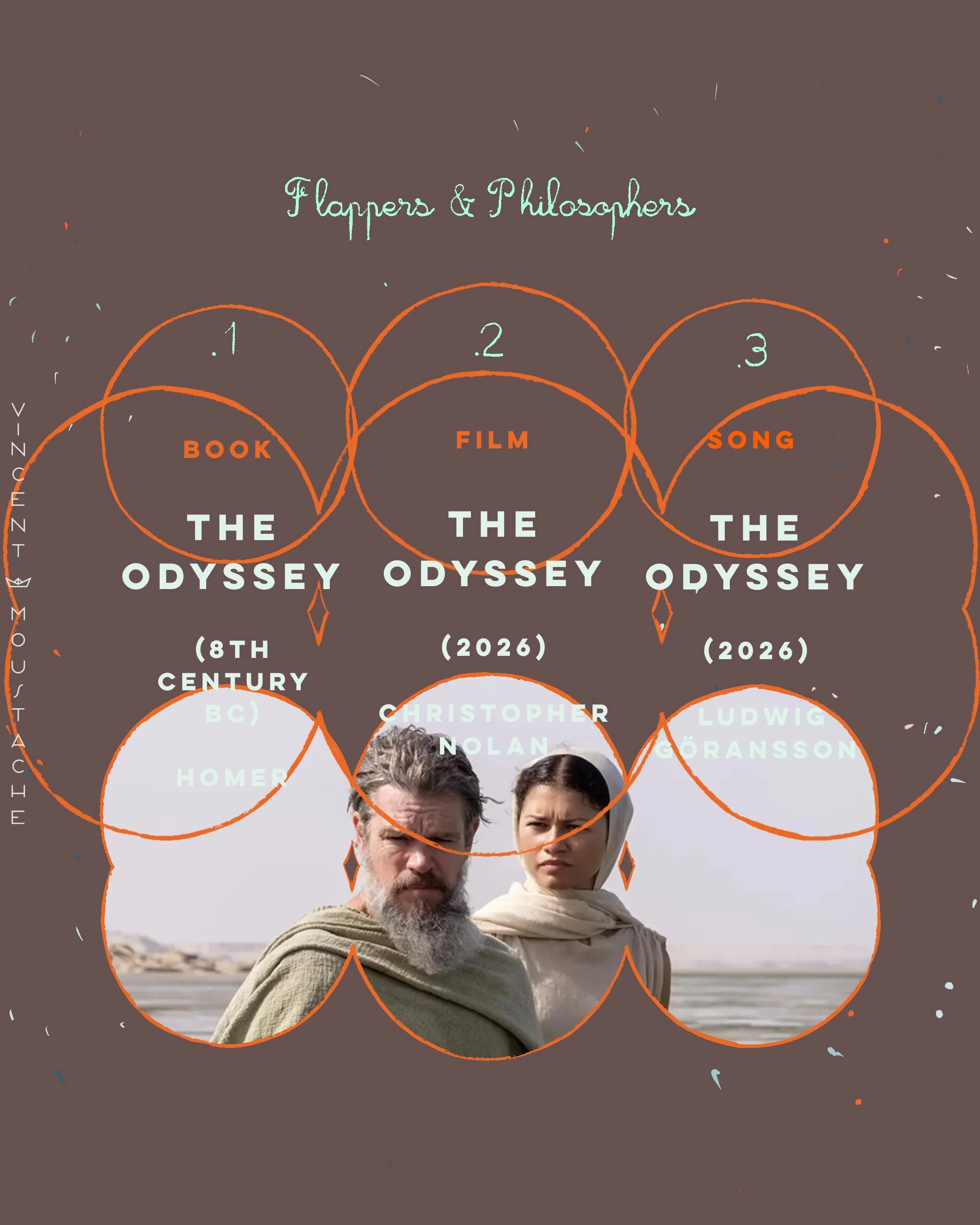
« The Odyssey » (2026) Christopher Nolan.
Text by Vincent Moustache with AI assistance for research, proofreading, and translation. Illustrations by Vincent Moustache.
A CROISSANT AT THE MOVIES
In Paris, there is a card called UGC Illimitée—UGC is the name of a cinema chain—and I love telling people about it. For a flat fee of 24€, you can watch as many movies as you want. To fuel my own inspiration and create content, I watch a lot of movies; I love cinema: I like the front row, stepping into the screen, watching three movies back-to-back, all in theaters. I think this is true luxury. Over these past few months of watching so many films, in many of them, things have happened to me that were connected to the movie I was about to watch—I'll tell you about those later—and in this specific one, I was the one who caused "the experience."
I arrived early at the cinema, stopped by a supermarket, and bought my dinner. I messed up my tickets and canceled the one for 4:30 PM, so I had to buy a ticket for 5:30 PM instead. I thought I’d eat my dinner (yes, my dinner at 5:00 PM) in the cinema lobby, so I scanned my ticket and went inside. Looking back on it now, it makes no sense, but at the time it seemed logical. I walked into the auditorium where I thought my 4:30 PM movie had started, but instead, I walked into one where a movie was just ending. I sat down and, while eating my dinner, watched the very end of The Odyssey. Then I walked out—they make you leave—and went back in, this time properly, to watch The Odyssey (all 3 hours) for my scheduled slot. When I reached the exact part of the movie I had just spoiled for myself at the end, I left.
And now comes the actual anecdote connected to the film: Both the original story and the movie start at the end. In Homer's novel, Odysseus arrives on the island of the Phaeacians and, during a banquet, recounts his adventures in the form of a flashback. Am I a Parisian Odysseus of the year 2026? Yes, I am.
« The Odyssey » (2026) by Christopher Nolan
* Director and Screenwriter: Christopher Nolan (based on Homer's epic work)
* Producers: Emma Thomas & Christopher Nolan
* Production Companies and Distribution: Syncopy and Universal Pictures
* Original Score: Ludwig Göransson
* Cinematography: Hoyte van Hoytema
* Editor: Jennifer Lame
* Runtime: 173 minutes (2 hours and 53 minutes)
* Estimated Budget: $250 million USD
* Release Date: July 2026
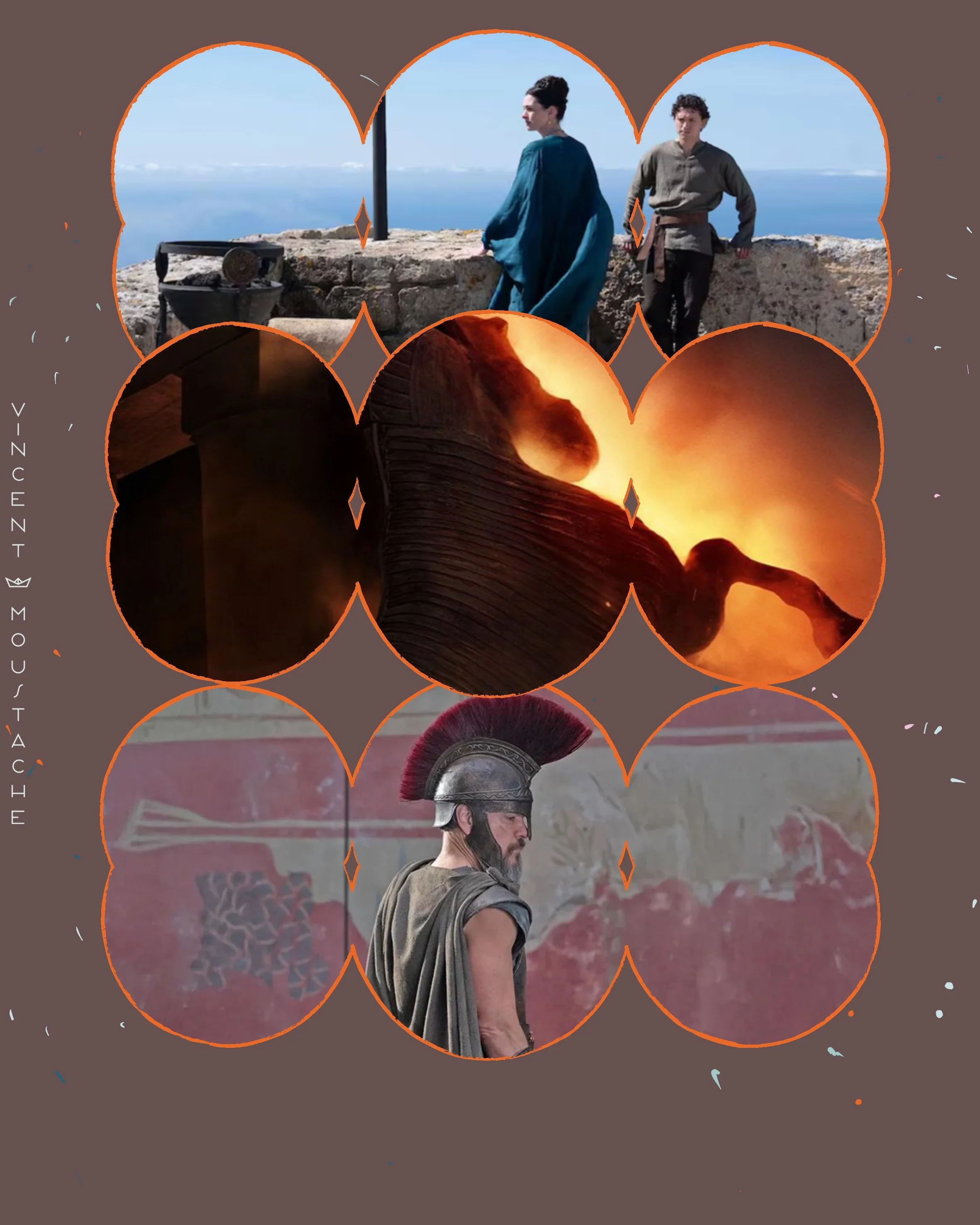
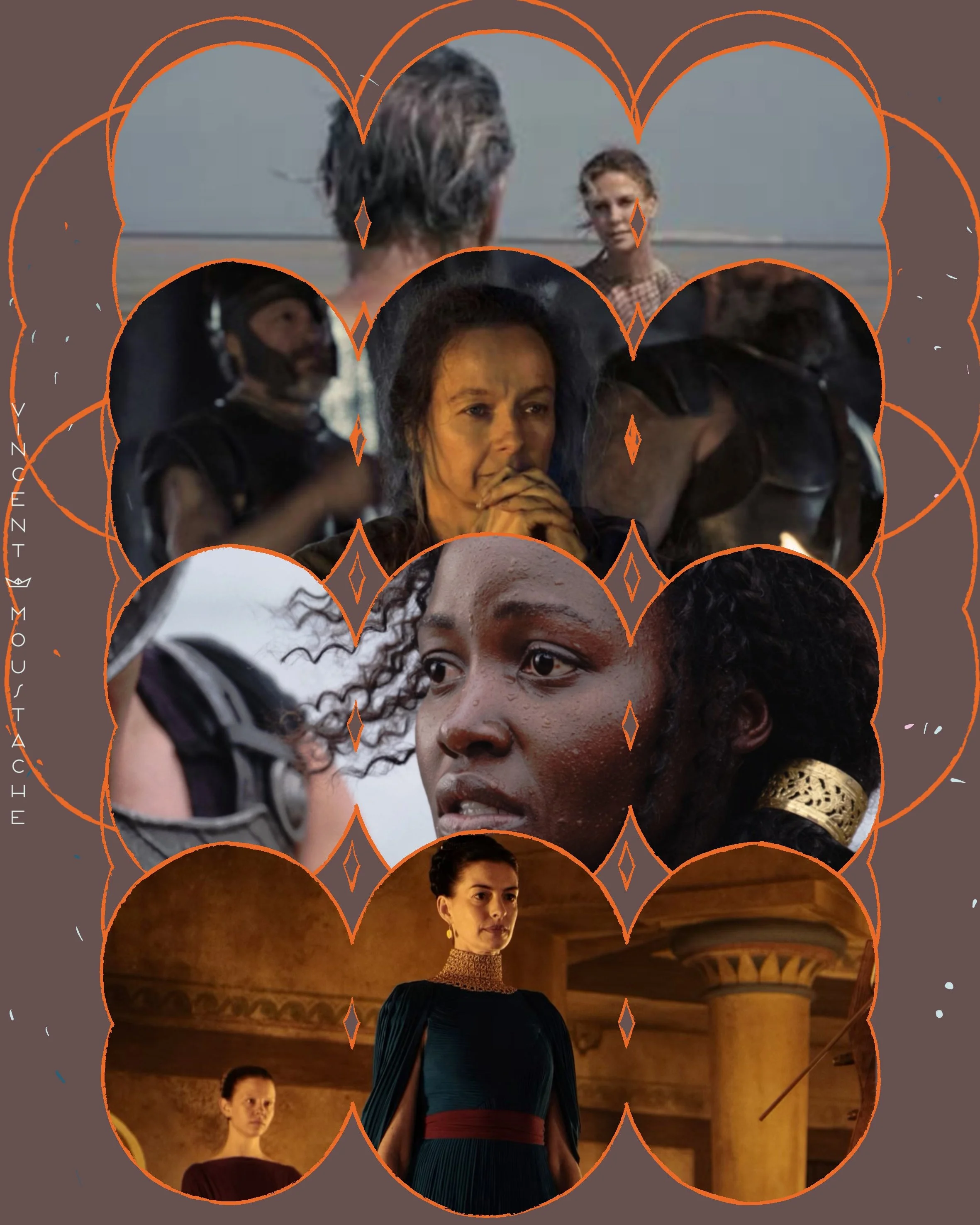
Cast
* Matt Damon – Odysseus (Ulysses)
* Anne Hathaway – Penelope
* Tom Holland – Telemachus
* Robert Pattinson – Antinous
* Zendaya – Goddess Athena
* Charlize Theron – Calypso
* Samantha Morton – Circe
* Lupita Nyong'o – Helen / Clytemnestra
* Benny Safdie – Agamemnon
* Jon Bernthal – Menelaus
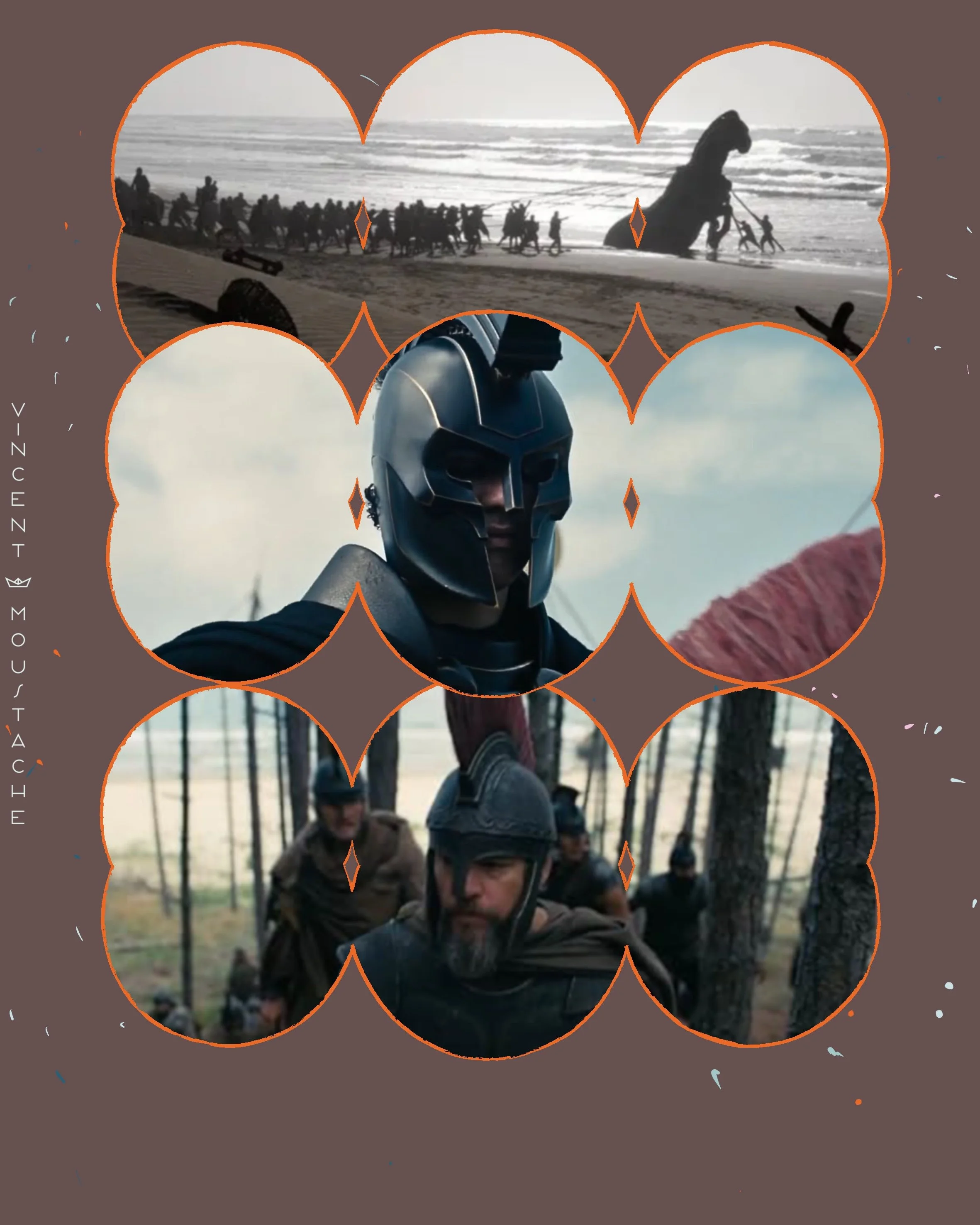
Production
* Shooting Format: The first film in history shot 100% in 70mm photochemical IMAX format using cameras custom-developed for the production.
* Visual Effects: Priority given to practical effects, miniature models, and animatronics for the mythical creatures, reducing CGI to an absolute minimum.
* Locations: Morocco, Greece, Italy, Scotland, Iceland, and Malta.
* Narrative Style: Non-linear structure combining Odysseus's sea voyage with passages from the Trojan War and references to the Late Bronze Age collapse.
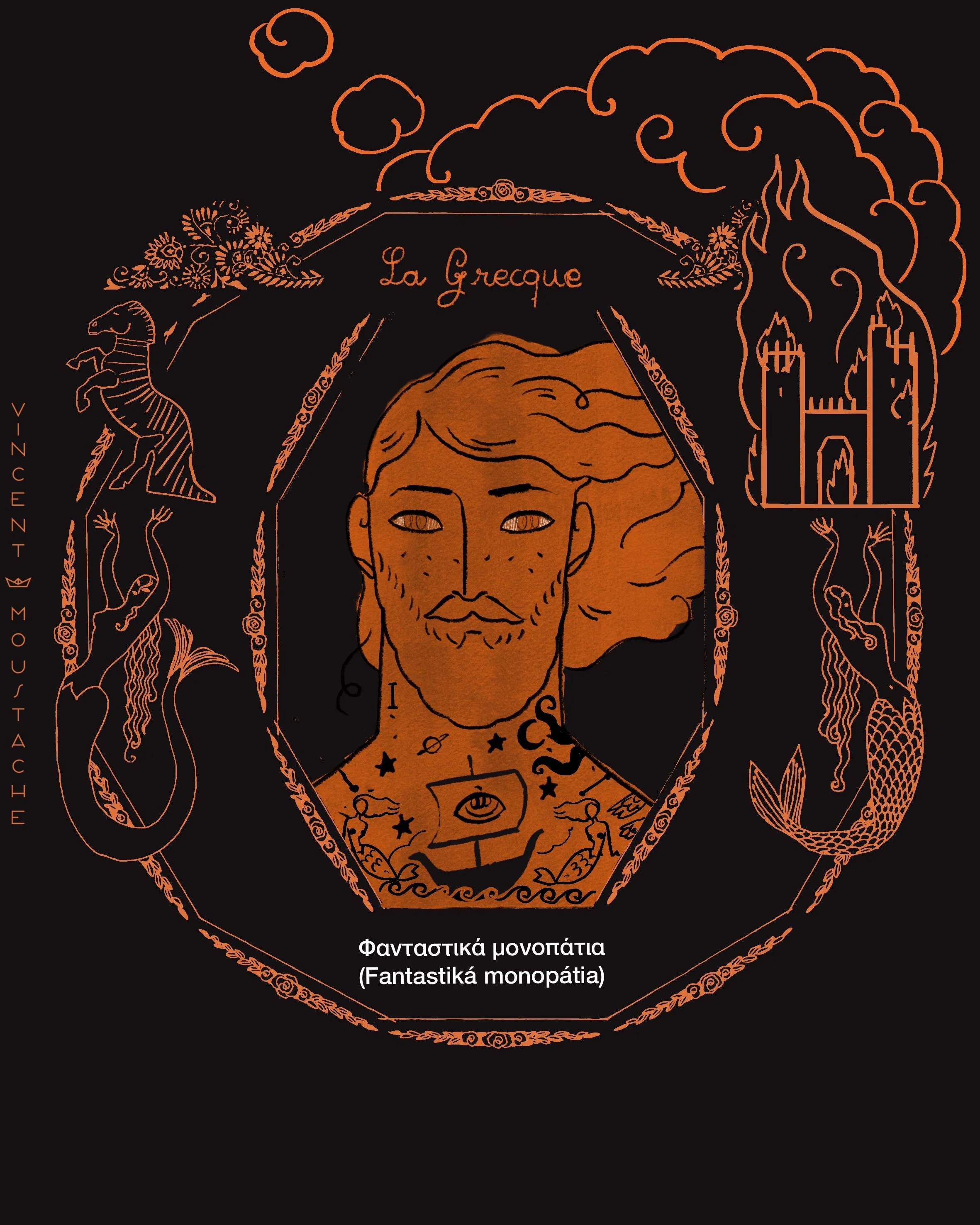
THE FILM:
I liked it; I would watch it again. The performances are exceptional, and the staging and costume design instantly make it a modern cinematic classic.
THE GEOPOLITICAL CONTROVERSY
It was filmed in the territory of Western Sahara occupied by Morocco.
THE HISTORICAL CONTROVERSY
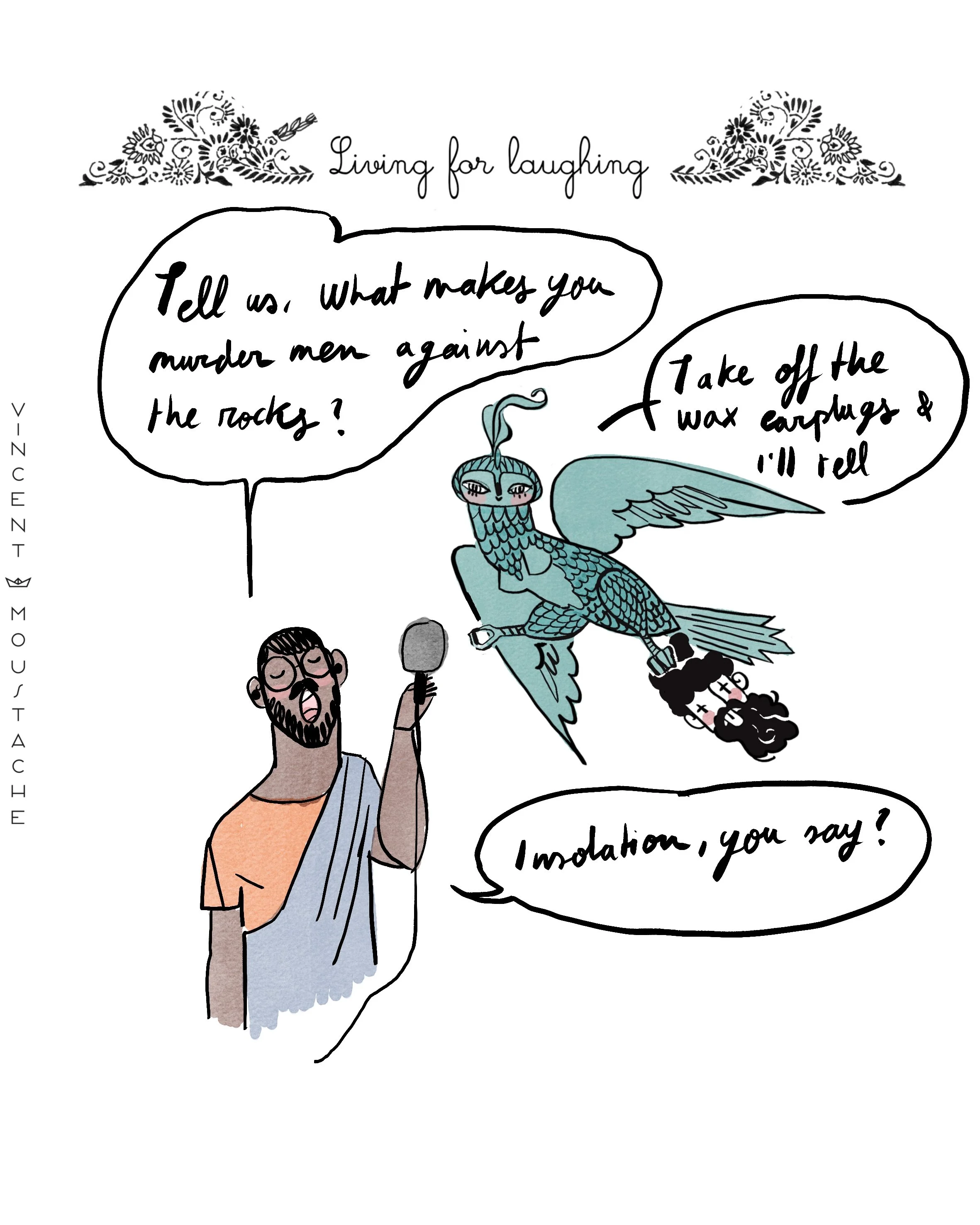
Internet users claim it is not historically accurate. The truth is, it neither is nor claims to be—and in fact, not even Homer wrote a historical novel:
THE REAL HISTORY
Four centuries passed from the time real Bronze Age warriors saw their cities fall (1200 BCE) until a poet named Homer turned them into a book (800 BCE). It is the equivalent of us writing an adventure novel today based solely on rumors and songs passed down orally about the year 1626.
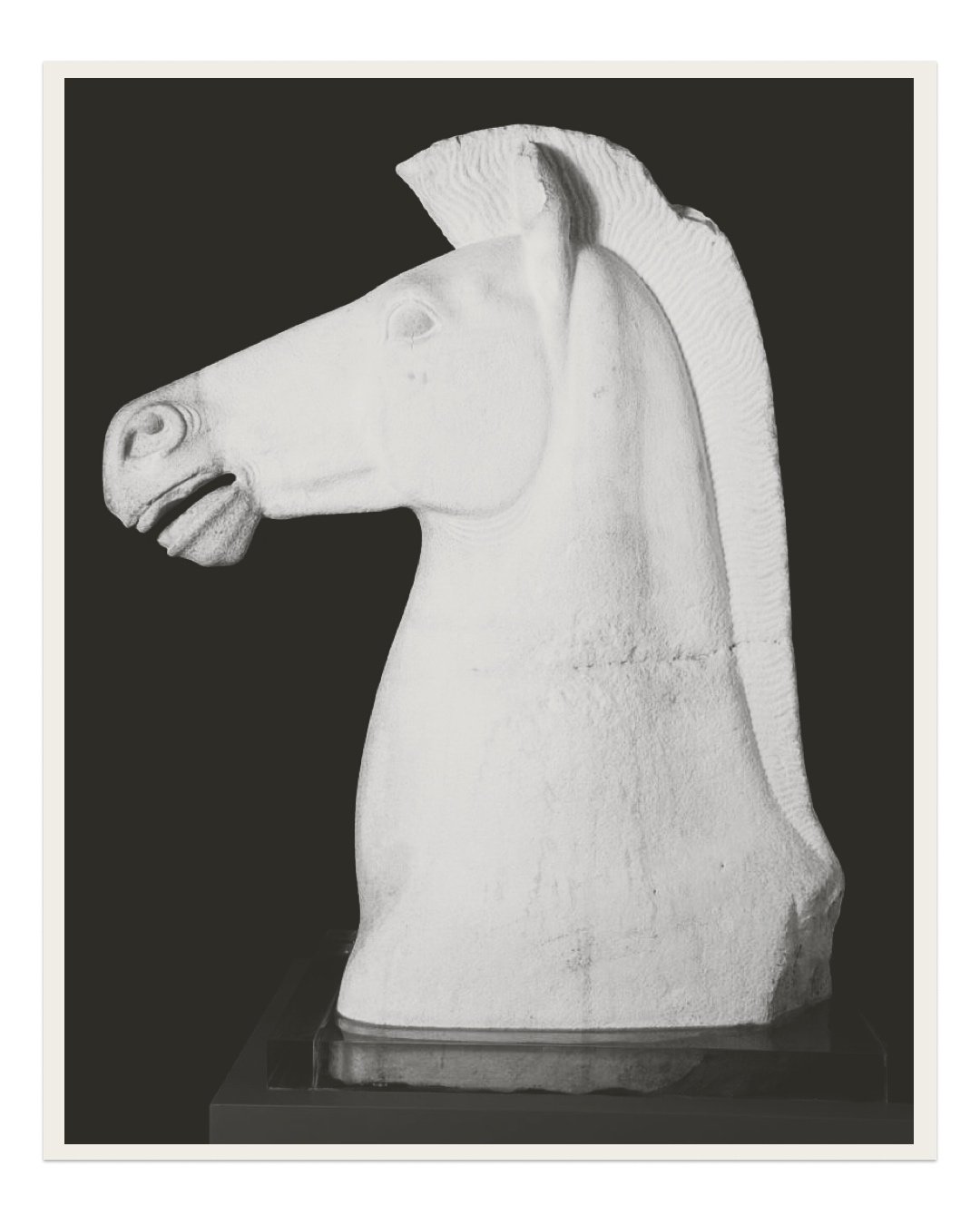
1. The Era Where the Action "Takes Place": The Bronze Age / Mycenaean Period (approx. 1600 – 1200 BCE)
This is the era when, if a real Trojan War existed, it took place. Greece was not unified; it was a map of independent, highly wealthy, and heavily fortified kingdoms (such as Mycenae, the city of King Agamemnon).
* The Use of Bronze: All weaponry, swords, and armor of the heroes in the poems are made of bronze. Iron is almost never mentioned for warfare because at the time it was a rare and extremely expensive metal.
* Grand Palaces: Homer describes spectacular palaces with walls covered in bronze and gold (like that of King Alcinous in The Odyssey). This matches archaeological findings of Mycenaean palaces perfectly.
* Chariots: Heroes ride into battle in horse-drawn chariots.
* The Boar's Tusk Helmet: The Iliad describes in detail a helmet made of plates of wild boar tusks. When archaeologists excavated Mycenaean tombs, they found those exact helmets! It was a real heirloom passed down through generations.
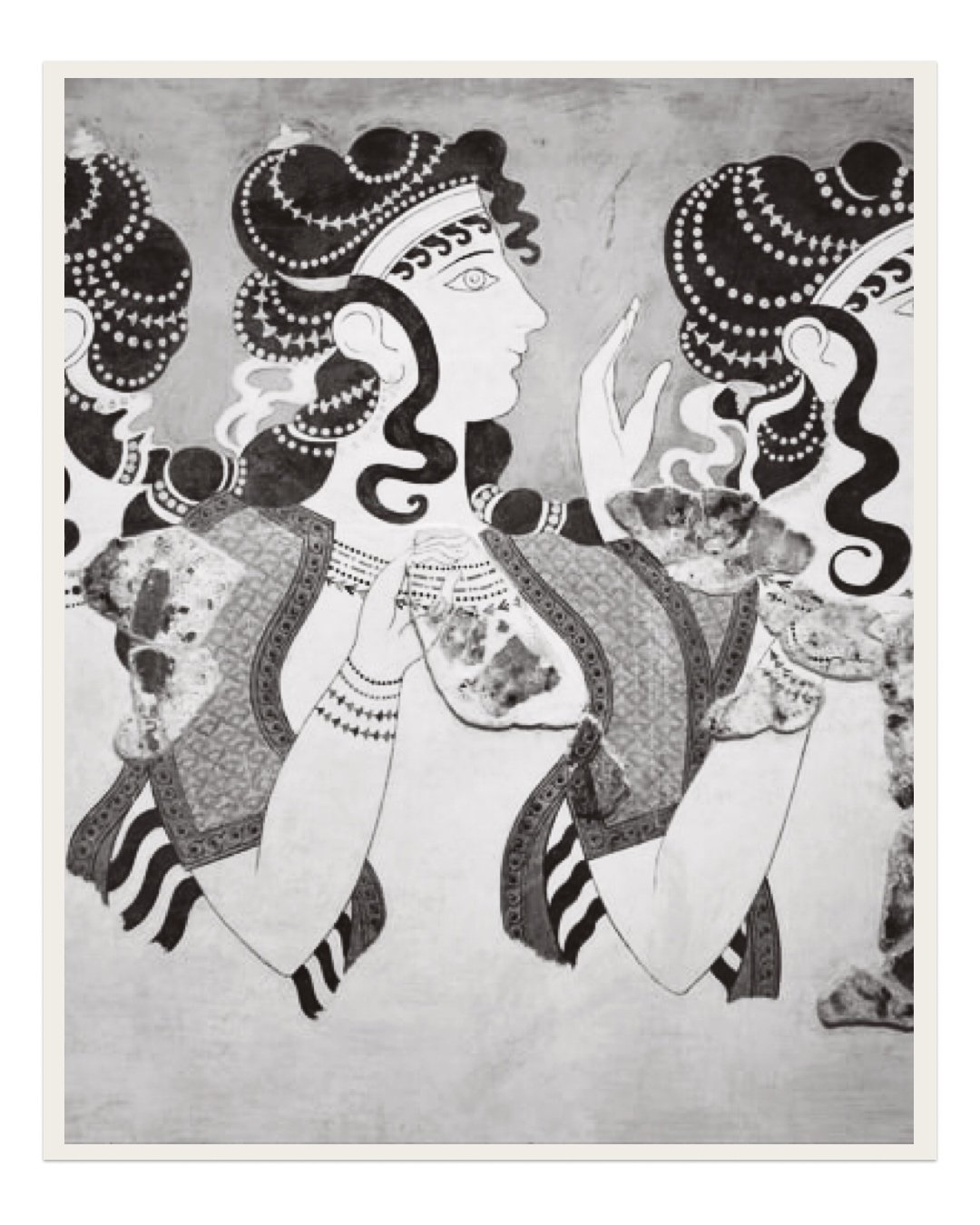
2. The Era of Social Details: The Greek Dark Ages (approx. 1100 – 800 BCE)
Around 1200 BCE, Mycenaean civilization suffered a brutal collapse (fires, invasions, climate crises), and the grand palaces vanished. Greece grew impoverished, the population shrank, and people forgot how to write. This period is called the Dark Ages. Even though Homer’s heroes live in bronze palaces, their customs are actually those of this poorer era:
* Working Kings: In The Odyssey, we see King Odysseus boasting about knowing how to plow a field and build his own wooden bed, and his wife Penelope weaving. In the rich Mycenaean era, an emperor would never do manual work; in the humble Dark Ages, they did.
* Cremation vs. Burial: In The Iliad, fallen warriors (like Patroclus or Hector) are burned on funeral pyres. However, we know that 1300 BCE Mycenaeans buried their dead in large stone tombs. Cremation became a custom later, during the Dark Ages.
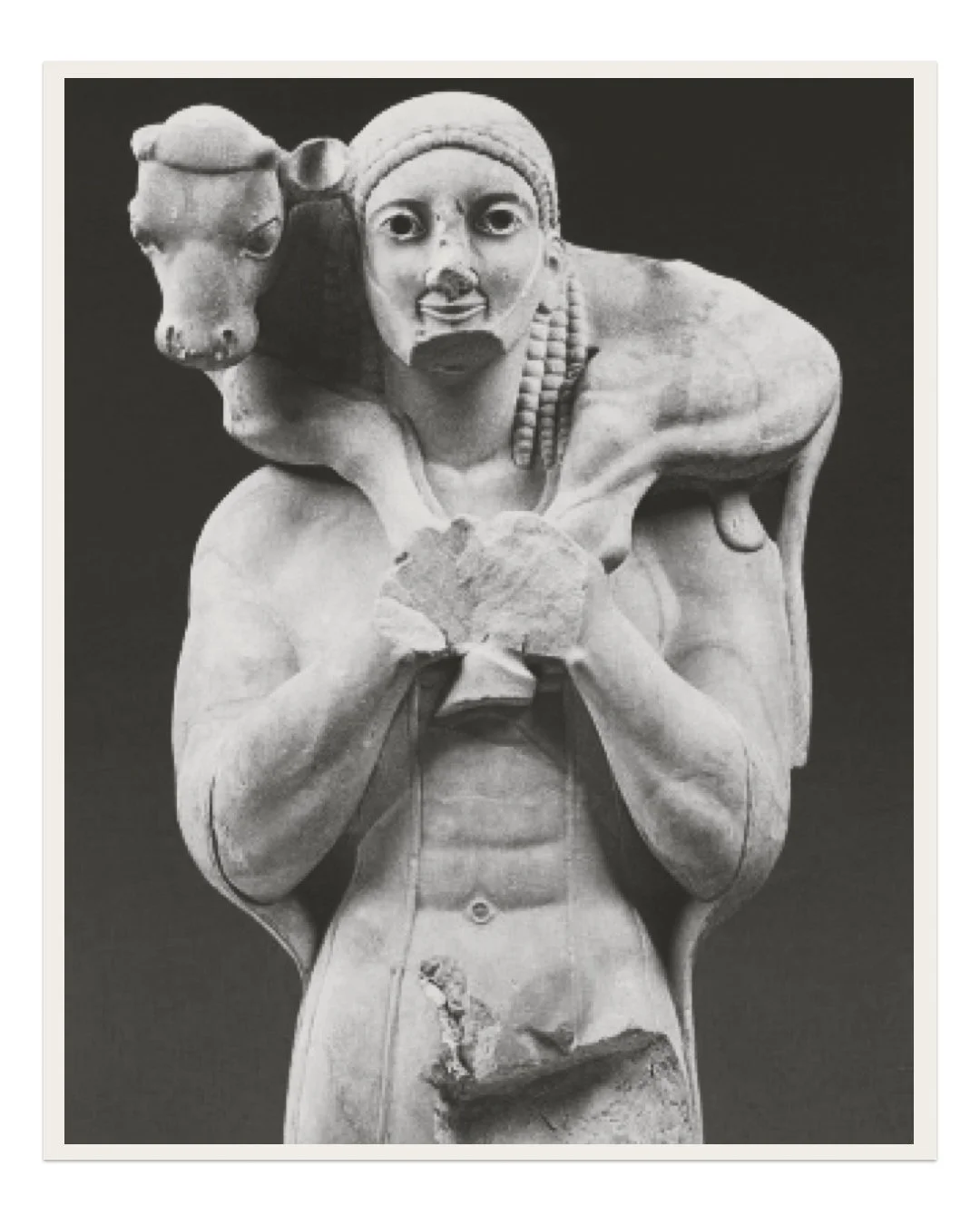
3. The Author's Era: The Archaic Period (8th Century BCE)
This is the era when Homer lived (or the poets who fixed the text). It is when Greece began to awaken from its "Dark Ages," invent a new alphabet, and rediscover maritime trade.
* Ships and Geography: Descriptions in The Odyssey regarding sea voyages, winds, and trade routes reflect the massive maritime expansion and colonization the Greeks began in the 8th century BCE.
* Iron Anachronisms: Although warriors fight with bronze, Homer occasionally slips into the present tense, using metaphors like "a heart of iron" or mentioning iron tools for agriculture—a metal not used that way during the Trojan War.
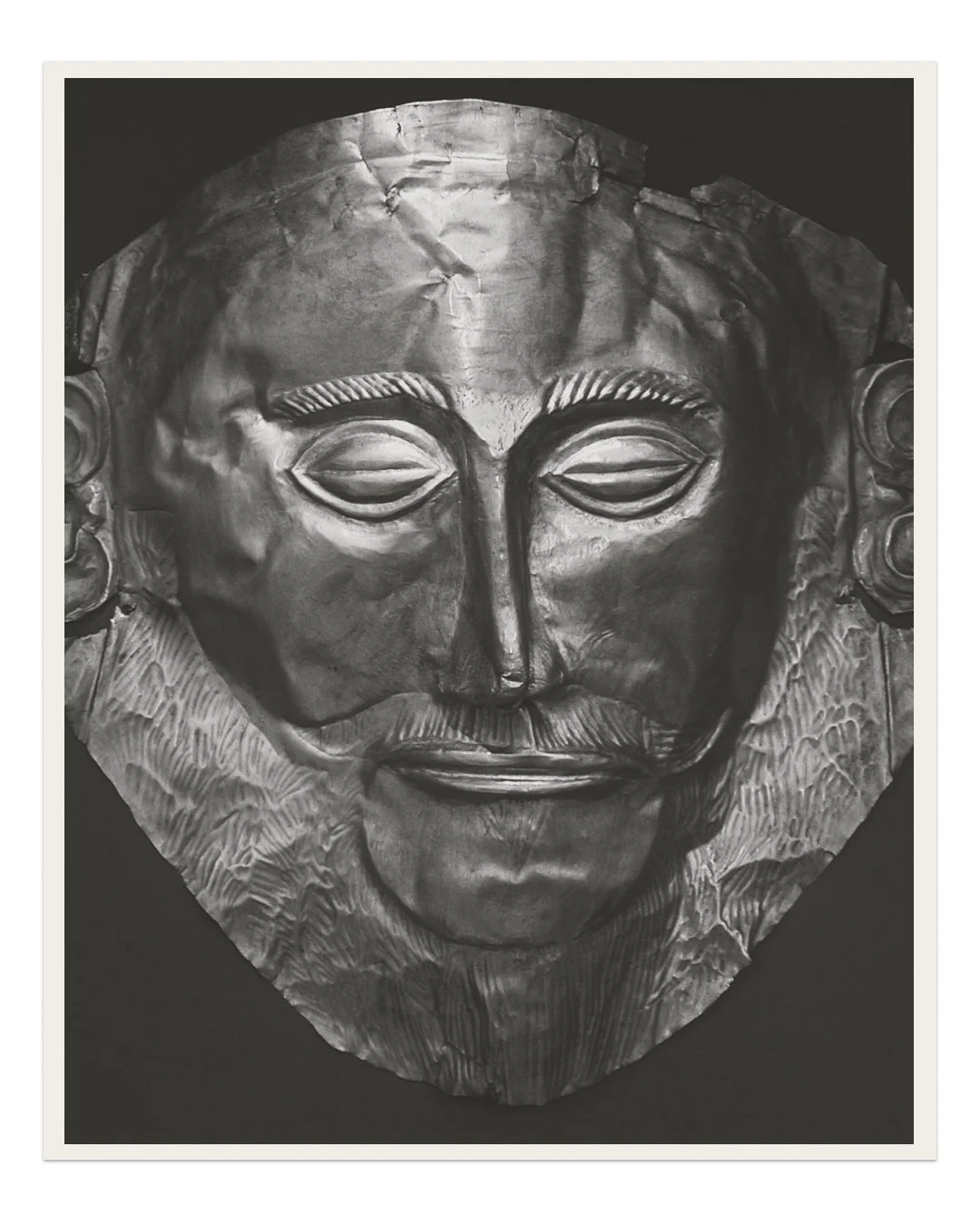
THE GAME OF THRONES OF THE CLASSICAL AGE
CHRONOLOGICAL ORDER OF ALL HISTORY, DRAMA, NOVELS, AND AUTHORS
1
CYPRIOT CANTOS
The Cypria (or Cyprian Cantos) detailed the "prequel" to the Trojan War. They explained the origin of the conflict from the very beginning, divided into three major moments:
1. Zeus's Plan and the Wedding of Peleus and Thetis
The poem began by explaining that Earth was overpopulated with humans. To ease the burden, the god Zeus decides to provoke a massive war to decimate humanity. To set his plan in motion, he organizes the wedding of Peleus and the goddess Thetis (the future parents of Achilles). All gods are invited except Eris (goddess of discord). Angered by the snub, Eris arrives invisibly and throws a golden apple into the middle of the banquet with the inscription: "To the fairest."
2. The Judgment of Paris
Three goddesses claim the apple: Hera (queen of the gods), Athena (goddess of wisdom), and Aphrodite (goddess of love). Unwilling to get involved, Zeus assigns the decision to Paris, a young Trojan prince working as a shepherd. To win, the goddesses try to bribe him:
* Hera offers political power over all of Asia.
* Athena offers wisdom and invincibility in battle.
* Aphrodite offers the love of the most beautiful mortal woman in the world: Helen. Paris, driven by desire, chooses Aphrodite. From that moment on, Hera and Athena vow to destroy Paris and his entire city (Troy).
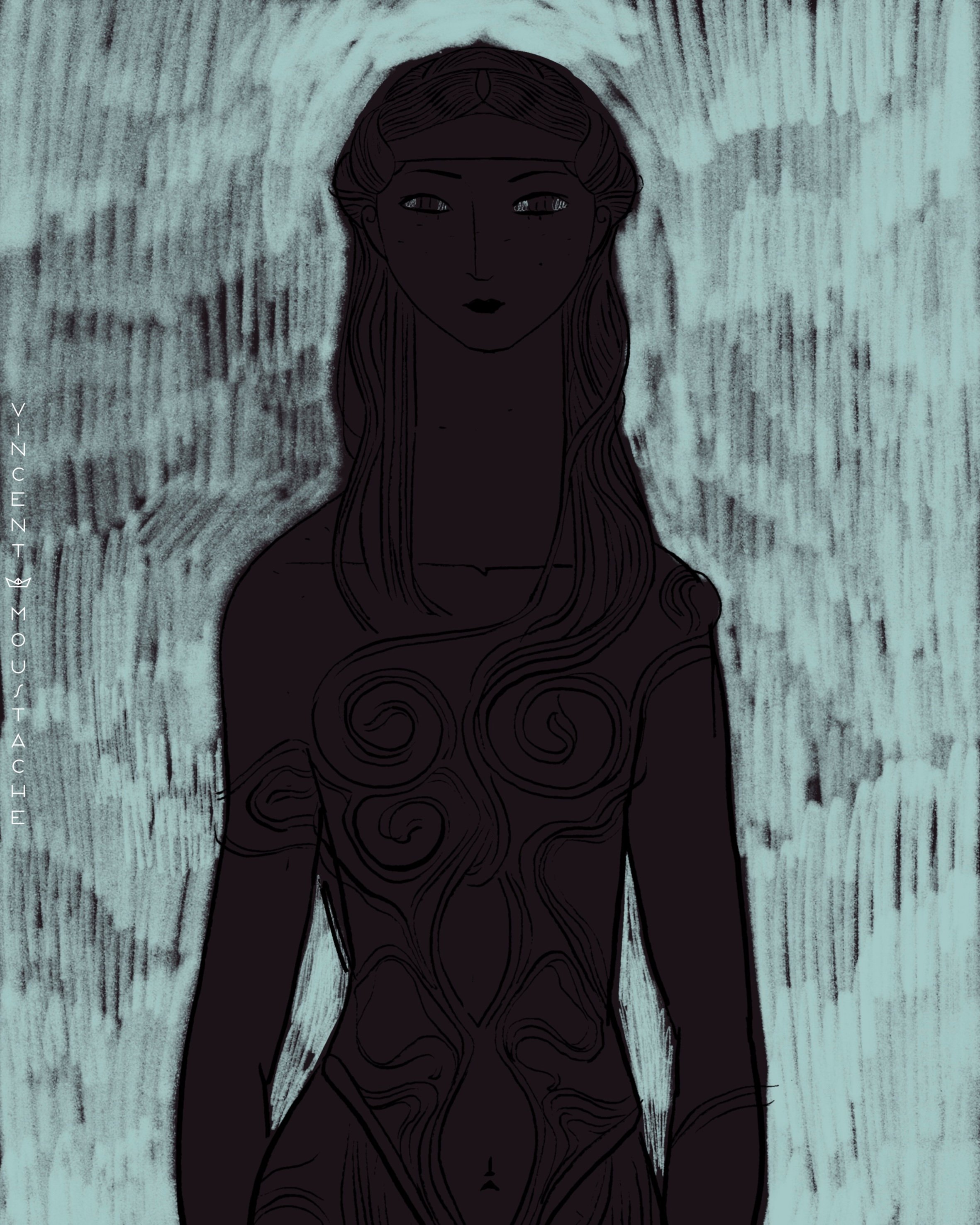
3. The Abduction of Helen and the Start of the War
Under Aphrodite's protection, Paris travels
to Sparta (Greece) on a diplomatic mission. There he is welcomed by King Menelaus and his wife Helen. Menelaus must leave for his grandfather's funeral, an opportunity Paris seizes to make Helen fall in love with him (aided by Aphrodite's powers) and convince her to flee with him to Troy, taking a large portion of the palace's wealth. Upon learning of the betrayal, Menelaus turns to his brother Agamemnon. Together they invoke an old oath forcing all Greek kings to defend Helen's marriage. The cantos concluded by recounting the assembly of the massive Greek fleet, the recruitment of heroes like Achilles and Odysseus, and the initial minor skirmishes upon arriving at the beaches of Troy. Right where the Cypria ended, the first verse of The Iliad began.
The Curious Case of Helen of Troy
Her kidnapping is never directly narrated in real-time in either book. By the time The Iliad starts, Helen has lived in Troy for nearly 10 years with Paris.
1. In The Iliad:
Remorse and Guilt She appears on the walls of Troy watching battles, feeling immense guilt. In Canto 3, King Priam treats her tenderly, and she reproaches Paris for cowardice compared to Menelaus.
2. In The Odyssey:
Return to Normalcy Appearing in Canto 4, Telemachus visits Sparta to find Helen and Menelaus living together again as if nothing happened, drugging wine to stop guests from weeping over war dead while swapping Trojan memories.
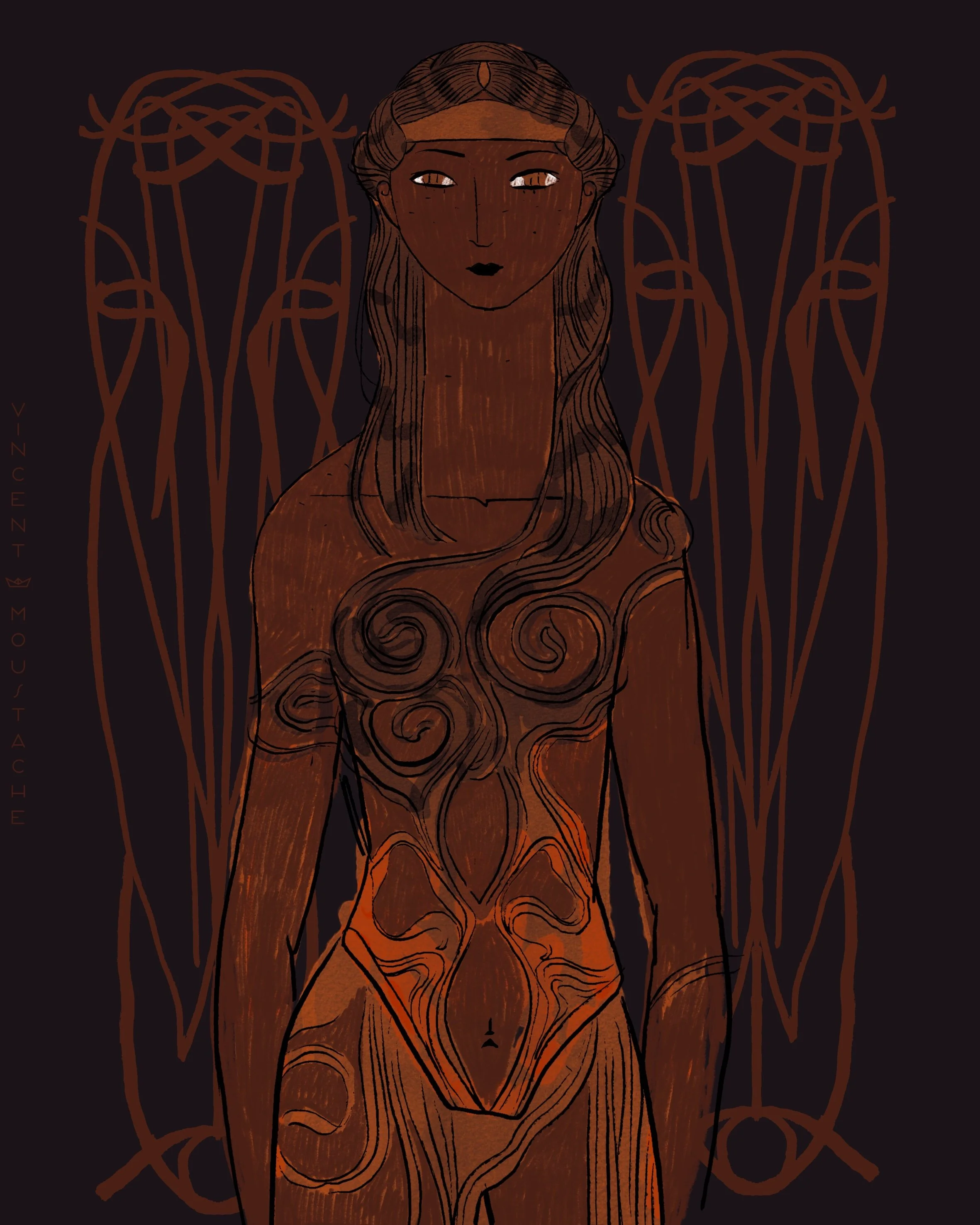
STASINUS OF CYPRUS
The authorship of the Cypria is one of ancient literature's greatest mysteries, as the original text was lost over two thousand years ago. In Ancient Greece, there was no copyright registry, leading to several theories about its writer:
1. The Official Attribution:
Stasinus of Cyprus Most ancient sources and modern historians attribute the poem to a semi-legendary poet named Stasinus. In fact, the book is called the Cypria precisely because its author hailed from Cyprus.
2. The Myth:
A Wedding Gift from Homer? A popular ancient legend claimed the true author was Homer, who allegedly wrote this poem about the war's origin and gave it to Stasinus as a dowry when Stasinus married Homer's daughter, allowing Stasinus to sell the book, keep the profits, and take the credit.
3. Ancient Historians' Opinions
Great thinkers like Herodotus (the father of history) analyzed the cantos in the 5th century BCE and flatly stated they were not Homer's. Herodotus noted contradictions; for example, the cantos stated Paris and Helen reached Troy in just three days on calm seas, whereas Homer describes detours and getting lost. 👥 Historical Reality: Today, experts believe these cantos originated from oral tradition—stories poets sang from town to town, composed in the 7th century BCE (slightly after The Iliad). Someone, likely Stasinus, decided to collect and write them down as a prequel.
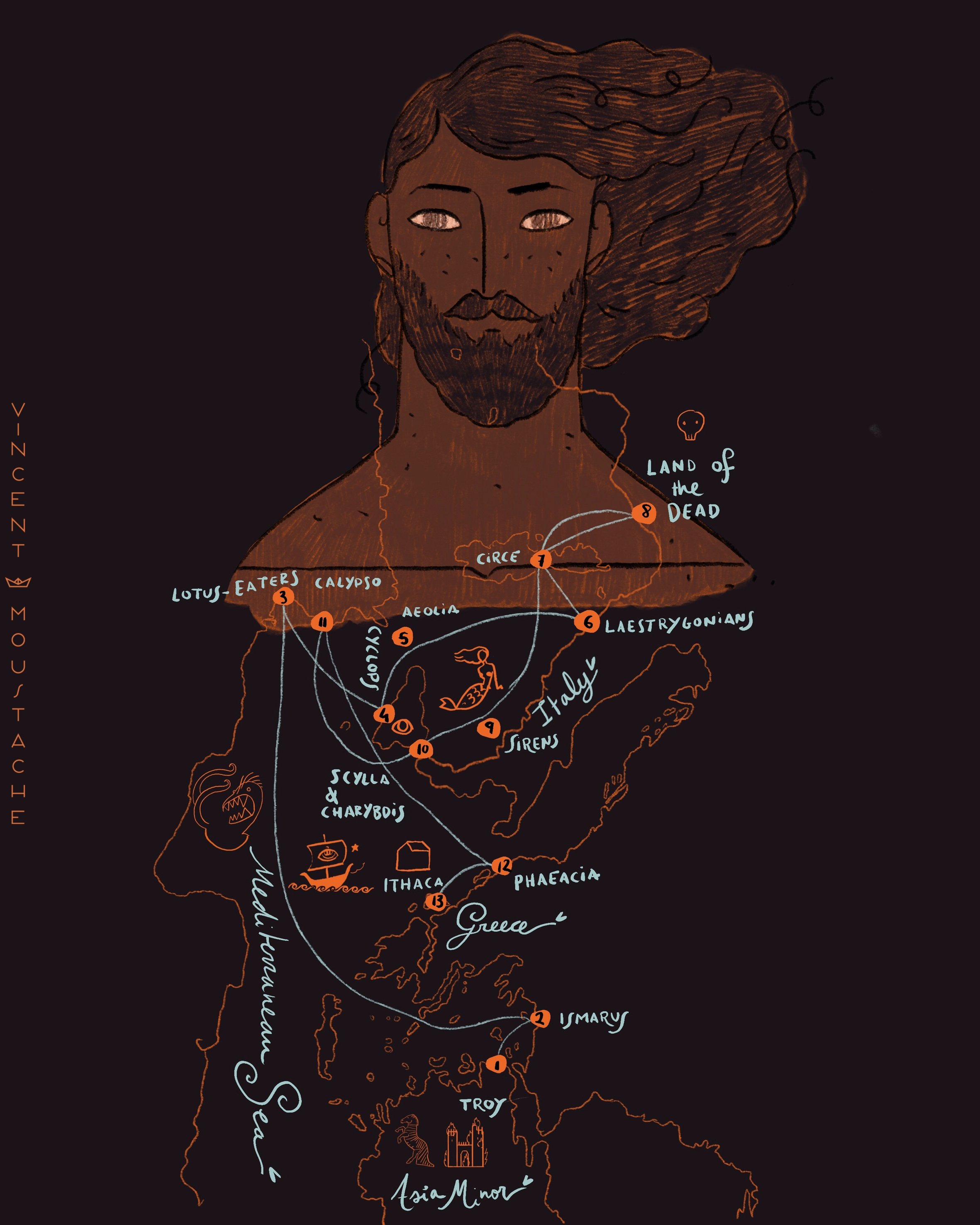
ILIAD AND ODYSSEY
They are not the same, though closely related. Both are epics (grand epic poems) of Ancient Greece attributed to Homer, but they tell completely different stories. Simply put: The Iliad is a story of war, and The Odyssey is a story of travel.
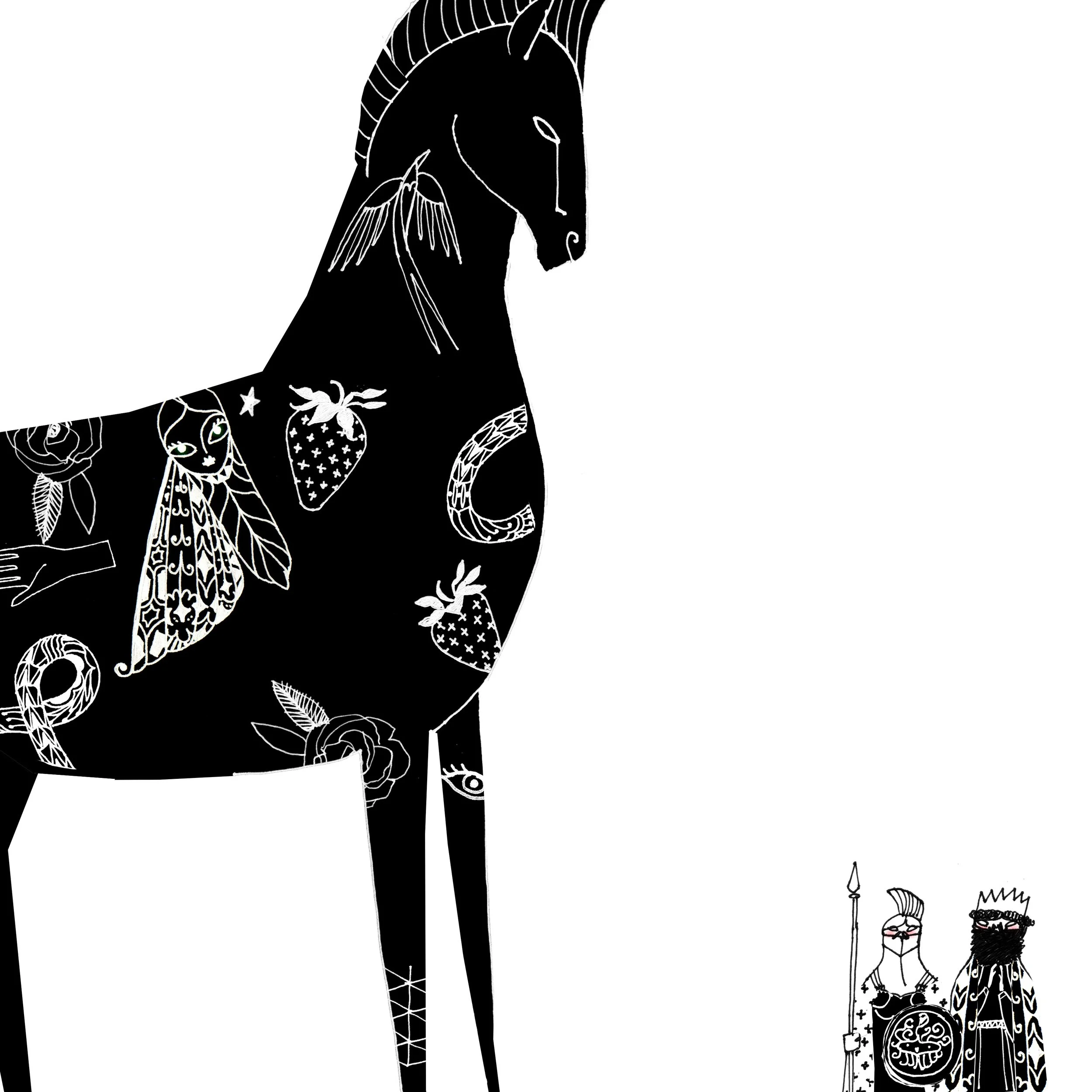
The Iliad (The War)
* What it's about: Focuses on the final months of the Trojan War. The main plot revolves around the wrath of Achilles (the greatest Greek warrior), who quarrels with leader Agamemnon, refuses to fight, and nearly leads the Greeks to defeat.
* Tone: Bloody, tragic, and heroic. It deals with pride, combat glory, and destiny. The Greek camp outside the walls of Troy.
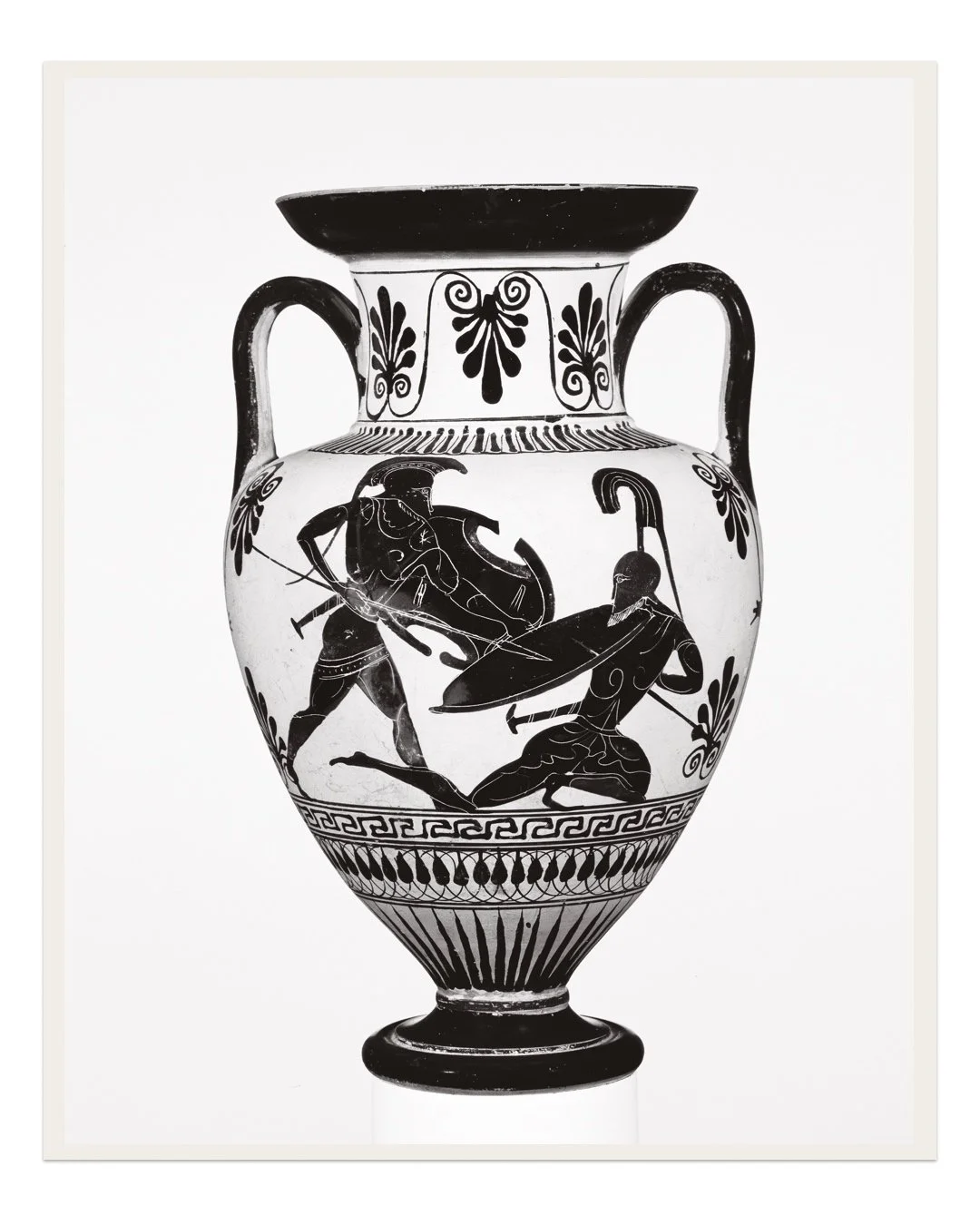
⚔️ Summary of The Iliad
Takes place over a few weeks in the final year of the Trojan War. Structure: Loss, Tragedy, Revenge.
* Block 1: Achilles' Tantrum (Cantos 1–8): Agamemnon steals Achilles' slave girl. Offended, Achilles withdraws from battle and asks the gods to help the Trojans make Agamemnon suffer. Greeks begin losing ground.
* Block 2: The Death of Patroclus (Cantos 9–17): Trojans threaten Greek ships. Patroclus (Achilles' close friend/lover) begs to fight, wearing Achilles' armor to strike fear, but is killed by Hector.
* Block 3: Achilles' Fury and Vengeance (Cantos 18–24): Consumed by grief and guilt, Achilles returns to kill Hector in a brutal duel and drags his corpse. The book ends movingly when elderly Trojan King Priam secretly begs Achilles for his son's body for a proper burial.
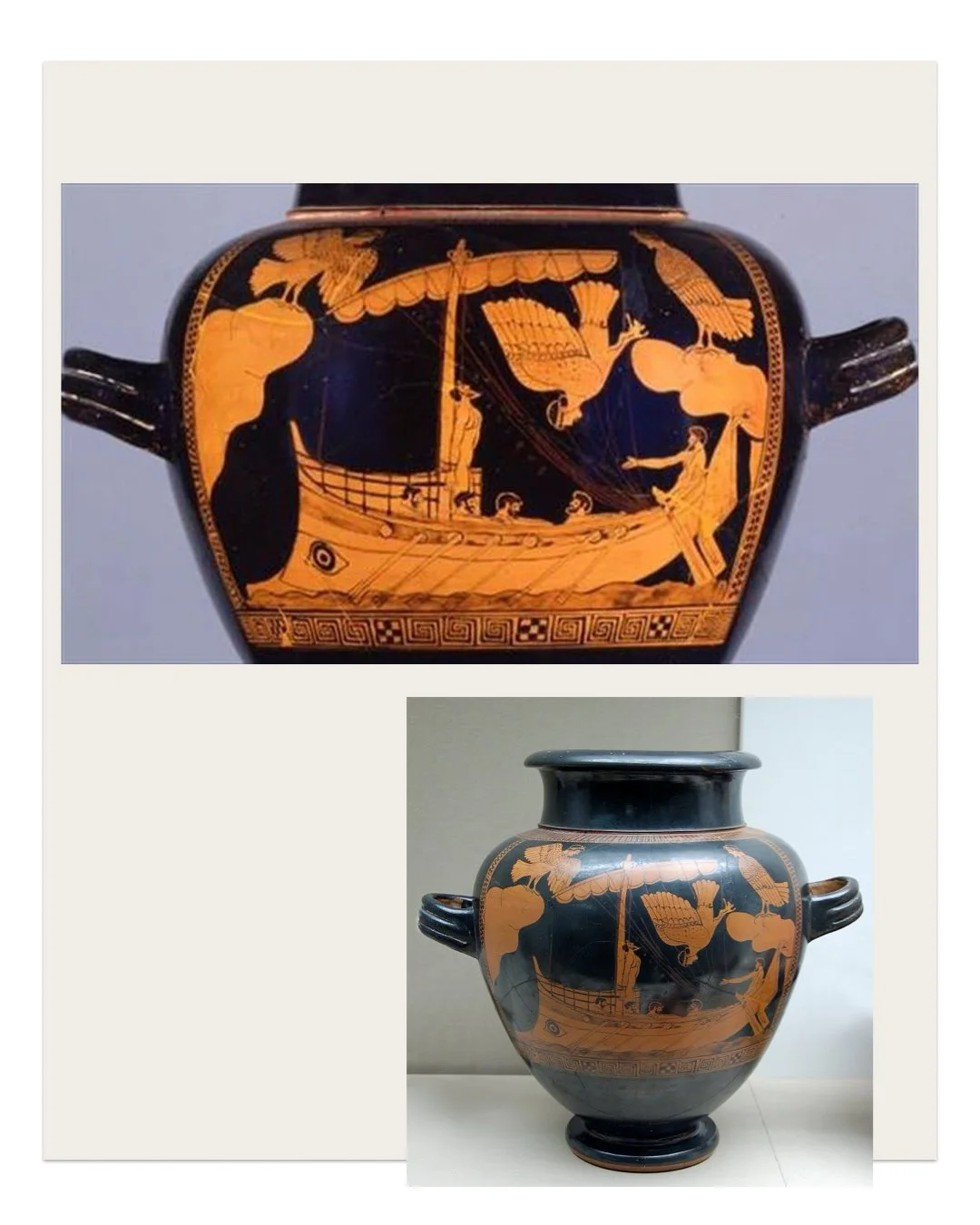
The Odyssey (The Journey Home)
* What it's about: Chronicles Odysseus's perilous 10-year journey back to Ithaca after the Trojan War, plagued by divine obstacles. Meanwhile, his wife Penelope must fend off suitors vying for her hand and the throne.
* Tone: Adventure, fantasy, and cunning. Features monsters like the Cyclopes, sirens, and witches turning men into pigs.
* Setting: The Mediterranean Sea and fantastic islands.
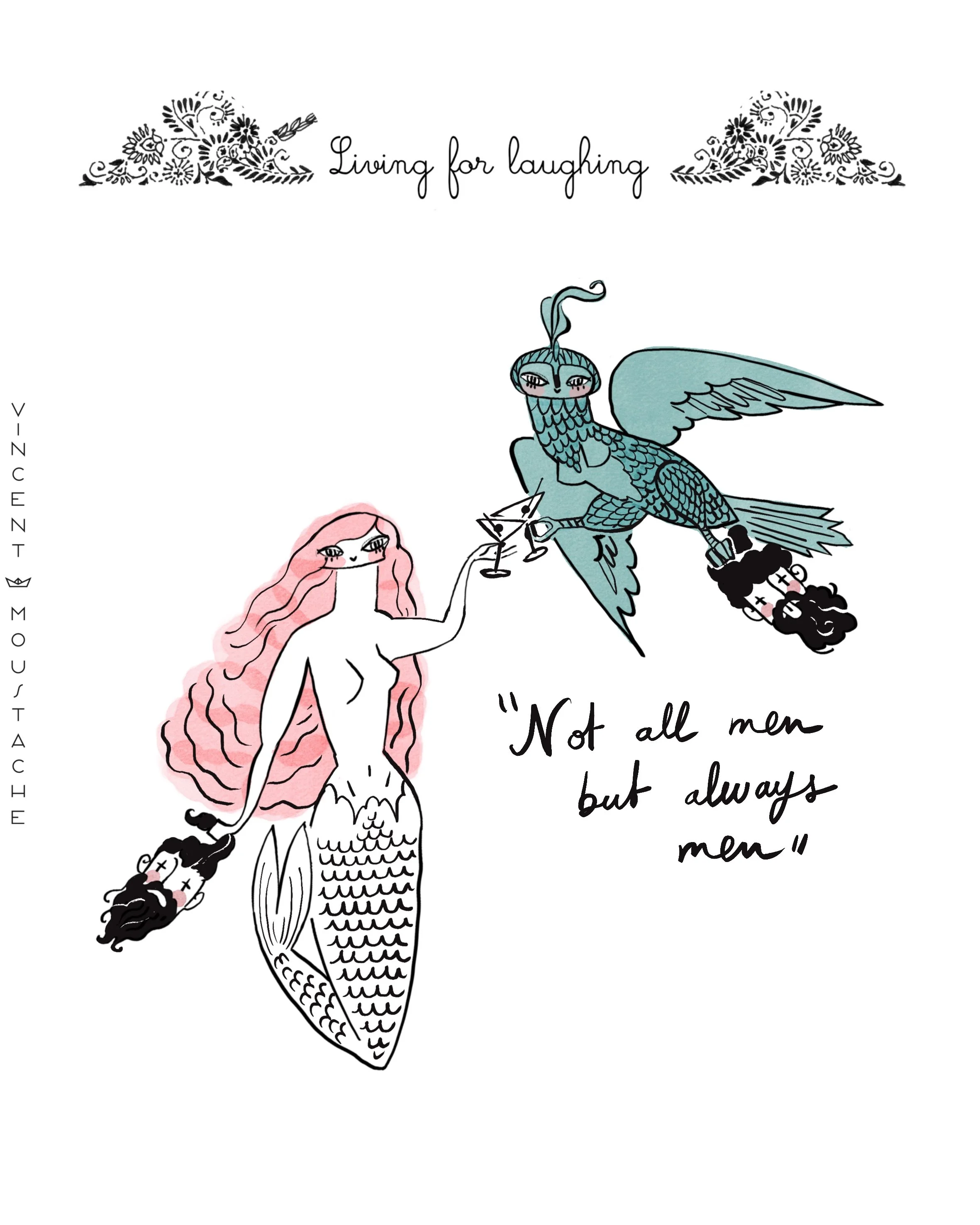
⛵ Summary of The Odyssey
Non-chronological structure; begins near the end of the journey, with Odysseus recounting past adventures via a long flashback.
* Block 1: The Telemachy (Cantos 1–4): Focuses on his son Telemachus in Ithaca, where suitors occupy the palace pressuring Penelope, as Telemachus travels searching for news of his father.
* Block 2: The Journey and Monsters (Cantos 5–12): Odysseus is trapped by Calypso, shipwrecks, and reaches the Phaeacians, recounting his past exploits: blinding Polyphemus the Cyclope, Circe's magic, the Sirens, and the Underworld.
* Block 3: The Return and Slaughter (Cantos 13–24): Aided by Phaeacians, Athena disguises Odysseus as a beggar in Ithaca. Penelope organizes an archery contest using Odysseus's old bow; disguised Odysseus wins, reveals his identity, slaughters the suitors in the main hall, and reclaims his family and throne.
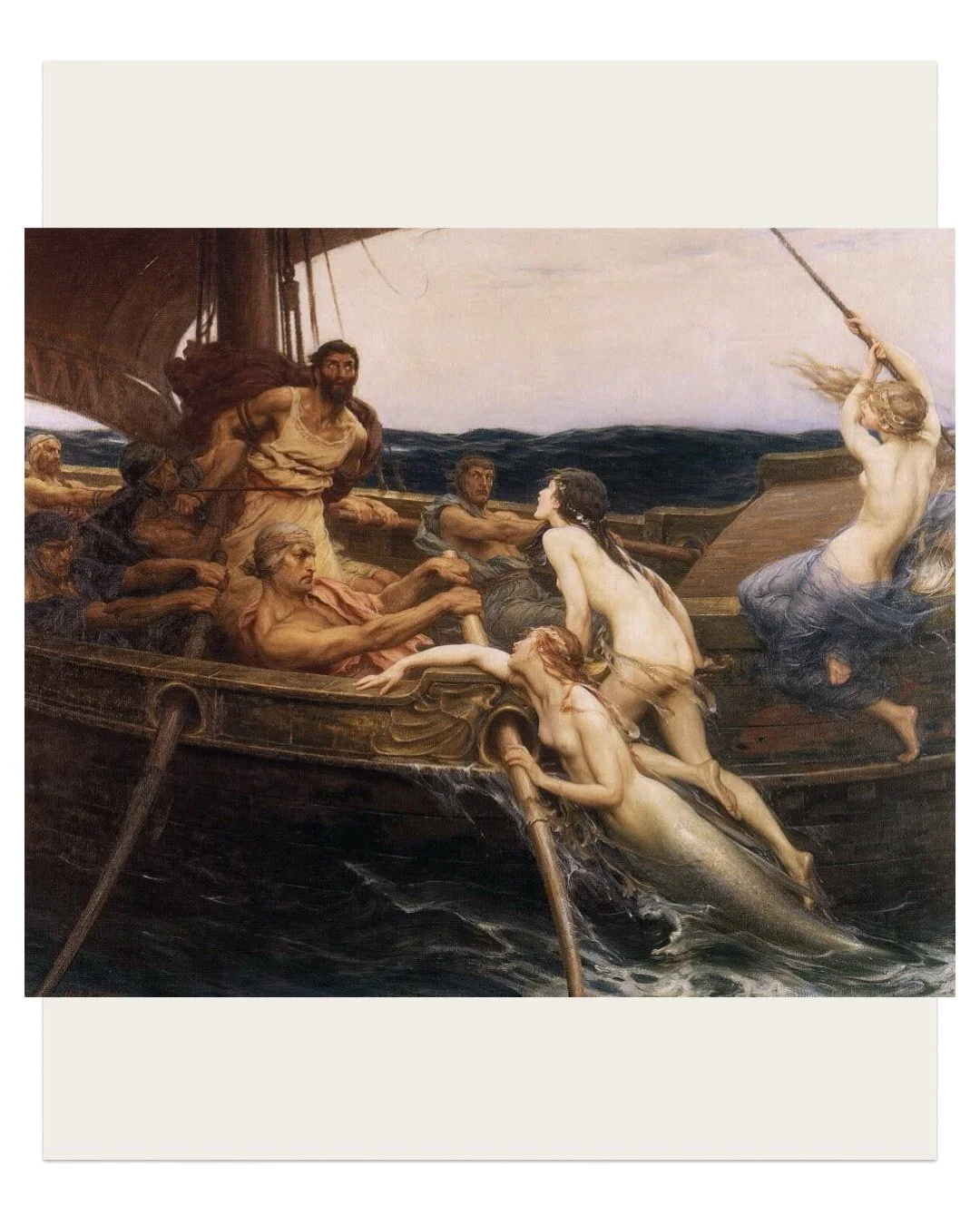
HOMER
The short and honest answer is: no one knows with absolute certainty. This is one of literature's most passionate debates, officially known as the Homer Question.
1. Why Attribute It to Him?
(Tradition) Ancient 5th-century BCE Greeks viewed Homer's existence as absolute truth, cited by Plato, Aristotle, and Herodotus, cementing his name in popular culture.
2. The Plot Twist
Experts' Doubts In the 18th century, historians analyzed texts closely:
* Style Differences: The Iliad uses archaic, militaristic, tragic language focused on honor; The Odyssey feels modern, psychological, adventure-oriented, with complex female roles.
* Contradictions: Bronze Age weapons in The Iliad versus Iron Age tools in The Odyssey.
3. The Current Theory
Who Was Homer Really? Most philologists agree on an intermediate theory: both stories stem from oral tradition. Bards (aedos) traveled singing Trojan War feats using rhymes and repetitive formulas. Around the 8th century BCE, Greeks adopted the Phoenician alphabet to write them down. Homer was likely a brilliant poet (or a group of poets) who unified these scattered chants into brilliant dramatic structures.
Conclusion: Homer may not have invented Troy from scratch, but he was the architect who built Western literature's two greatest edifices from oral bricks.
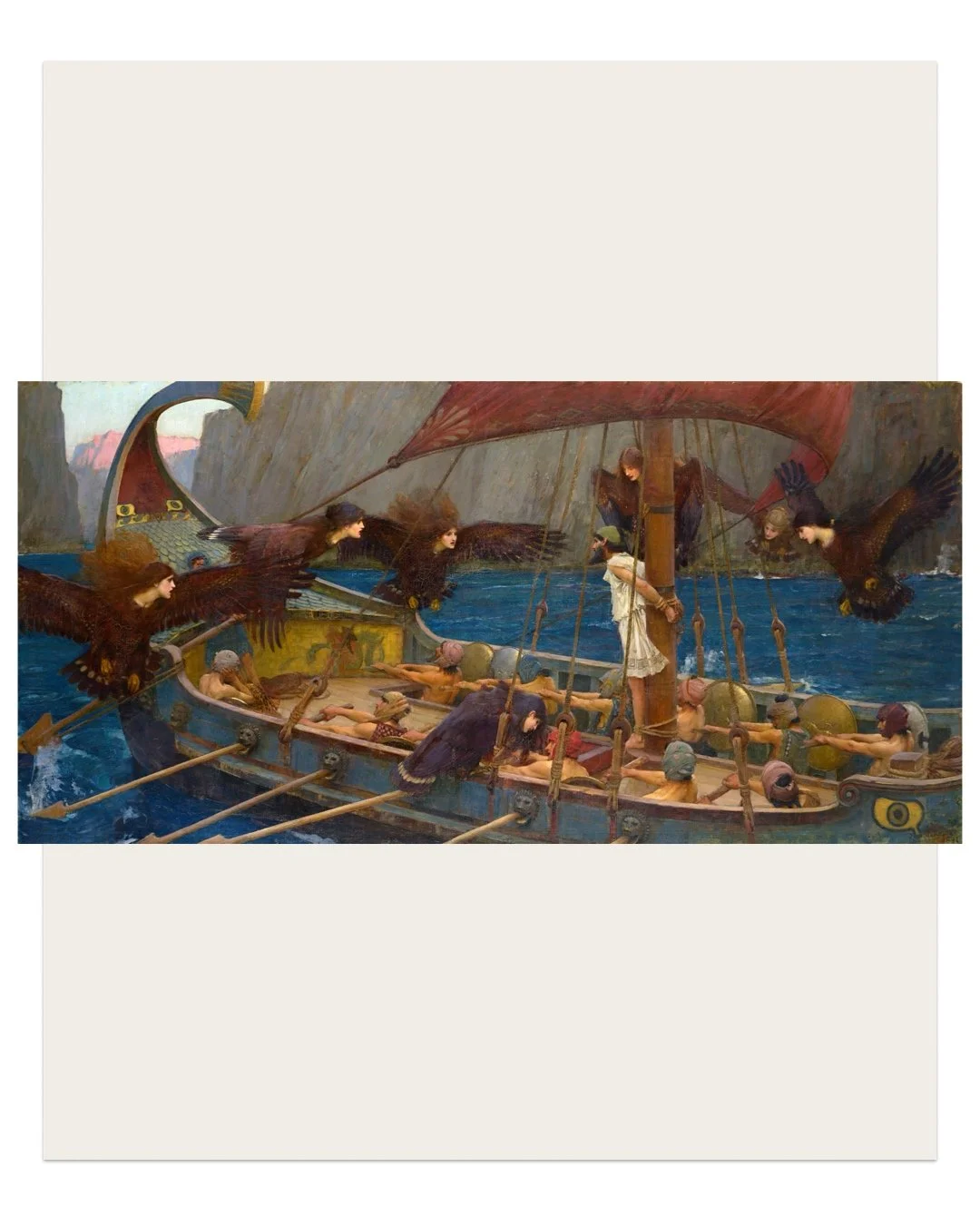
EMILY WILSON'S TRANSLATION
Wilson's work proved a 3,000-year-old work could connect with mass audiences without losing academic rigor. Her 2017 translation of The Odyssey (published by W. W. Norton) marked a cultural milestone by stripping centuries of bias.
1. Why Is This Translation Famous?
* First Woman to Translate It into English: Millennia passed before a woman translated the complete work into English.
* Respect for Original Structure: Translated all 24 cantos maintaining the exact 12,110 lines of the original Greek text line-by-line using iambic pentameter.
* Direct, Agile Language: Eliminated heavy, grandiose Victorian tones for fresh, clear language.
* Odysseus is "Complicated": Instead of solemn terms for polytropos, Wilson brilliantly opens with: "Tell me about a complicated man..."
2. Women's Representation and Role
* From "Maids" to "Slaves": Wilson openly uses "slaves" instead of euphemistic terms like handmaidens, reminding modern readers that these women were royal property.
* Removal of Misogynistic Slurs: In the scene where Telemachus hangs unfaithful palace women, Victorian translators added slurs like "whores/sluts." Wilson proved the Greek text lacked sexual shame slurs, translating it as "girls," highlighting patriarchal brutality rather than "deserved punishment."
* Agency for Penelope, Circe, and Calypso: Female figures step past stereotypes into strategic negotiators of survival in a violent male-dominated world ("Patient Penelope" becomes "Steadfast Penelope").
EMILY WILSON'S CONTRIBUTION TO CHRISTOPHER NOLAN'S ODYSSEY
Nolan stated in interviews that the phrase making him understand the character and direct the film was the opening line of Wilson's translation:
"Tell me about a complicated man..."
Rejecting a perfect military hero in favor of a morally gray, flawed, cunning strategist aligned with his protagonists in Oppenheimer, Inception, or The Dark Knight. Wilson's conceptual foundation redefined the Homeric hero for contemporary cinema.
OTHER CINEMATIC ADAPTATIONS
* Ulisse (1954) – Mario Camerini
* Helen of Troy (1956) – Robert Wise
* Iphigenia (1977) – Michael Cacoyannis
* O Brother, Where Art Thou? (2000) – Joel and Ethan Coen
* Troy (2004) – Wolfgang Petersen
* The Return (2024) – Uberto Pasolini