EXPO: Cartes Imaginaires. Inventer des Mondes. BNF .
« Cartes Imaginaires. Inventer des Mondes ». BNF . Paris . 24 march - 19 July 2026
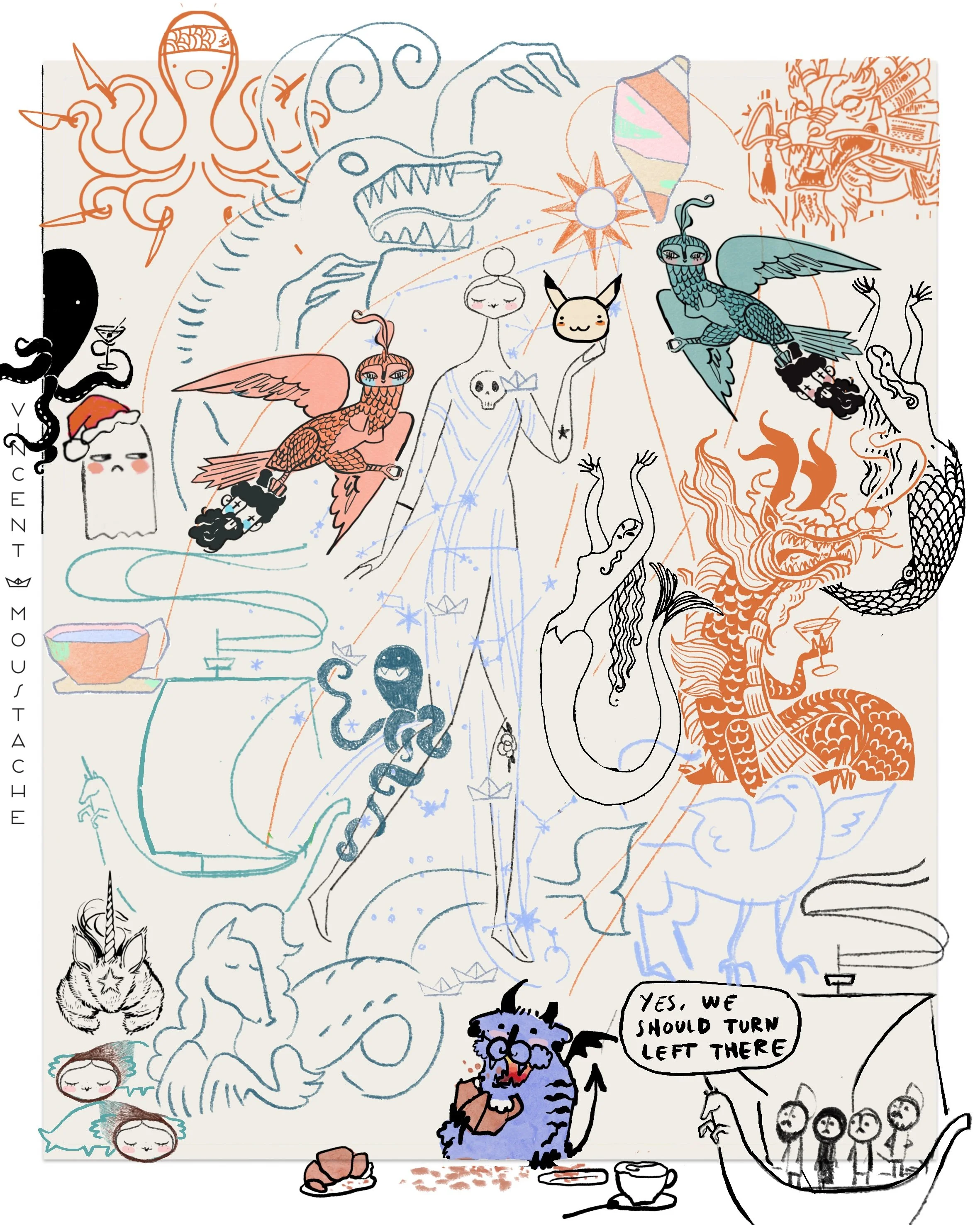
1. Mondes inexplorés (Unexplored Worlds)
* Concept: Explores how early maps combined geographical knowledge with myth at the frontiers of the unknown.
* Content: On the margins of medieval and Renaissance maps, fantastical creatures, sea monsters, and legendary Roman or religious figures appeared. As scientific exploration advanced in the 18th century, these beings and empty spaces gradually disappeared from cartography.
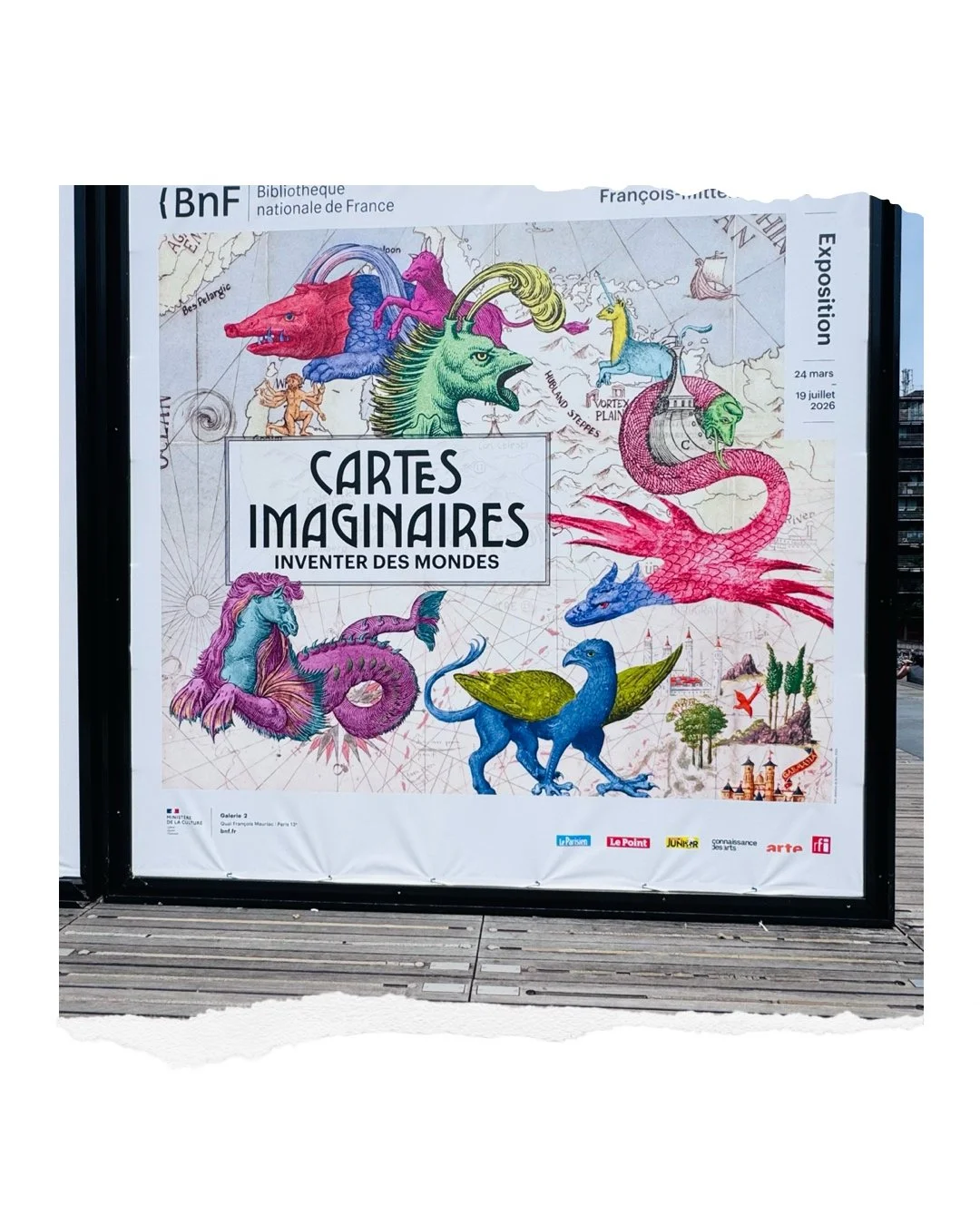
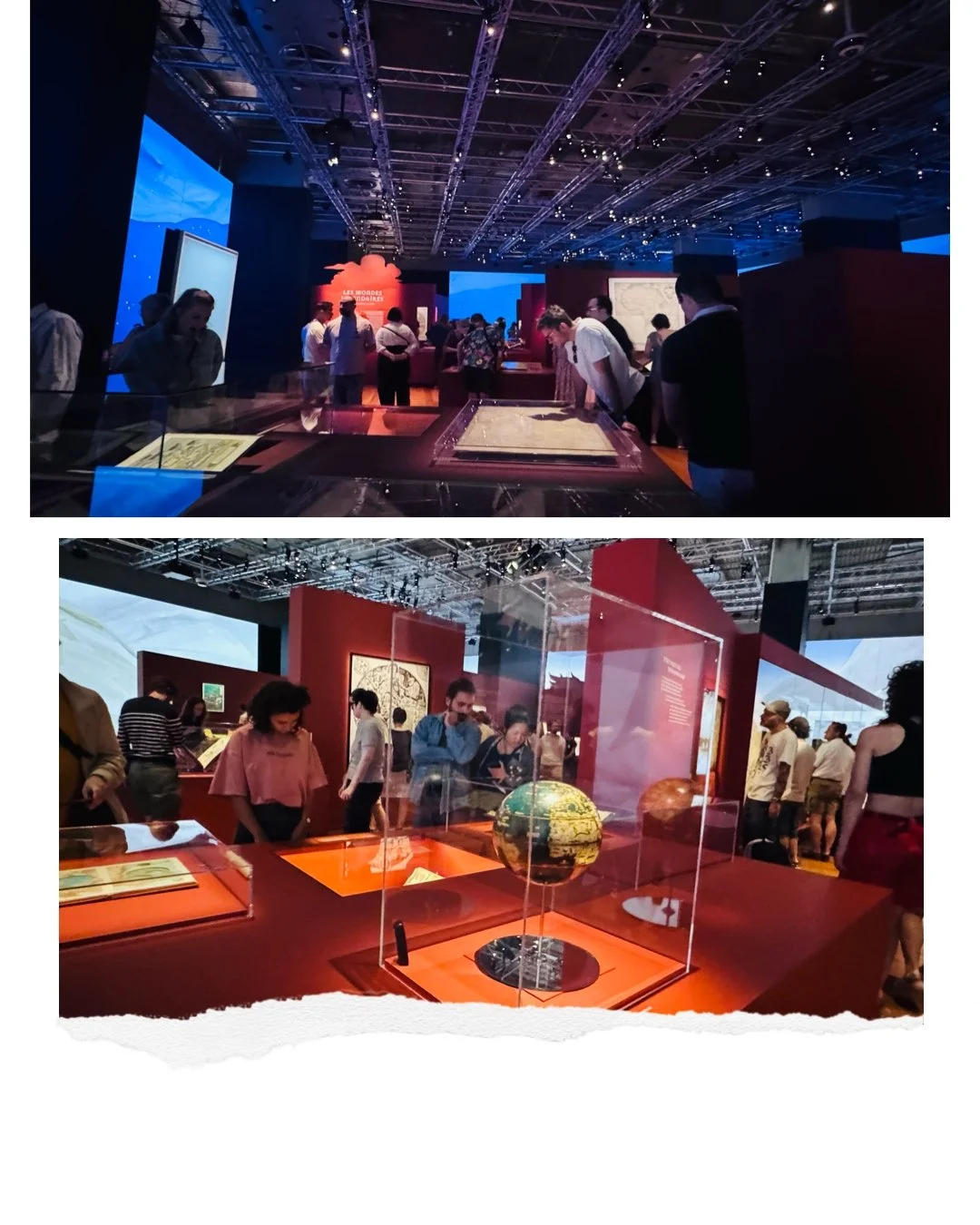
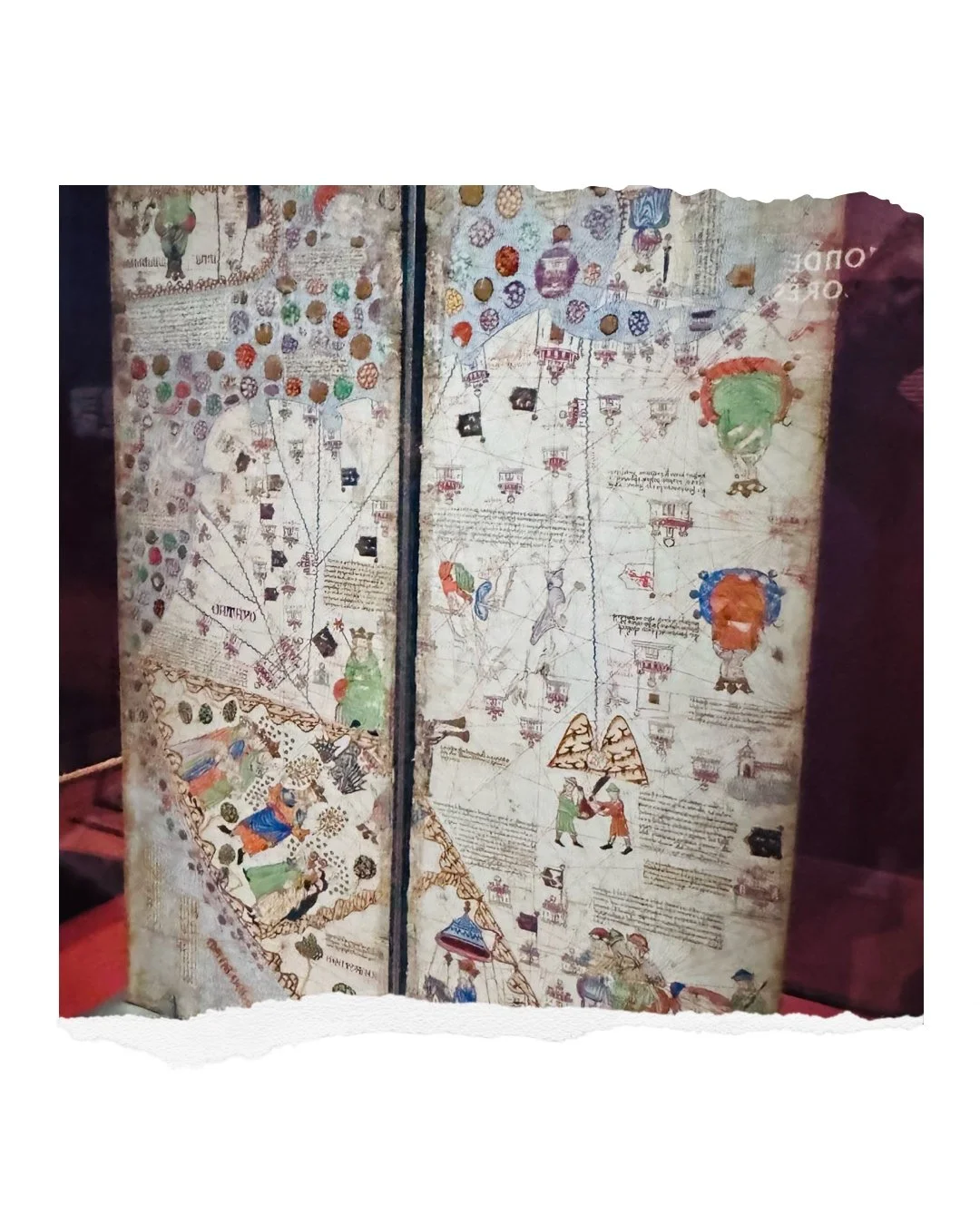
THE UNKNOWN AS PART OF THE KNOWN MAP
The contradiction is set: maps that serve to explain exactly what the world is like and how to navigate it actually begin with imagination. When Renaissance explorers drew maps of the world, they included imagination and the unknown in their maps as part of reality itself. Monsters served to mark dangers, and the unknown was just that—unknown. Surely, before reaching America, many navigators knew of its existence, but they likely lacked the resources and sufficient knowledge to draw it and make it known to the Western world.
2. Mondes légendaires (Legendary Worlds)
* Concept: Focuses on imaginary places that humanity believed to be real for centuries and attempted to assign geographical coordinates to.
* Content: Includes the mapping of Atlantis, the golden city of El Dorado, the mythical kingdom of Prester John, and the physical location of the Earthly Paradise. It also features non-Western universal representations, such as the Buddhist map of Mount Meru.
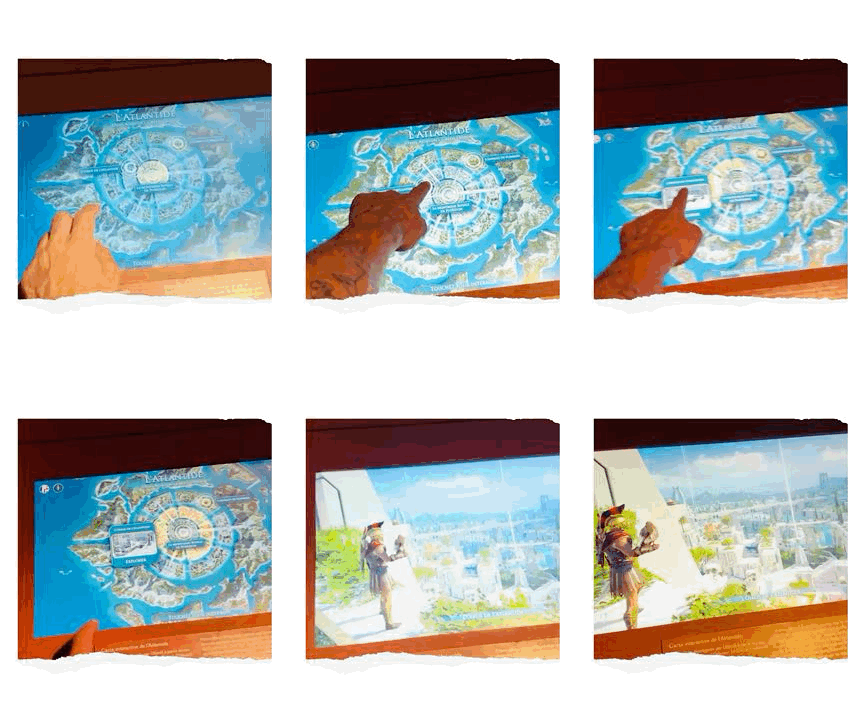
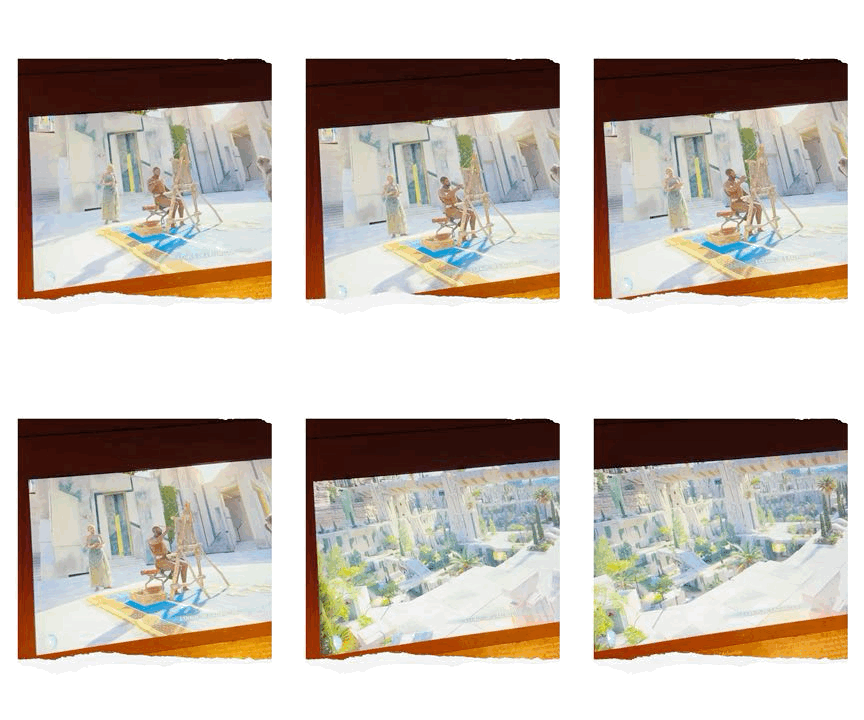
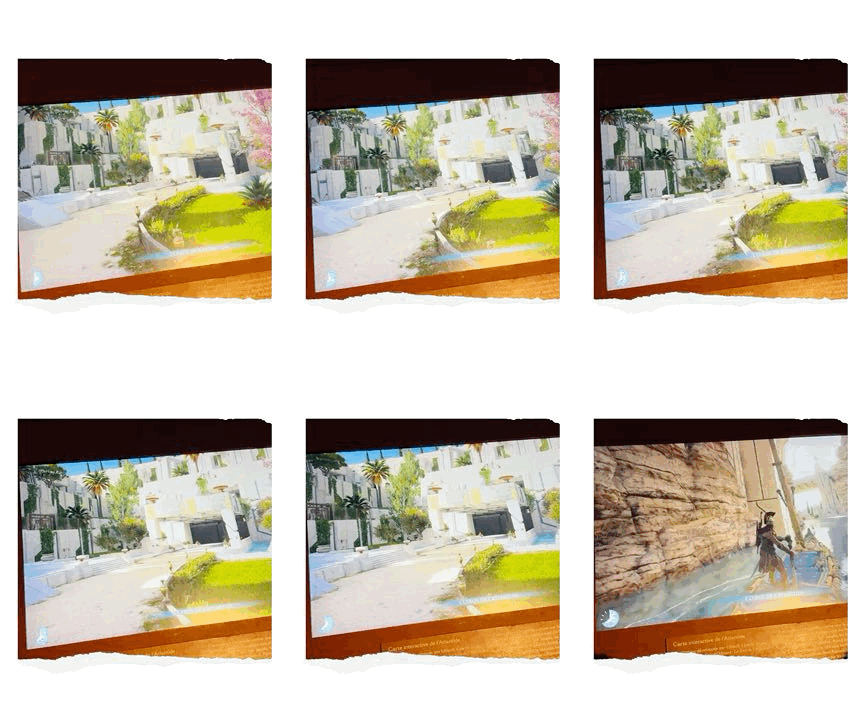
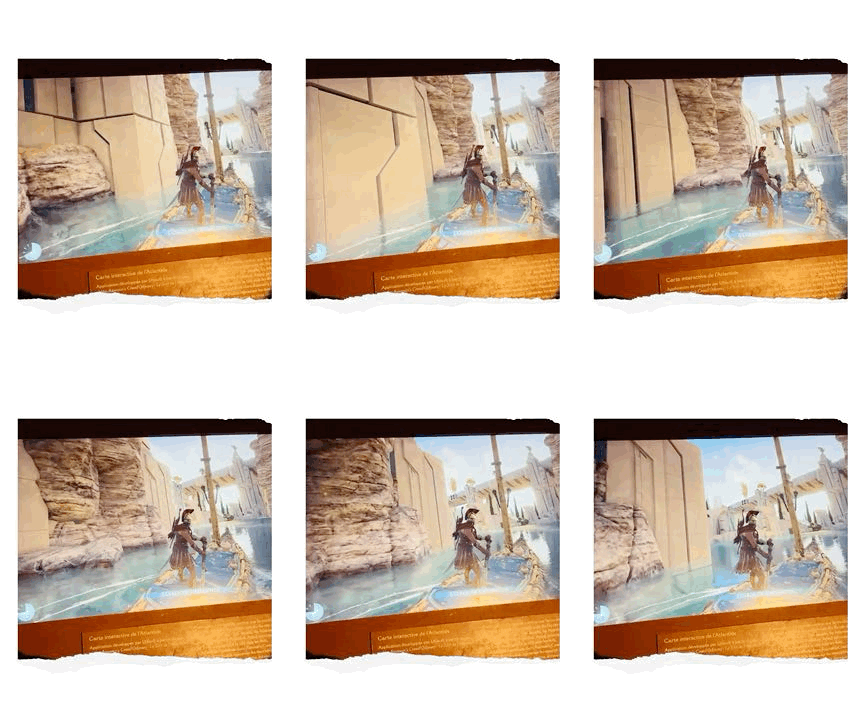
ATLANTIS
The Atlanteans defied the gods, and as punishment, their civilization was submerged into the sea. Whether myth or reality, we have no recorded evidence of any kind regarding this civilization. Imagination allows us to reconstruct and picture its cities, technology, and inhabitants. At this exhibition, we were able to visit the city of Atlantis thanks to its reconstruction in the video game Assassin's Creed Odyssey – The Fate of Atlantis (2019)
3. Mondes inventés / littéraires (Invented / Literary Worlds)
* Concept: Marks the shift toward pure fiction, where maps serve to give credibility and visual identity to narrative worlds.
* Content: Ranges from literary classics to contemporary storytelling and pop culture:
* Thomas More's Utopia and Madeleine de Scudéry's Carte de Tendre (map of emotions).
* Adventure novels like Stevenson's Treasure Island.
* Modern fantasy worlds such as Narnia, the map of Westeros from Game of Thrones, manga/anime universes, and video game franchises like Final Fantasy or Assassin's Creed.
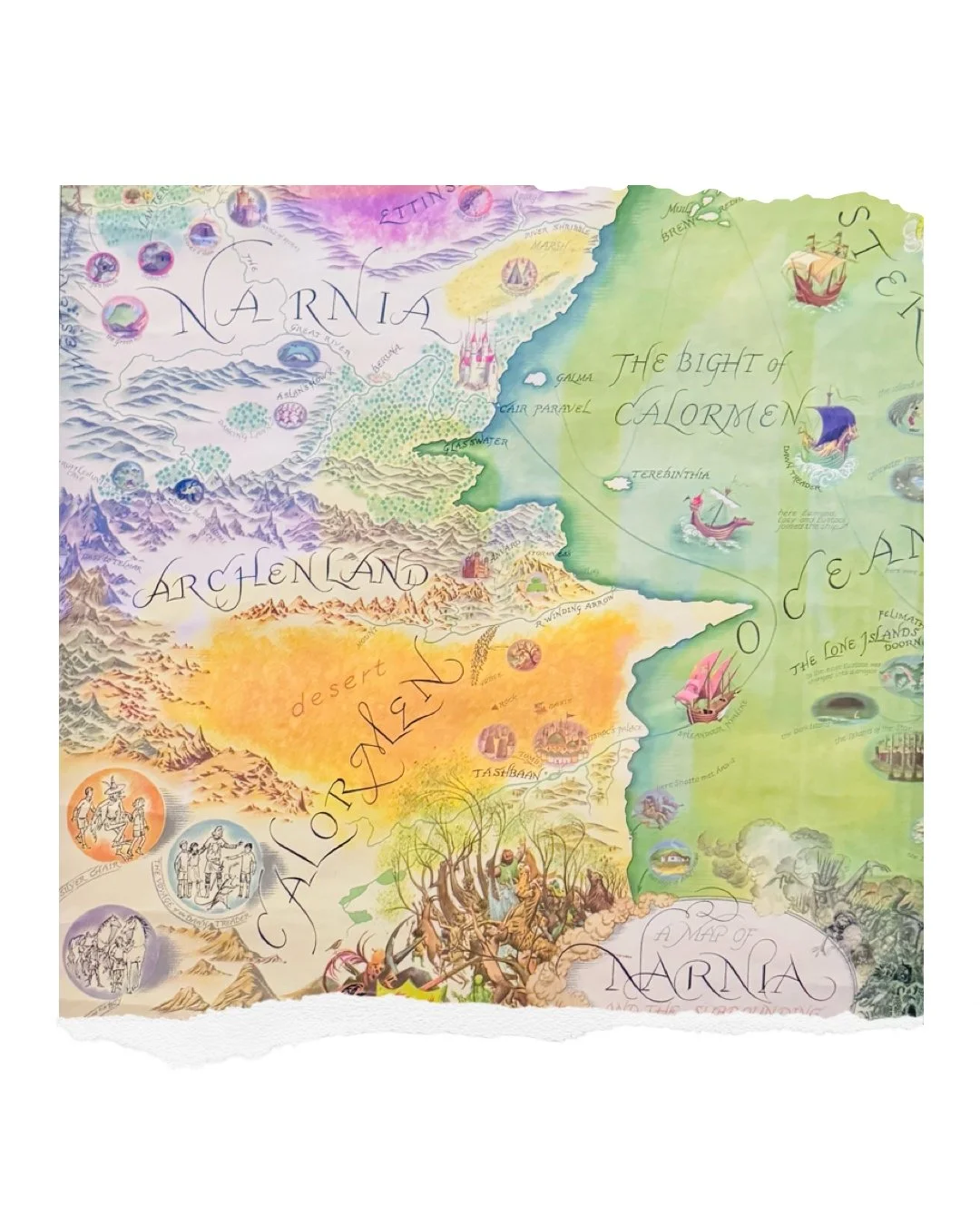
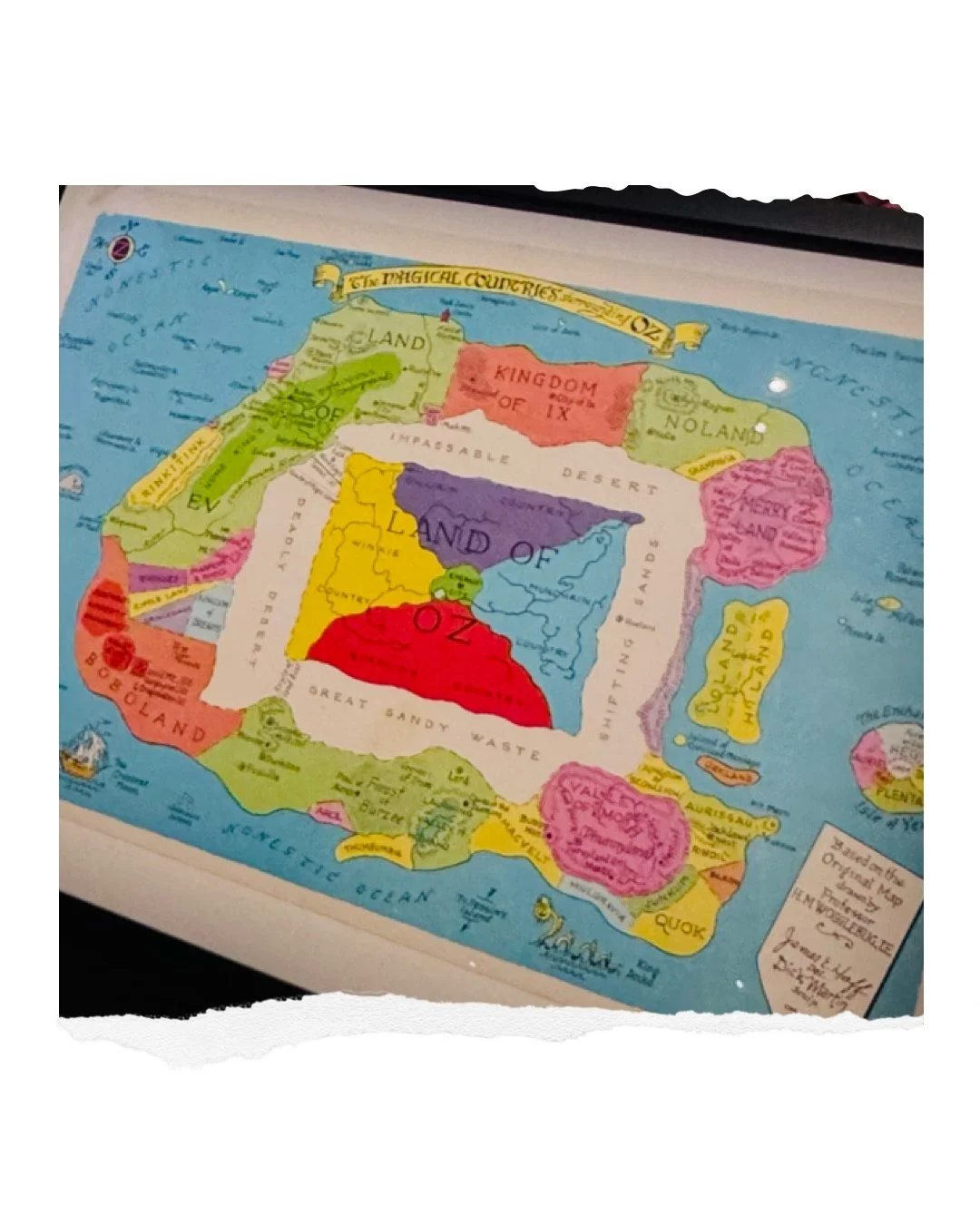
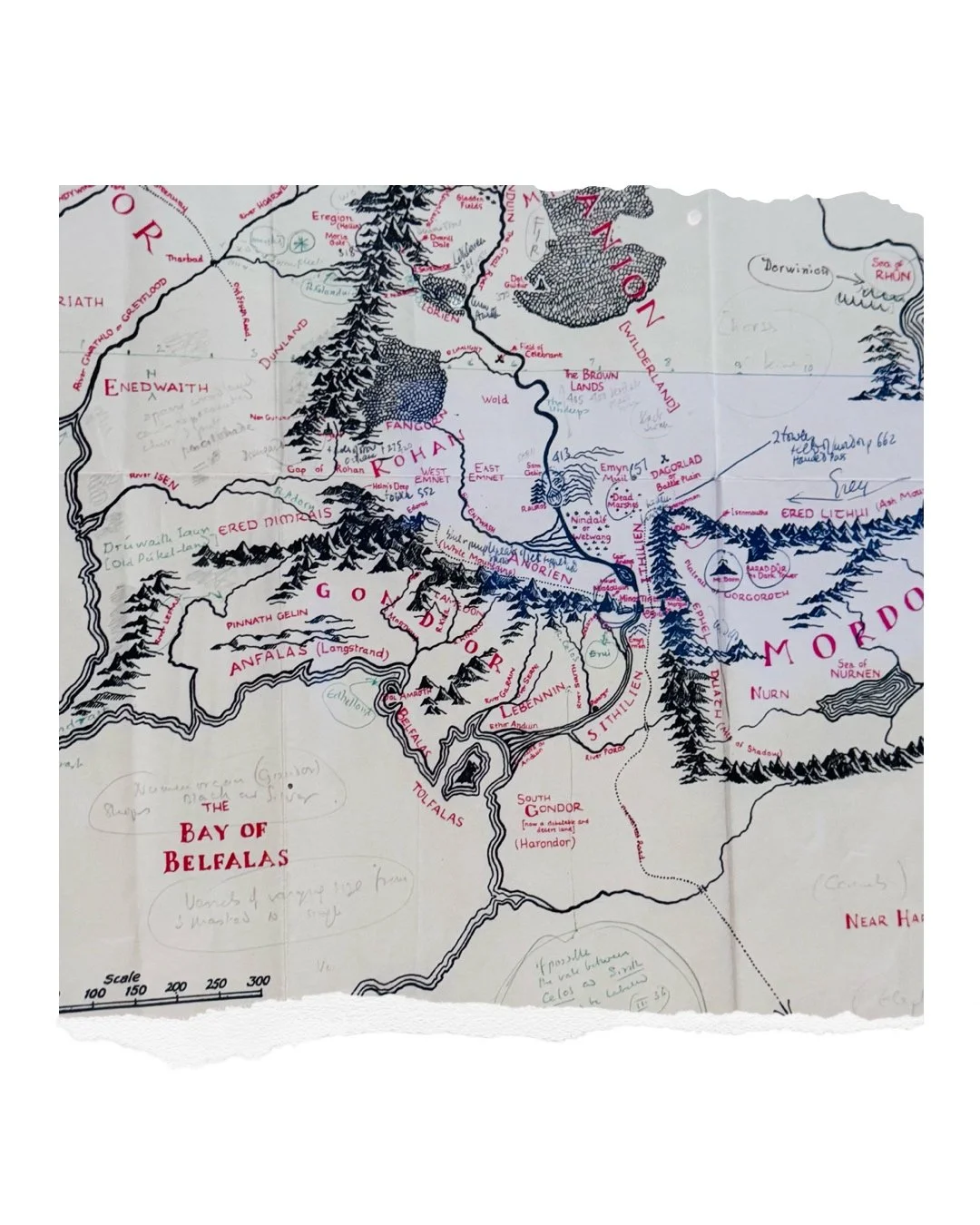
FICTION NEEDS MAPS TO LIVE IN. NOVEL AND VIDEO GAME MAPS
Fiction needs places to inhabit. Writers often need to build maps, just as J. R. R. Tolkien did for The Lord of the Rings universe. This map is the spark and catalyst of the plot; characters get lost and find each other within its geography, where the ultimate conflict is simply reaching the end of the road. The same happens in The Wonderful Wizard of Oz: the characters want to meet the wizard who can change their lives, and to do so, they follow the yellow brick road all the way to the Emerald City, traveling across the geography of the Land of Oz. This book was so successful that the author had to add other countries and geographies surrounding the empty desert so his characters would have more places to live out their adventures and expand the universe.
4. Cartographier l'imaginaire / L'art et la carte (Mapping the Imaginary / Art and the Map)
* Concept: Analyzes cartography as a medium for artistic and conceptual expression.
* Content: Shows how modern and contemporary artists deconstruct cartographic codes to reflect on space perception, imagined geopolitics, and worldviews. It also includes interactive and digital installations.
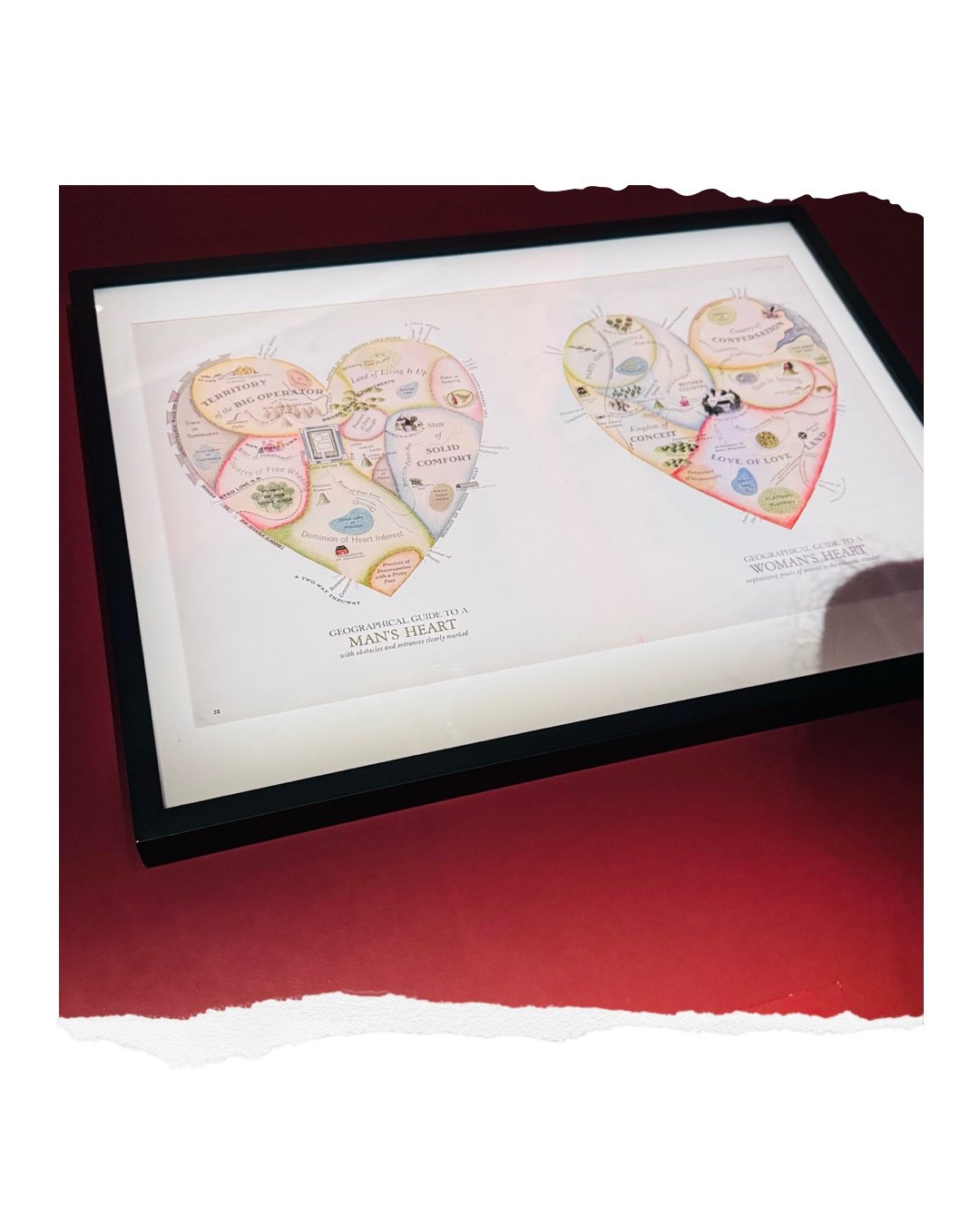
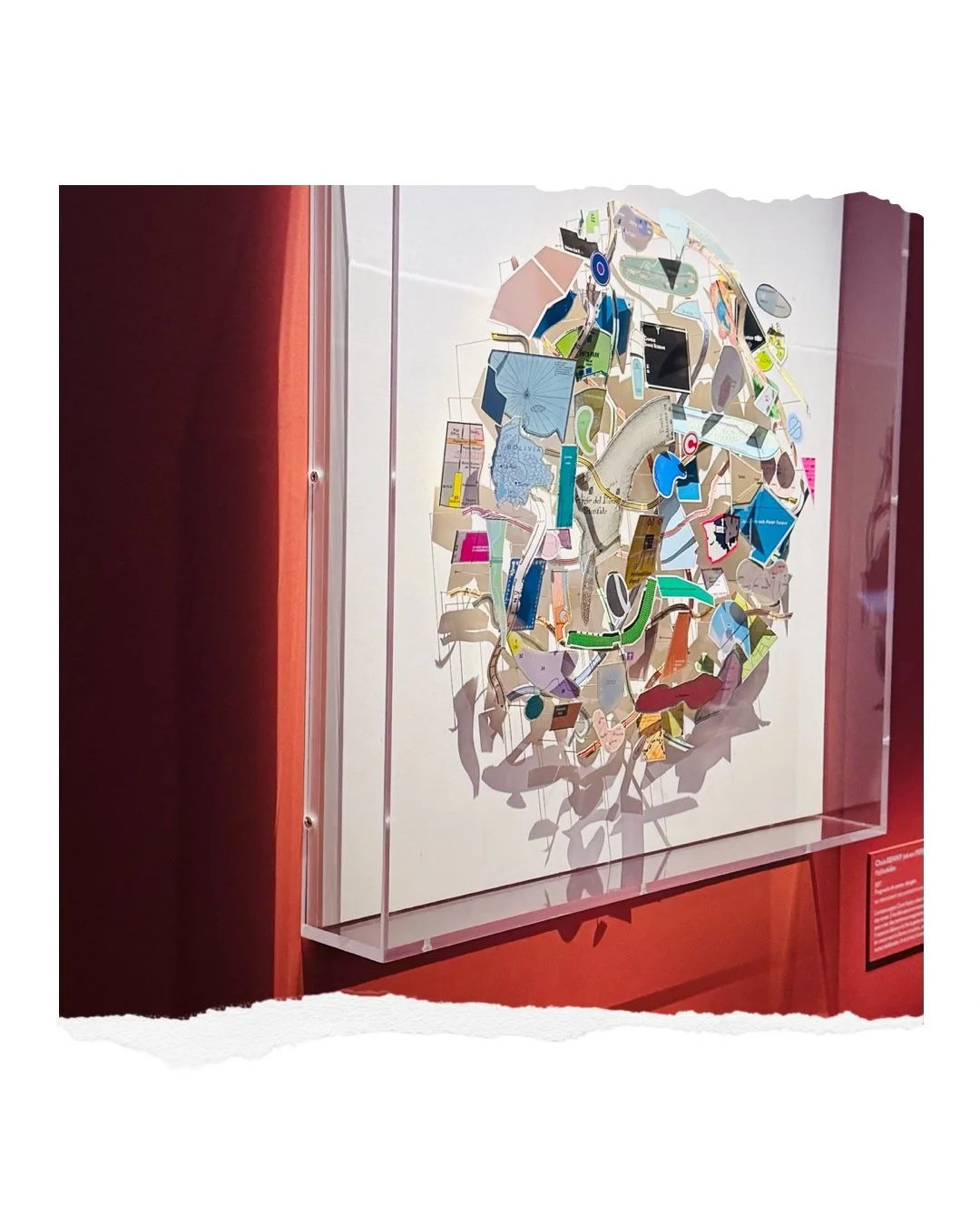
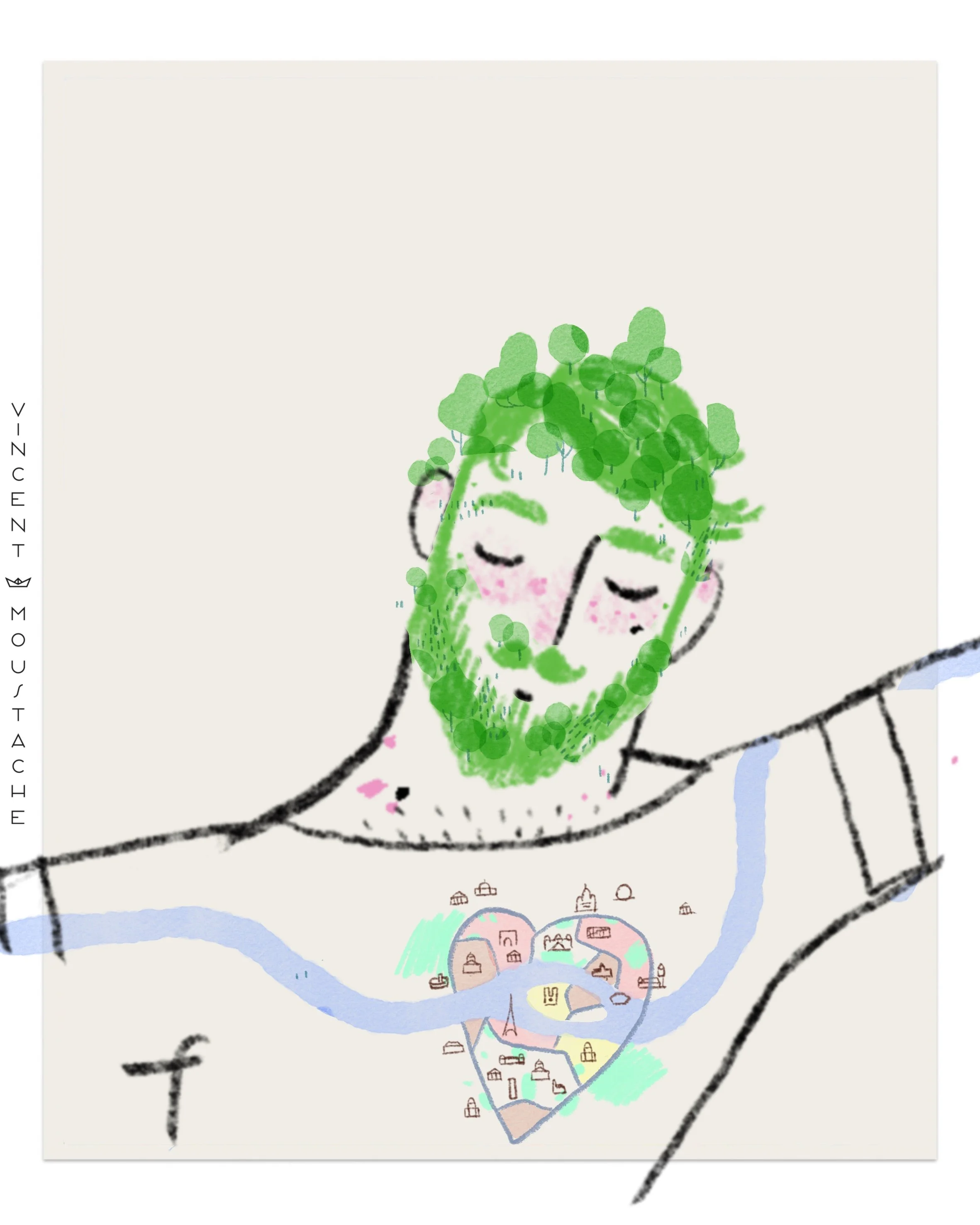
THE MAPS YOU NEED
A map can be a guide, and because of that, it doesn't necessarily have to be geographical—it can be emotional. I really enjoyed the work "Geographical Guide to a Man’s Heart - Geographical Guide to a Woman’s Heart" by Jo Lowry (1960).