FLAPPERS & PHILOSOPHERS : Invisible Cities

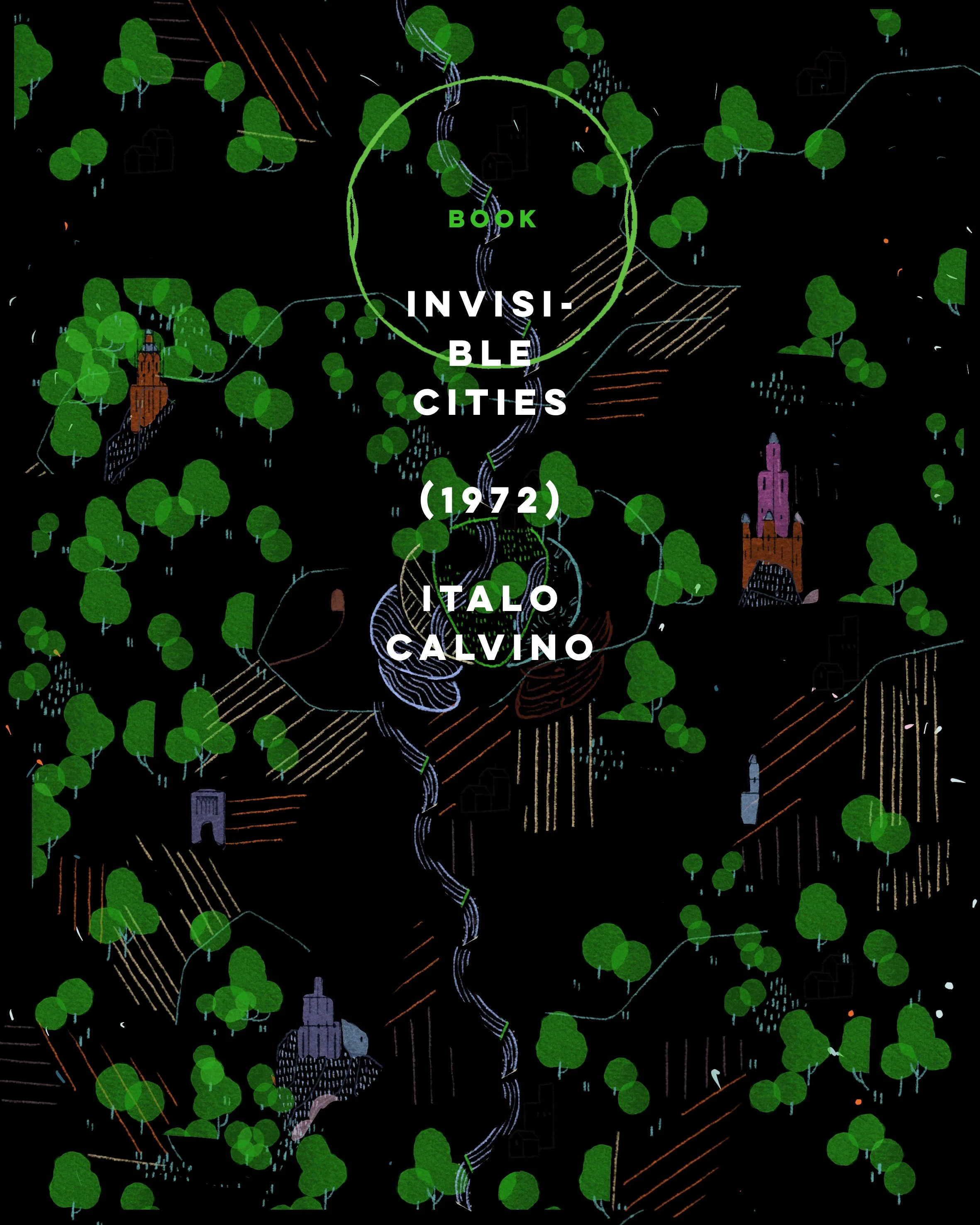
Invisible Cities
A fictional dialogue between Marco Polo and Kublai Khan, where Polo describes 55 fantastical, surreal cities that reflect human desire, memory, and the complexity of urban existence.
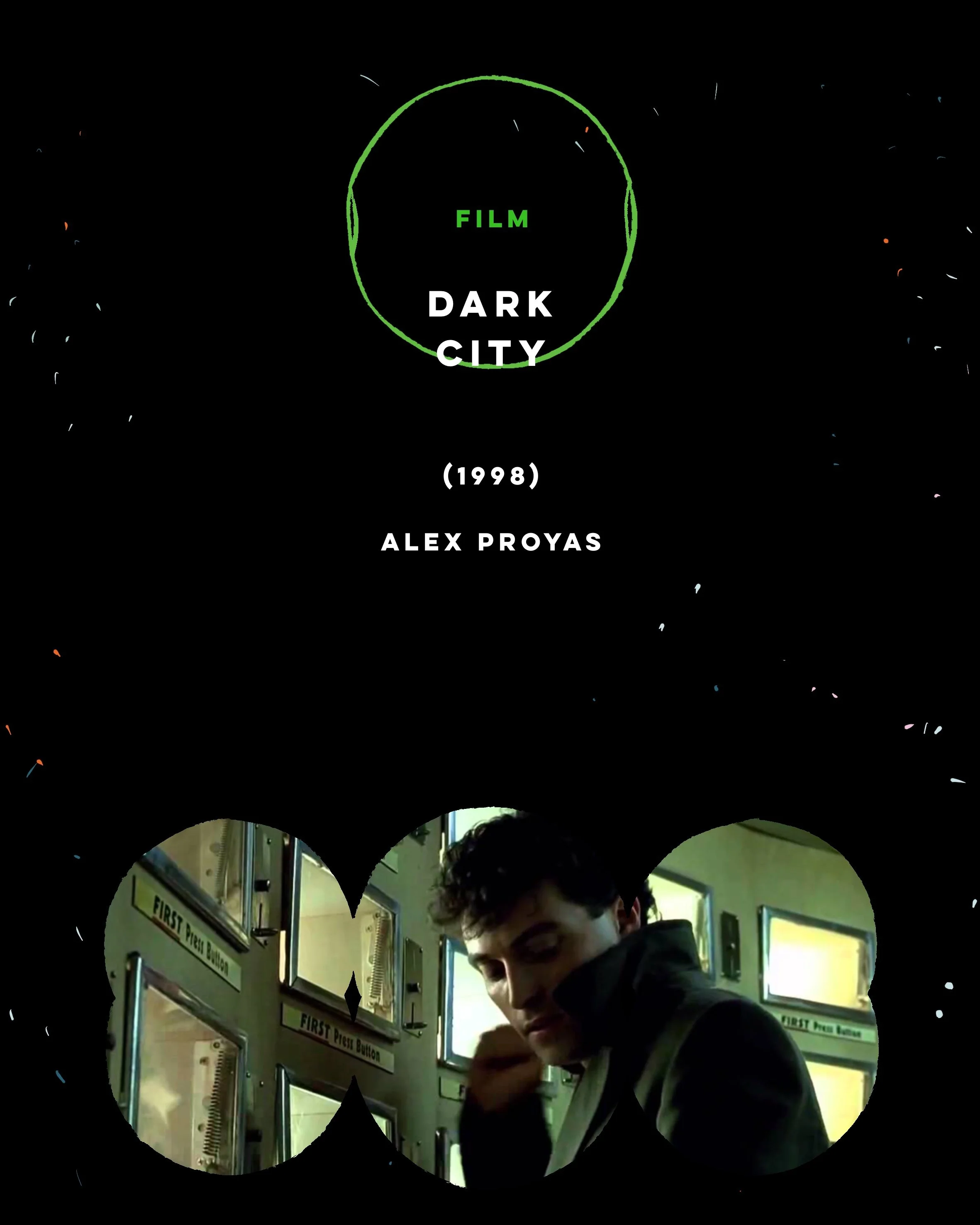
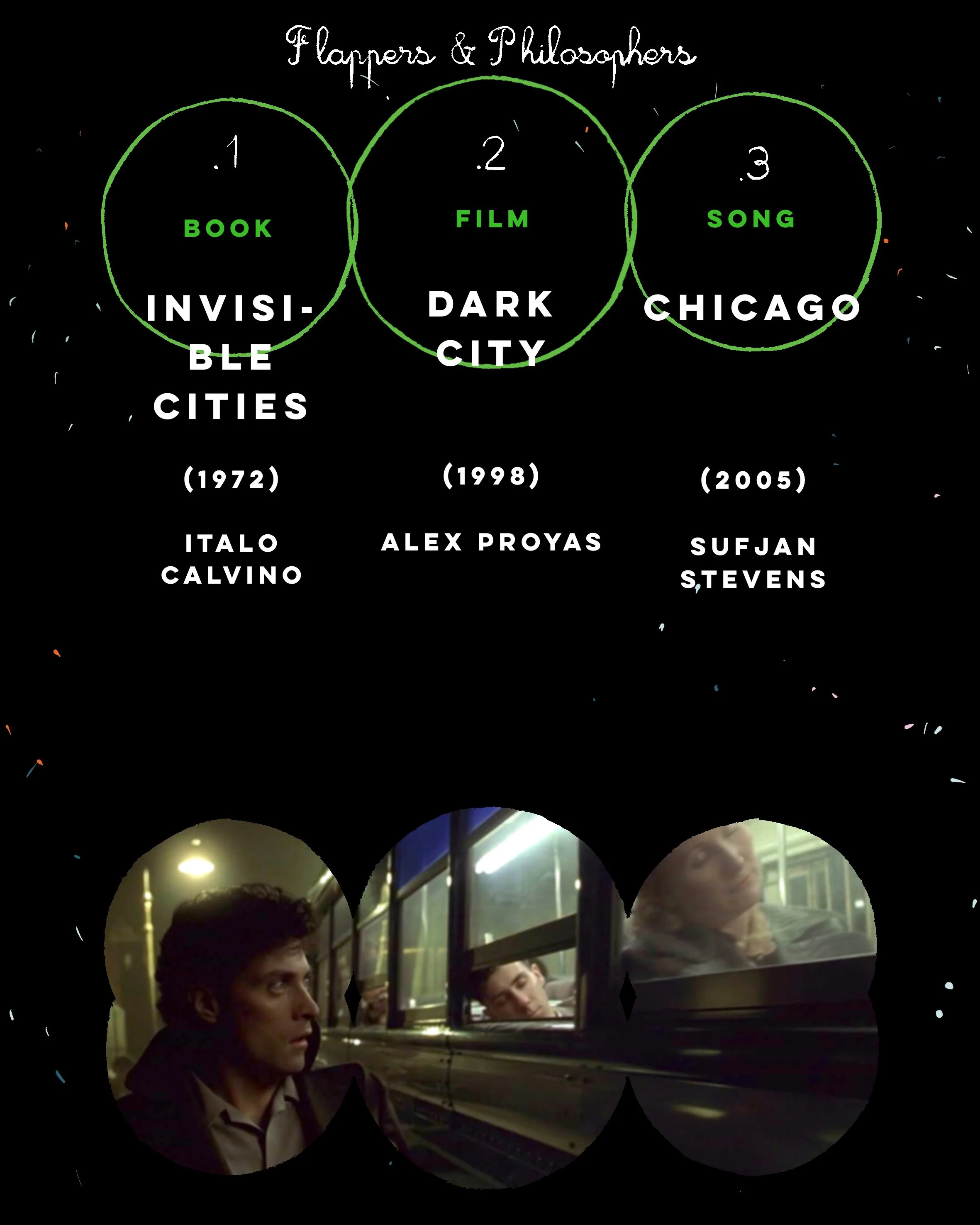
Dark City
A neo-noir sci-fi thriller about a man awakening with amnesia in a nocturnal city controlled by alien "Strangers," who manipulate human memories and telekinetically alter the physical environment.
Chicago
An autobiographical indie-folk anthem detailing a youth filled with mistakes, freedom, and self-discovery during road trips to Chicago, ultimately exploring themes of forgiveness and spiritual grace.
In Invisible Cities (1972) by Italo Calvino, the 55 cities conjured by Marco Polo for the emperor Kublai Khan are organized into 11 thematic categories, with 5 cities in each:
1. Cities & Memory: Explore how the past, memory, and time transform a city's identity.
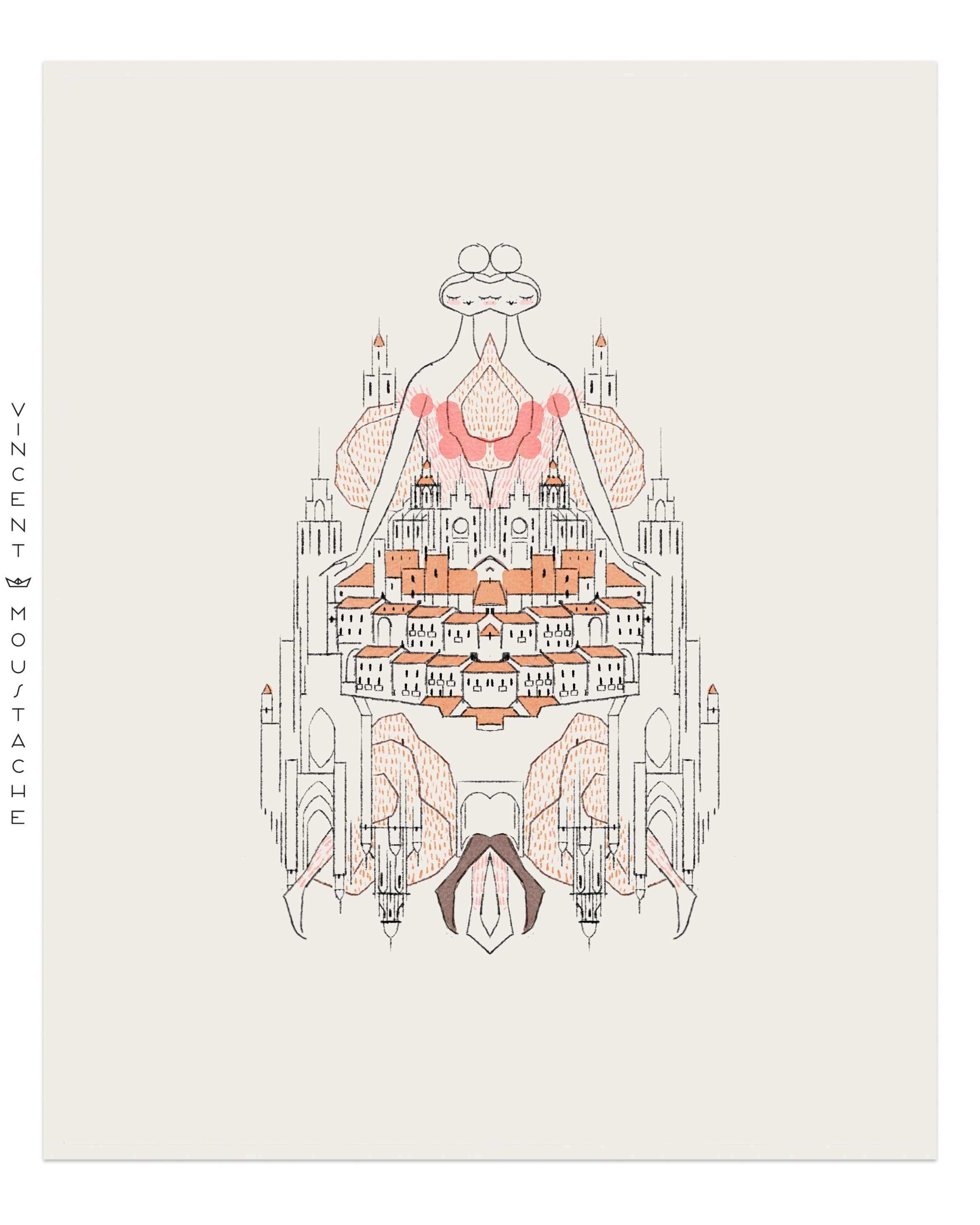
2. Cities & Desire: Reflect on the longings, fantasies, and frustrations of those who inhabit or seek them.
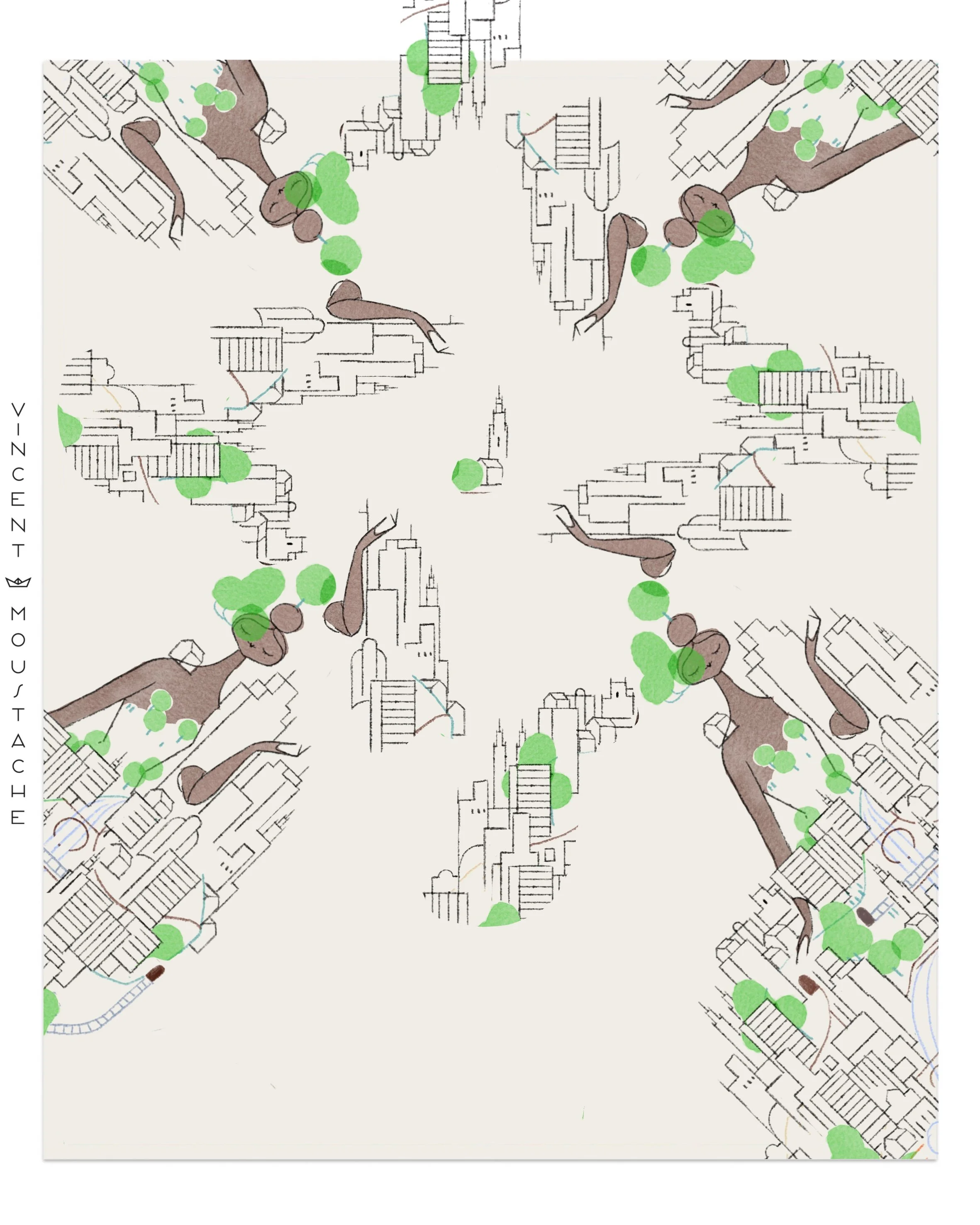
3. Cities & Signs: Address urban language, semiotics, and how objects or streets communicate meaning.
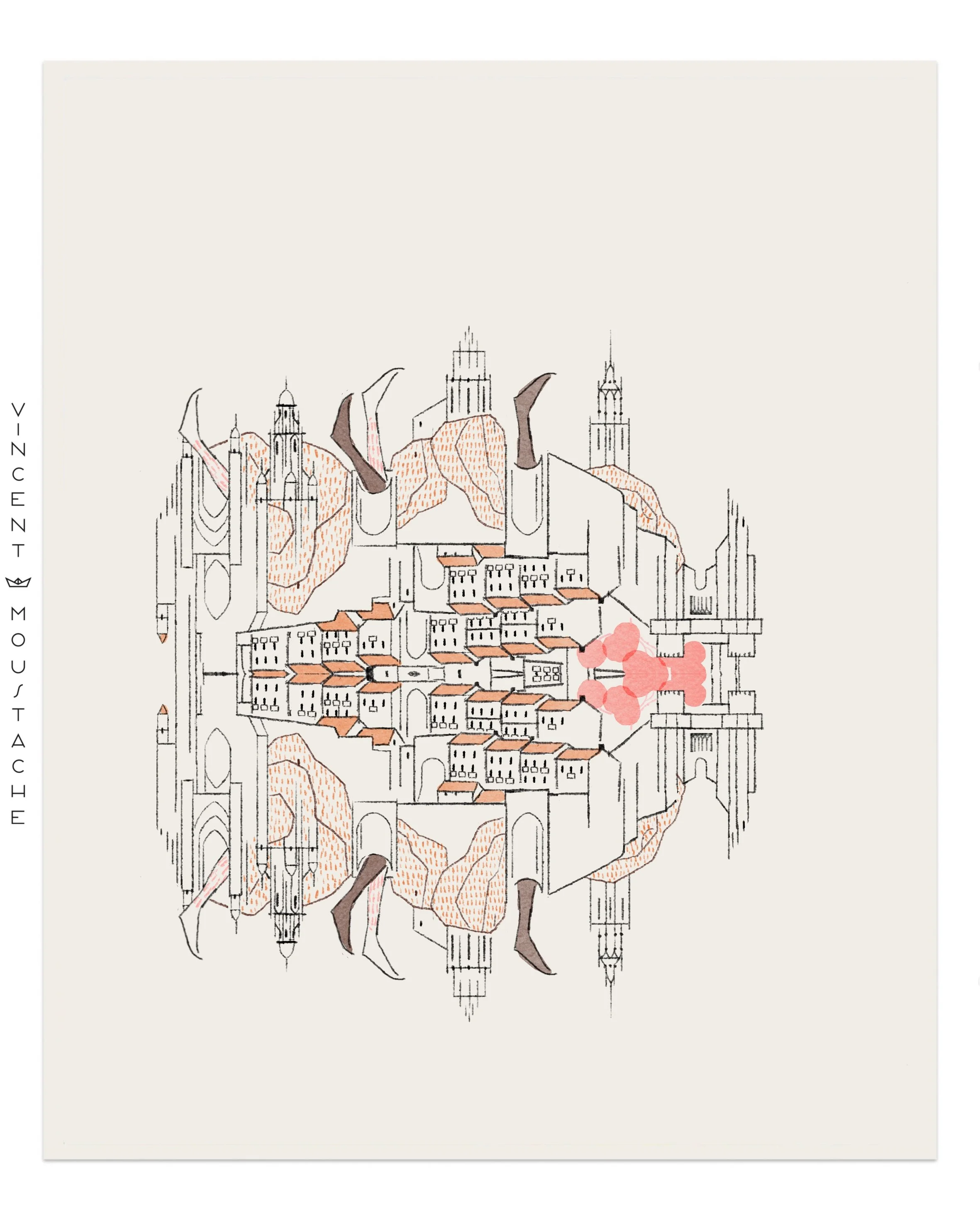
4. Thin Cities: Describe ethereal, suspended, or structurally lightweight and conceptual cities.
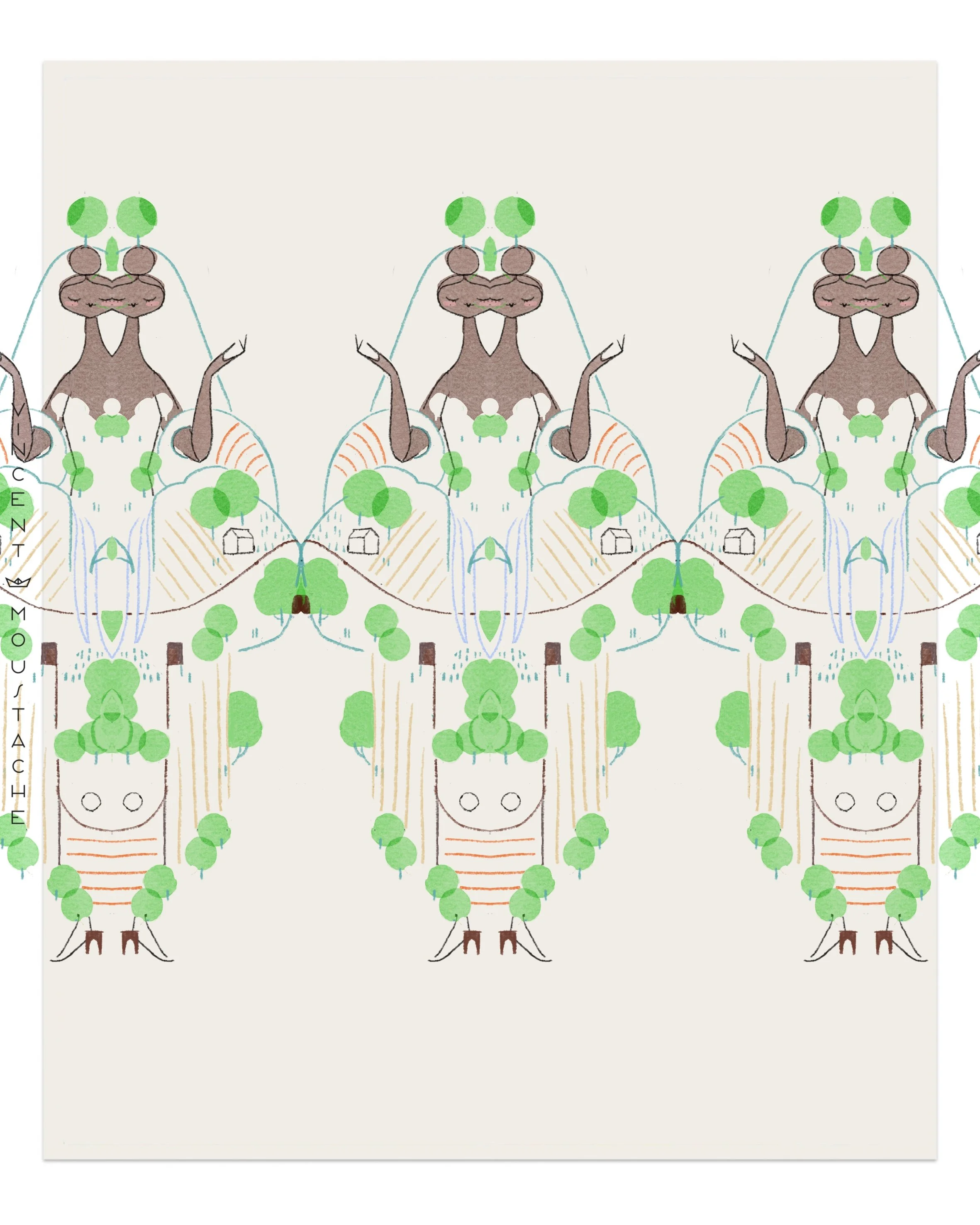
5. Trading Cities: Focus on the exchange not just of goods, but of stories, glances, and desires among people.
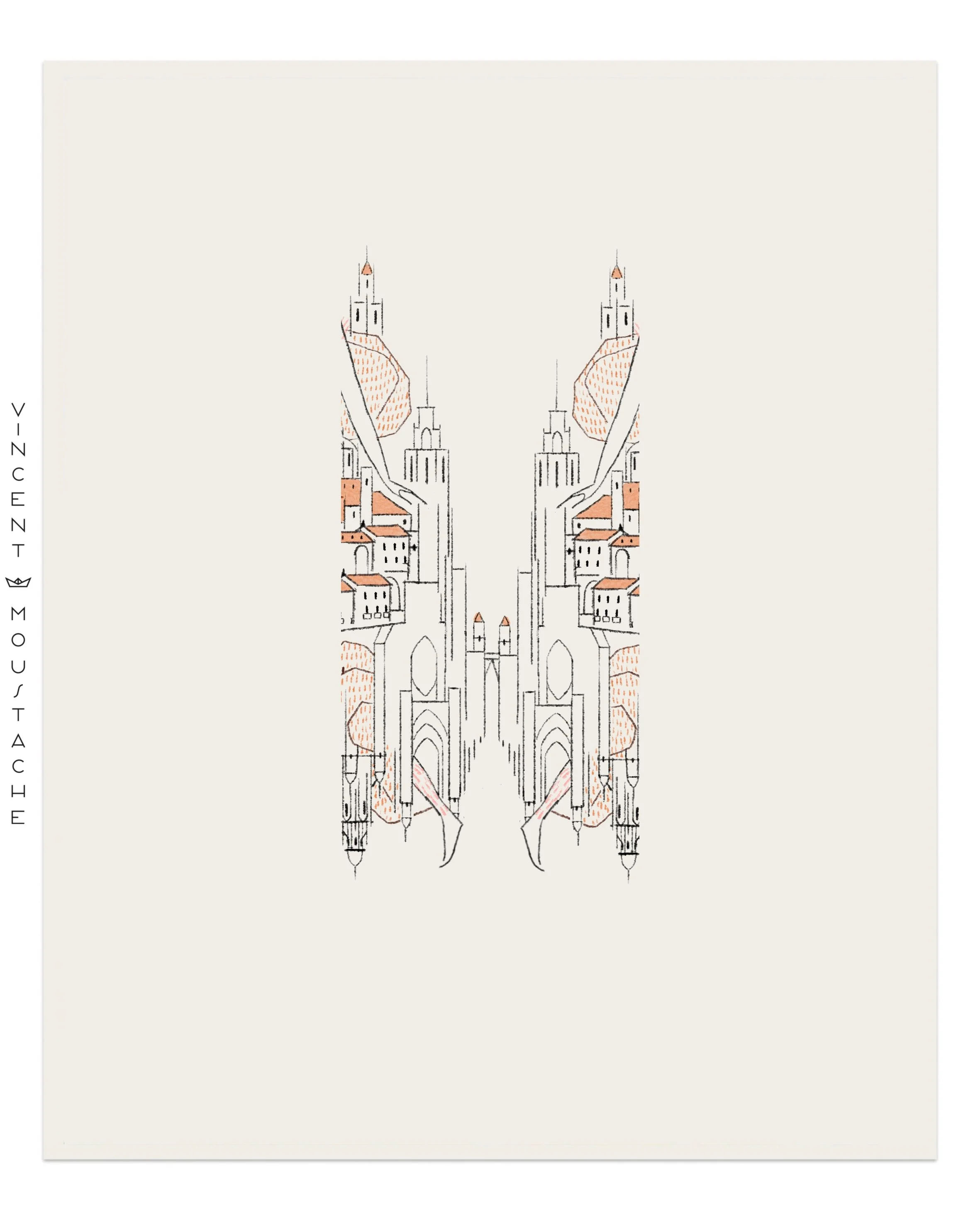
6. Cities & Eyes: Center on visual perception, perspectives, and the act of looking or being looked at.
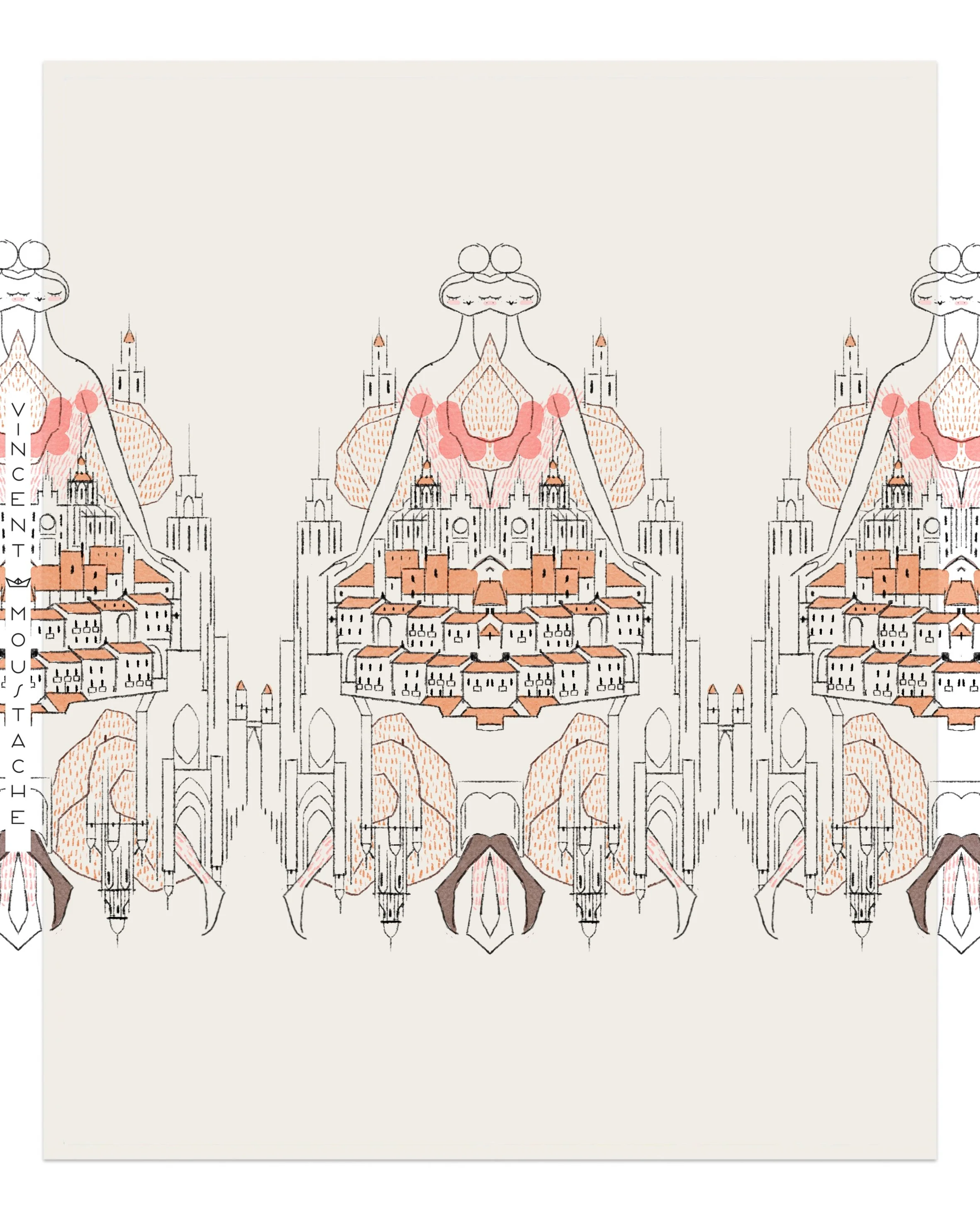
7. Cities & Names: Reflect on the relationship between the word that names the city and its actual reality.
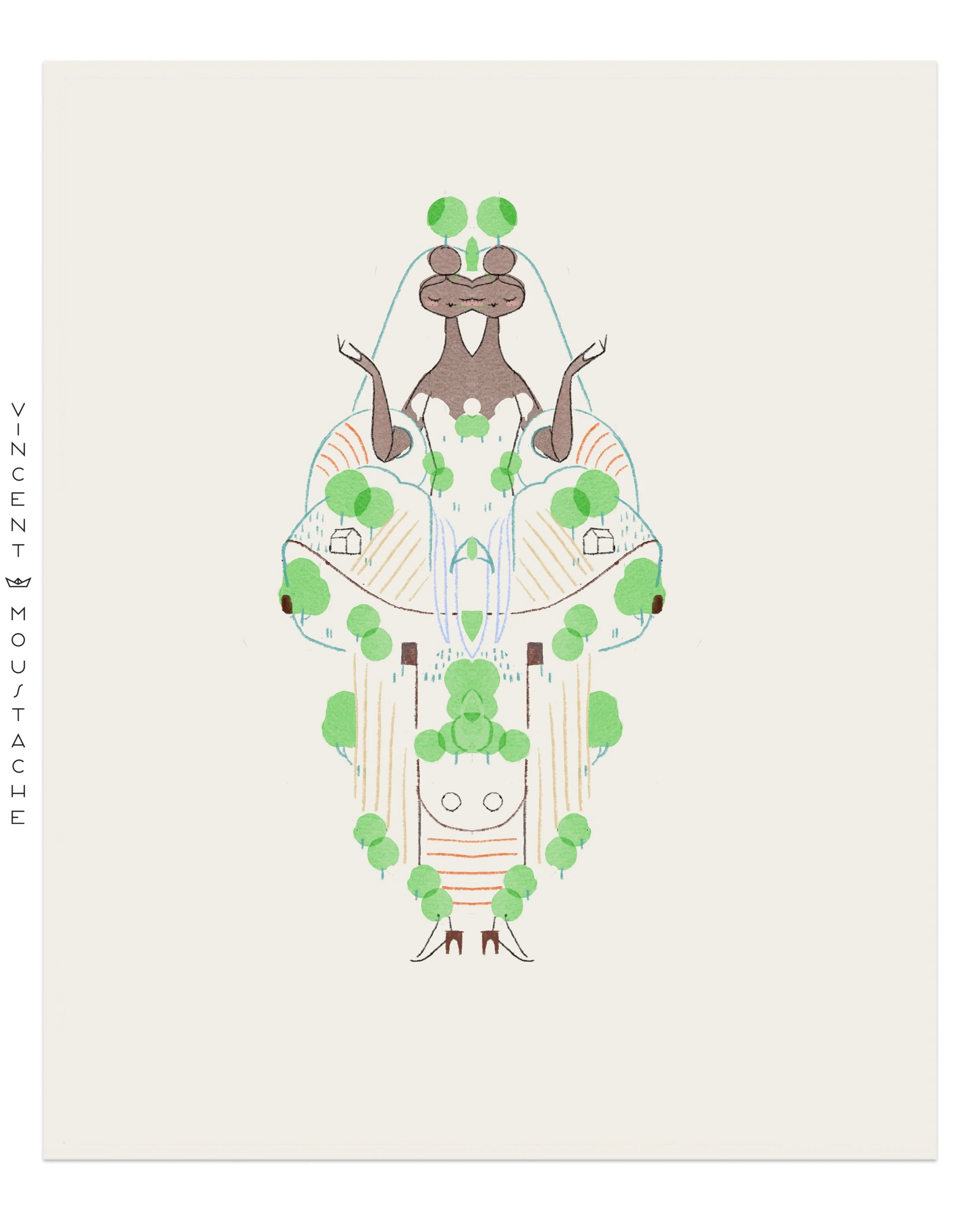
8. Cities & the Dead: Explore the coexistence, dialogue, or parallels between the city of the living and the realm of the deceased.
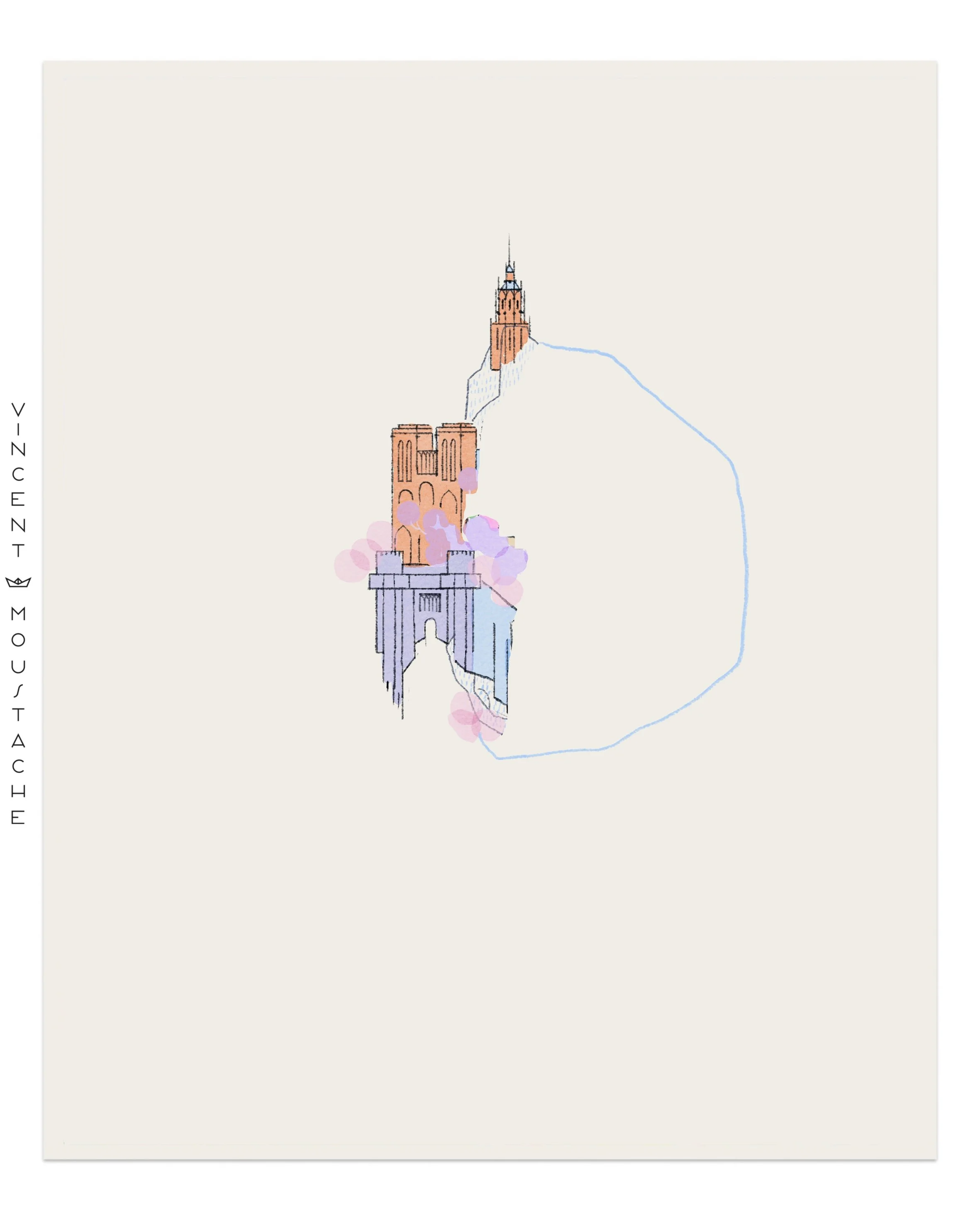
9. Cities & the Sky: Connect to astronomy, cosmology, divine alignments, and the pursuit of cosmic order.
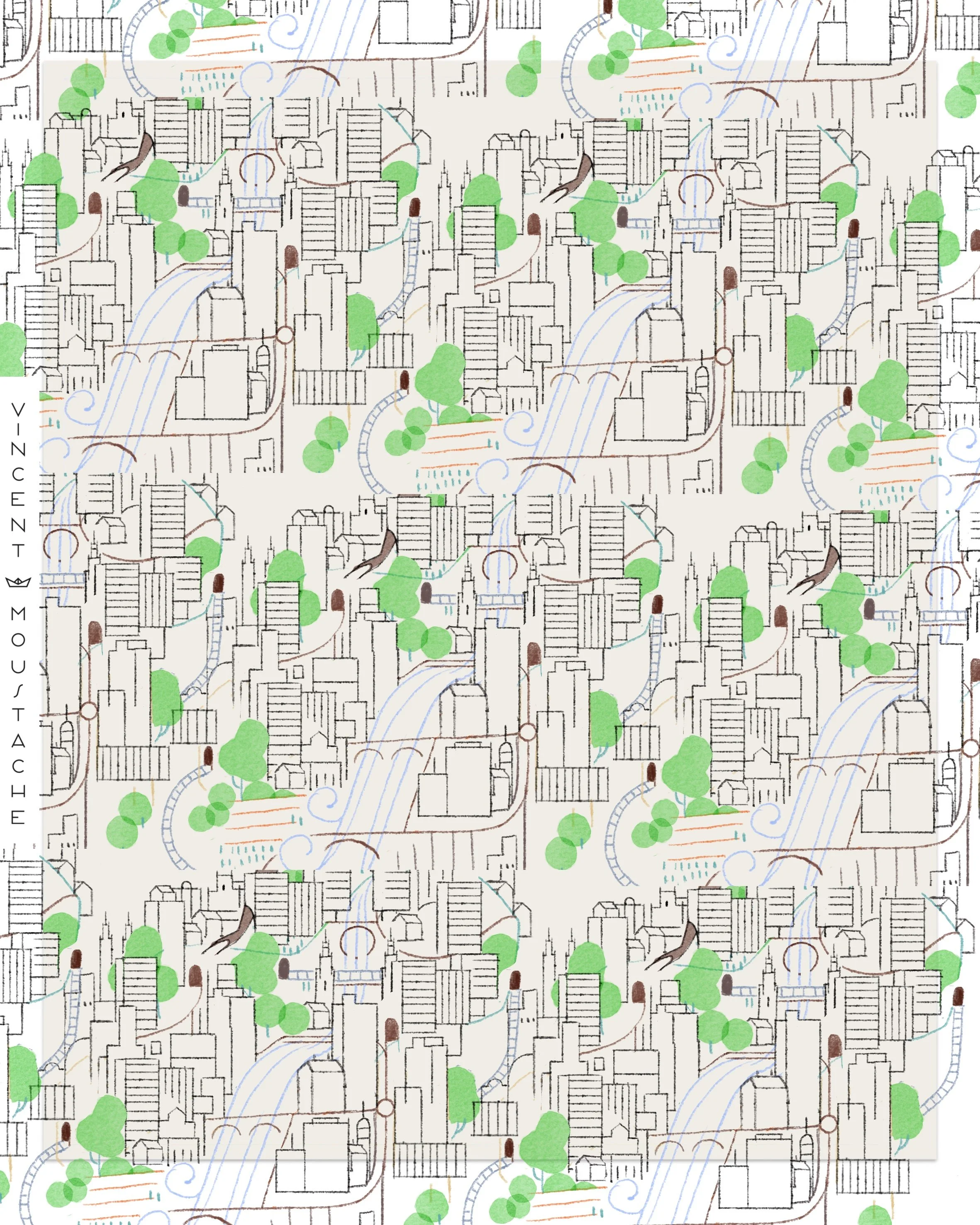
10. Continuous Cities: Address unchecked urban growth, repetition, massification, and the erosion of boundaries.
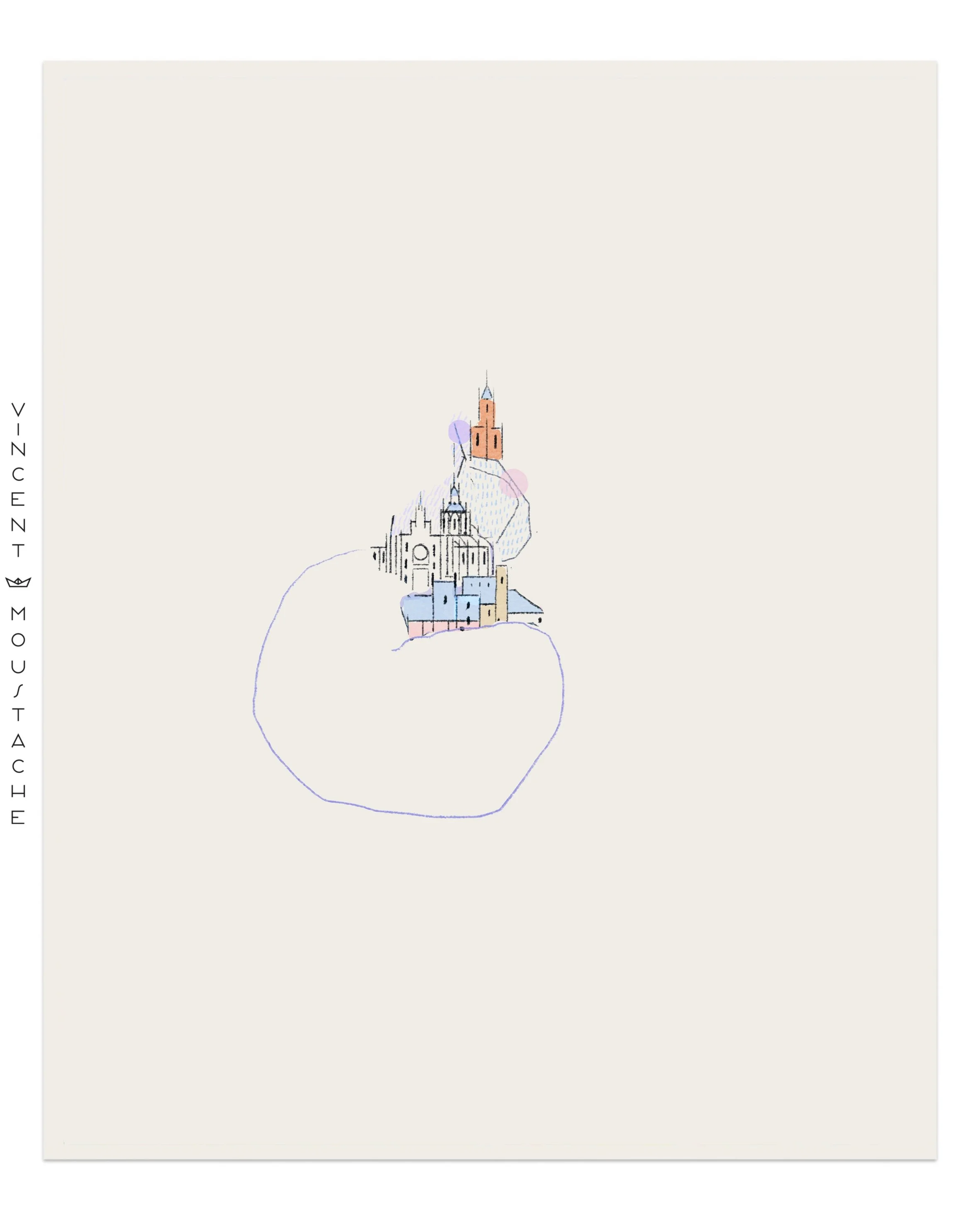
11. Hidden Cities: Deal with concealed realities, multiple layers, virtues, or miseries submerged within a single city.