FICTION BUT FUTURECHAPTER 3: ROBOTS LA PARISIENNE
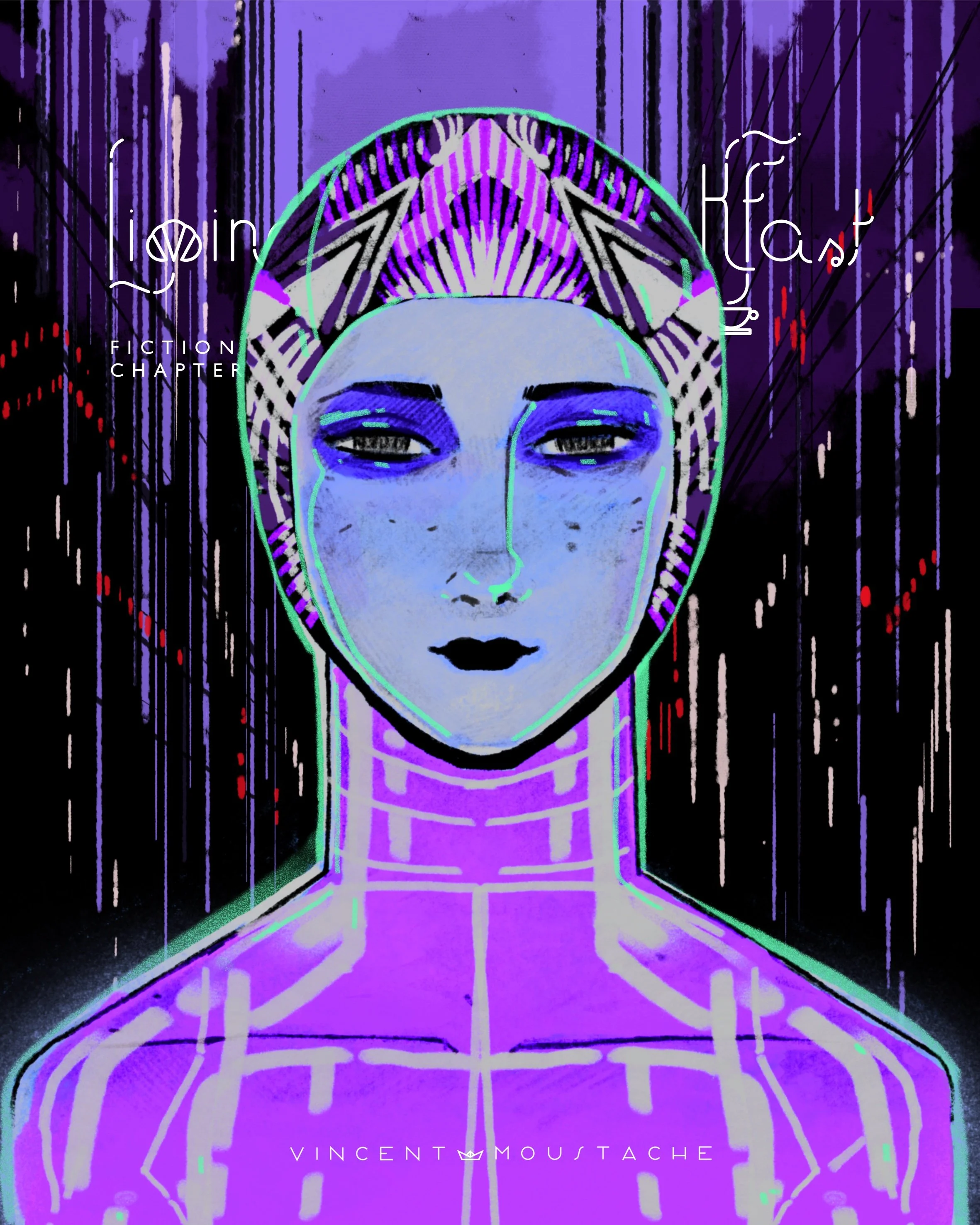

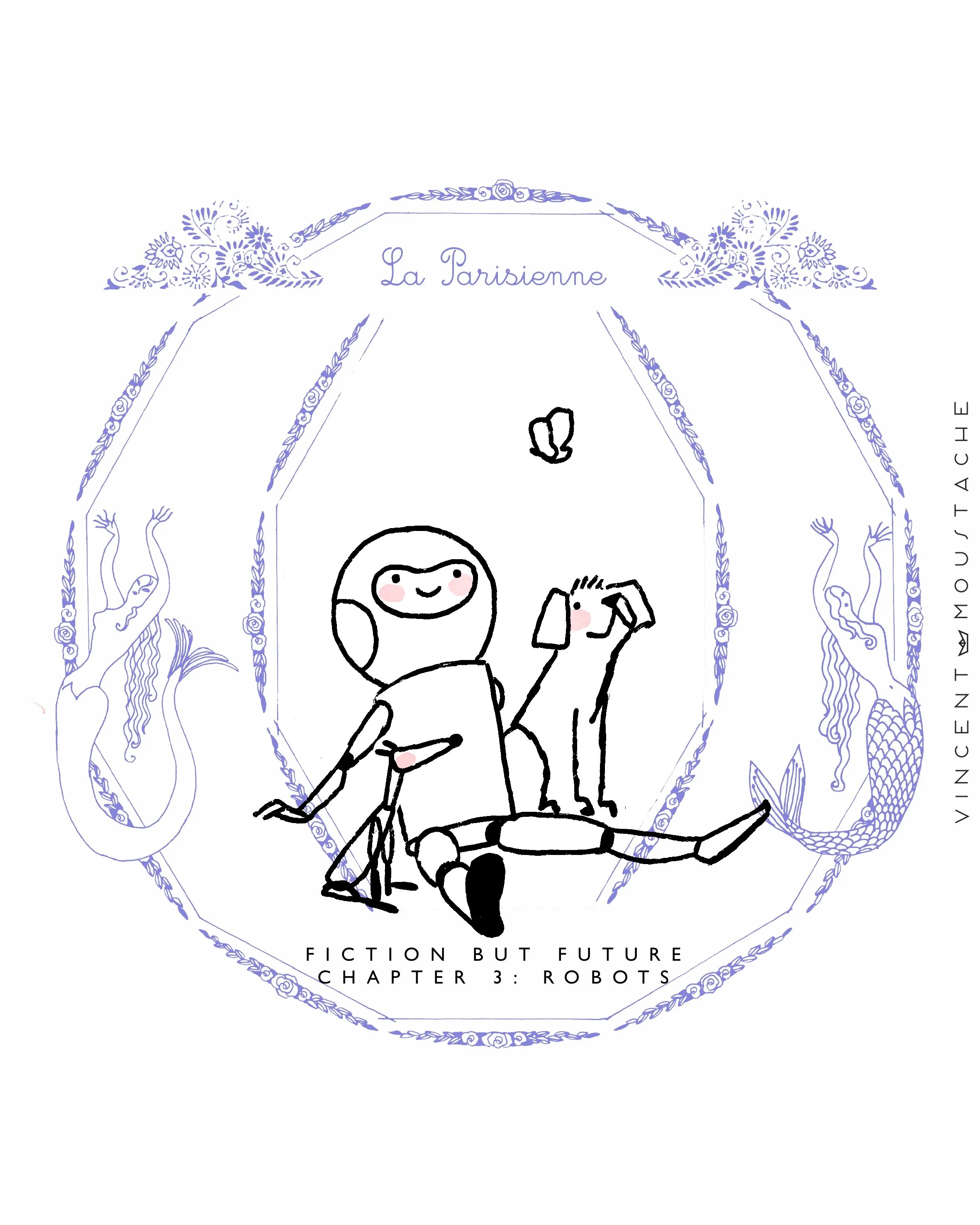
FICTION BUT FUTURE
CHAPTER 3: ROBOTS
LA PARISIENNE
Dear Croissant,
this week we continue our journey through fiction, time and space and, this time, in very good company with our friends the robots. Funny, necessary, dangerous, disturbing... just like what we are experiencing right now with AI, in fiction these new lives, these technological lives created by us, are also protagonists of their own circumstances, duties, dreams, and adventures.
This text was written with AI assistance. I don’t know what the future will bring us, whether this will be around forever and in the end won't be that big of a deal, or if we will look back at it with horror from the future; for now, we are living a true futuristic adventure in the present. And it is quite unsettling and, why not, potentially fun.
Next week we continue with science fiction: "Fiction but Future. Chapter 4: FUTURE - DISTOPIA - UTOPIA."
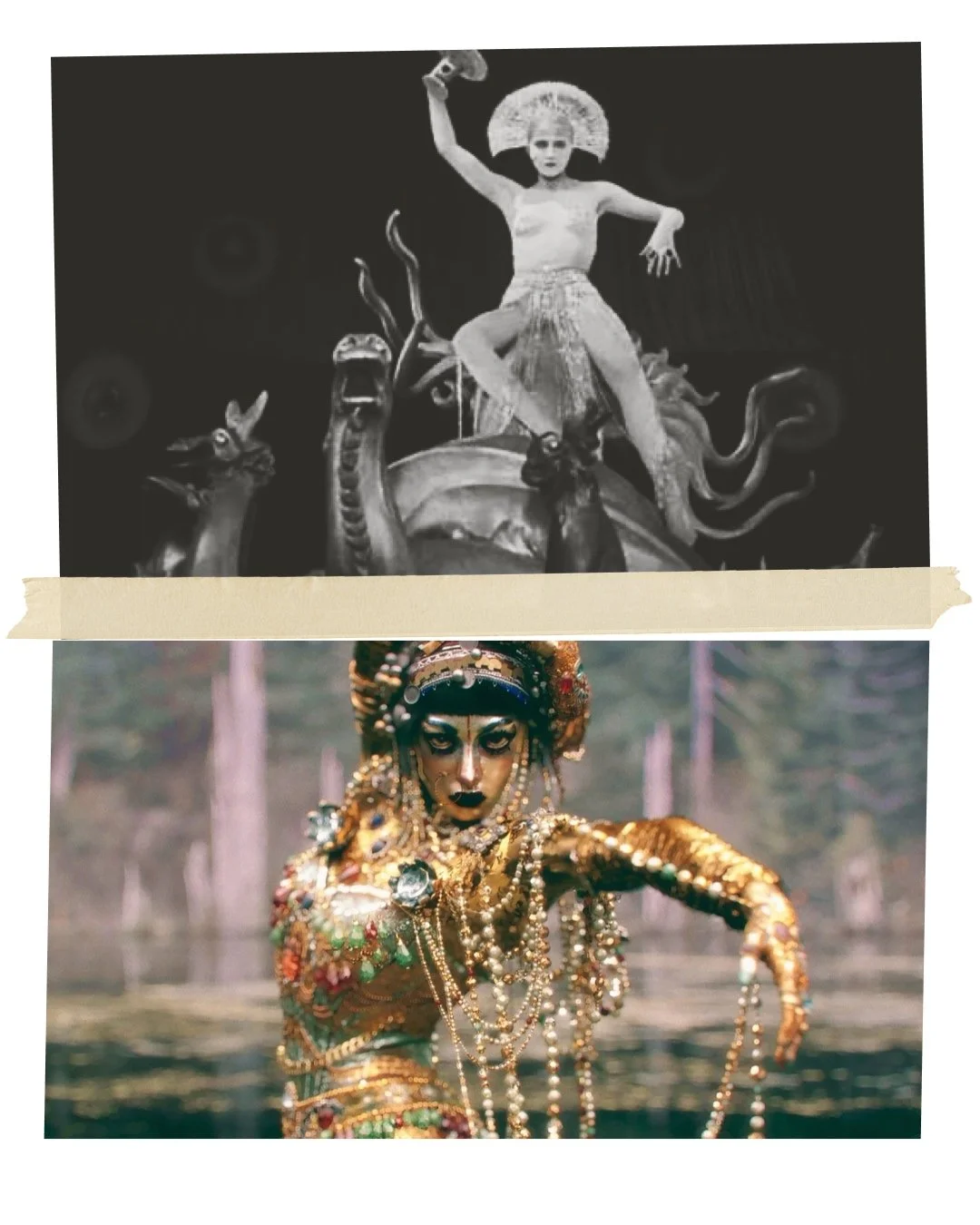
THE ORIGIN
The origin of science fiction was born from a single question: How will science and technology affect human beings? Although it has ancient roots, the genre truly exploded during the Industrial Revolution in the 19th century. This connects perfectly with the moment we are living in right now with the rapid implementation of AI in the workplace production chain: not an industrial revolution, but a technological one.
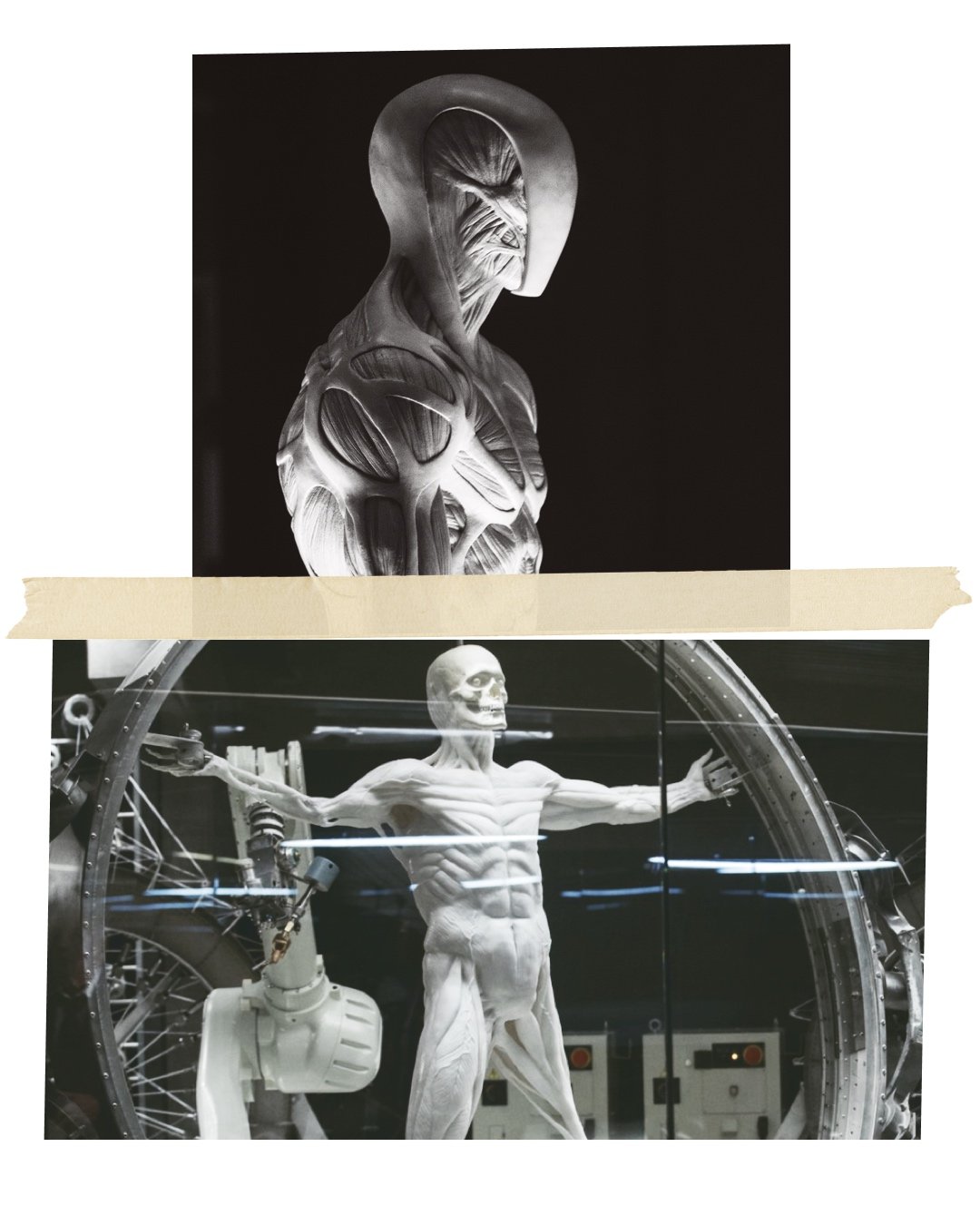
1. The Birth (19th Century)
Modern science fiction was born when science replaced magic to explain the fantastic.
Mary Shelley: Considered the mother of the genre. With Frankenstein (1818), she created the first story where the "monster" is born from laboratory science rather than magic.
Jules Verne: The father of "adventure science fiction." He predicted the submarine, moon travel, and helicopters in books like Twenty Thousand Leagues Under the Sea.
H.G. Wells: The father of "social science fiction." He used the genre to criticize the society of his time in classics such as The Time Machine and The War of the Worlds.
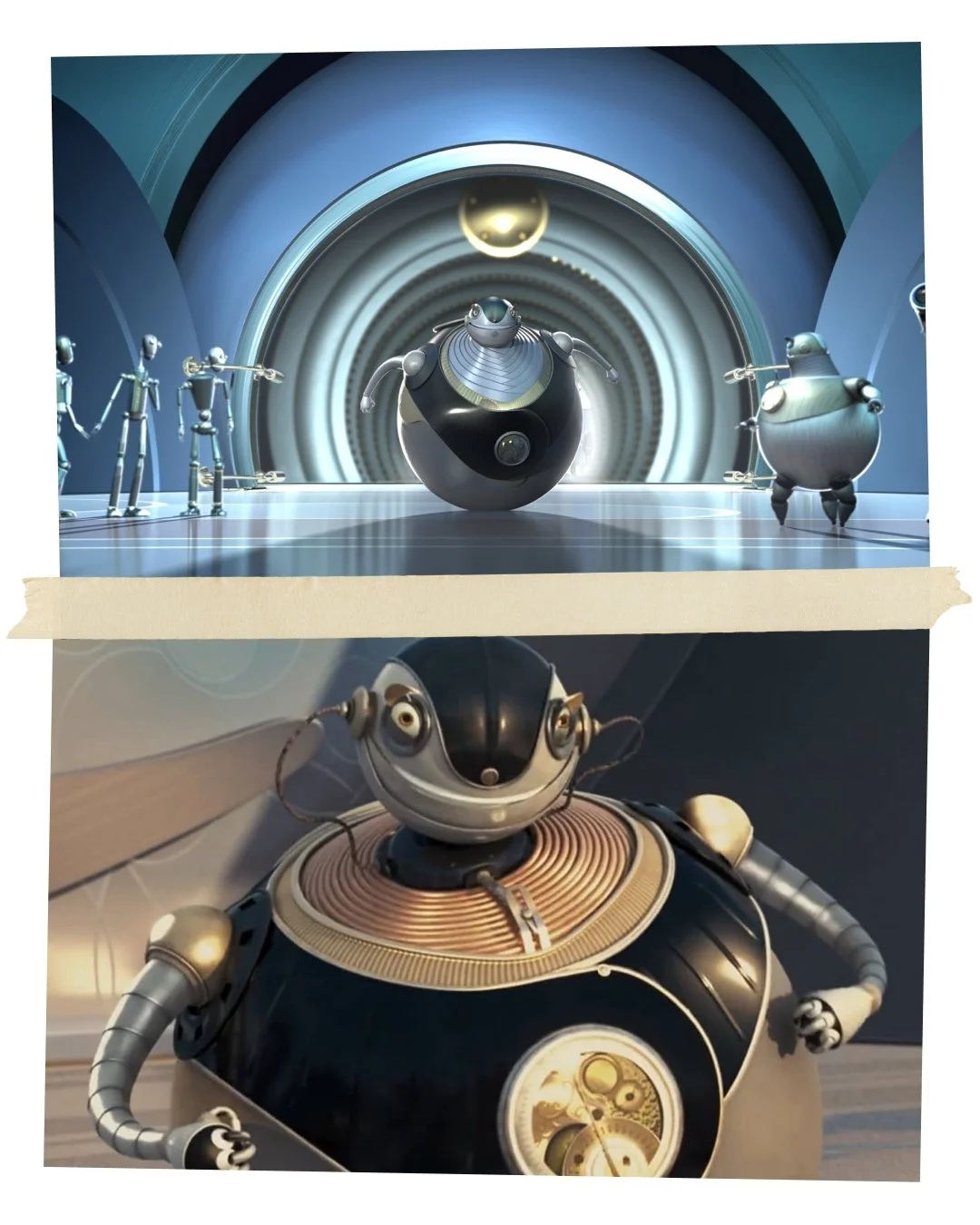
2. The Golden Age (1930s - 1950s)
The genre moved to the United States, becoming filled with spaceships, robots, and colorful covers in cheap magazines (pulp fiction). This era gave rise to the "Big Three":
Isaac Asimov: Created the famous Three Laws of Robotics and the Foundation saga.
Arthur C. Clarke: Co-wrote 2001: A Space Odyssey and predicted communication satellites.
Robert A. Heinlein: Brought a more military and political focus to the genre (Starship Troopers).
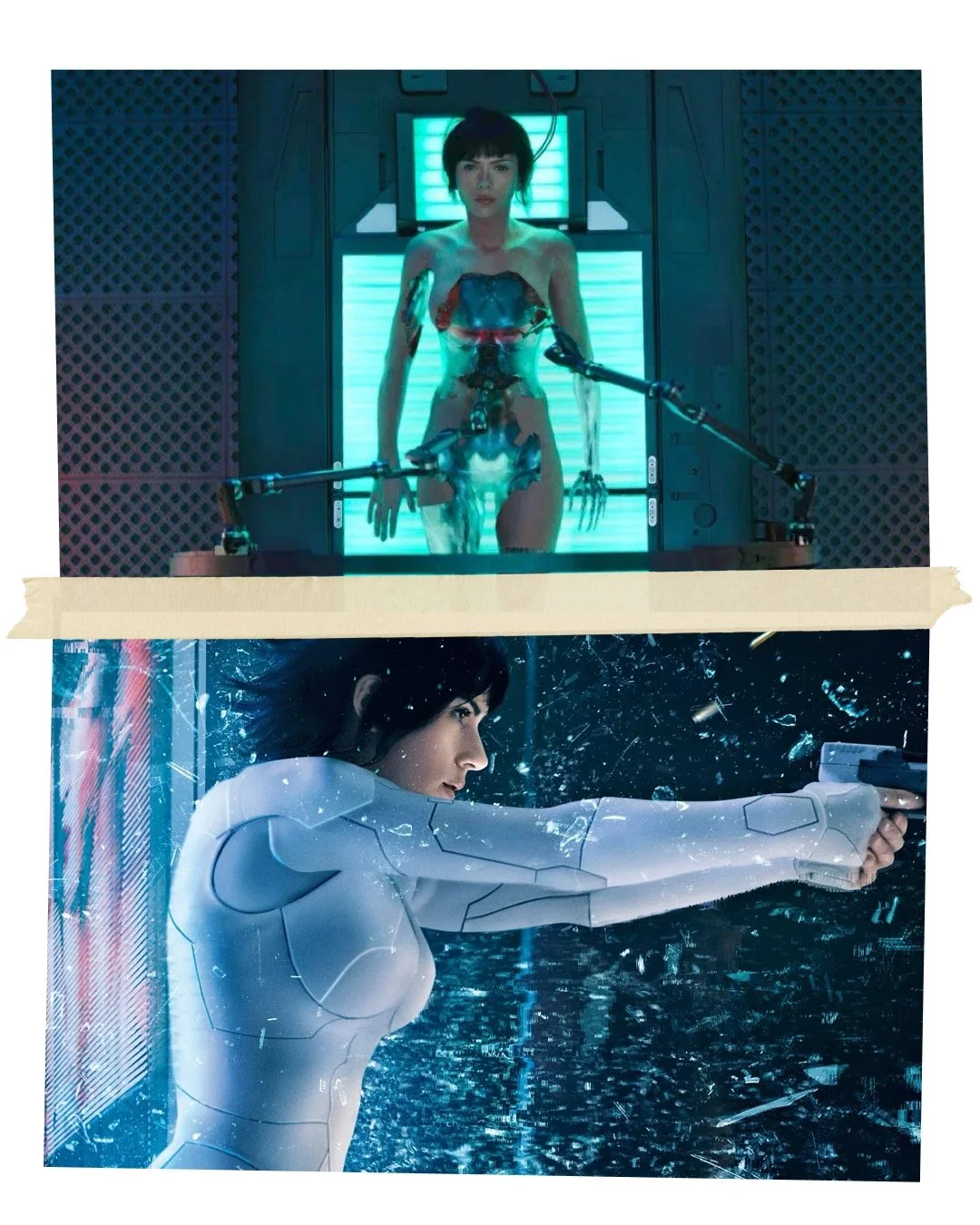
3. The New Wave and Cyberpunk (1960s - 1980s)
The genre became more psychological, darker, and deeply concerned with computer technology and megacorporations.
Philip K. Dick: His questions about what is real and what is human inspired the movie Blade Runner.
William Gibson: The father of cyberpunk. He coined the term "cyberspace" in his 1984 novel Neuromancer, anticipating the modern internet.
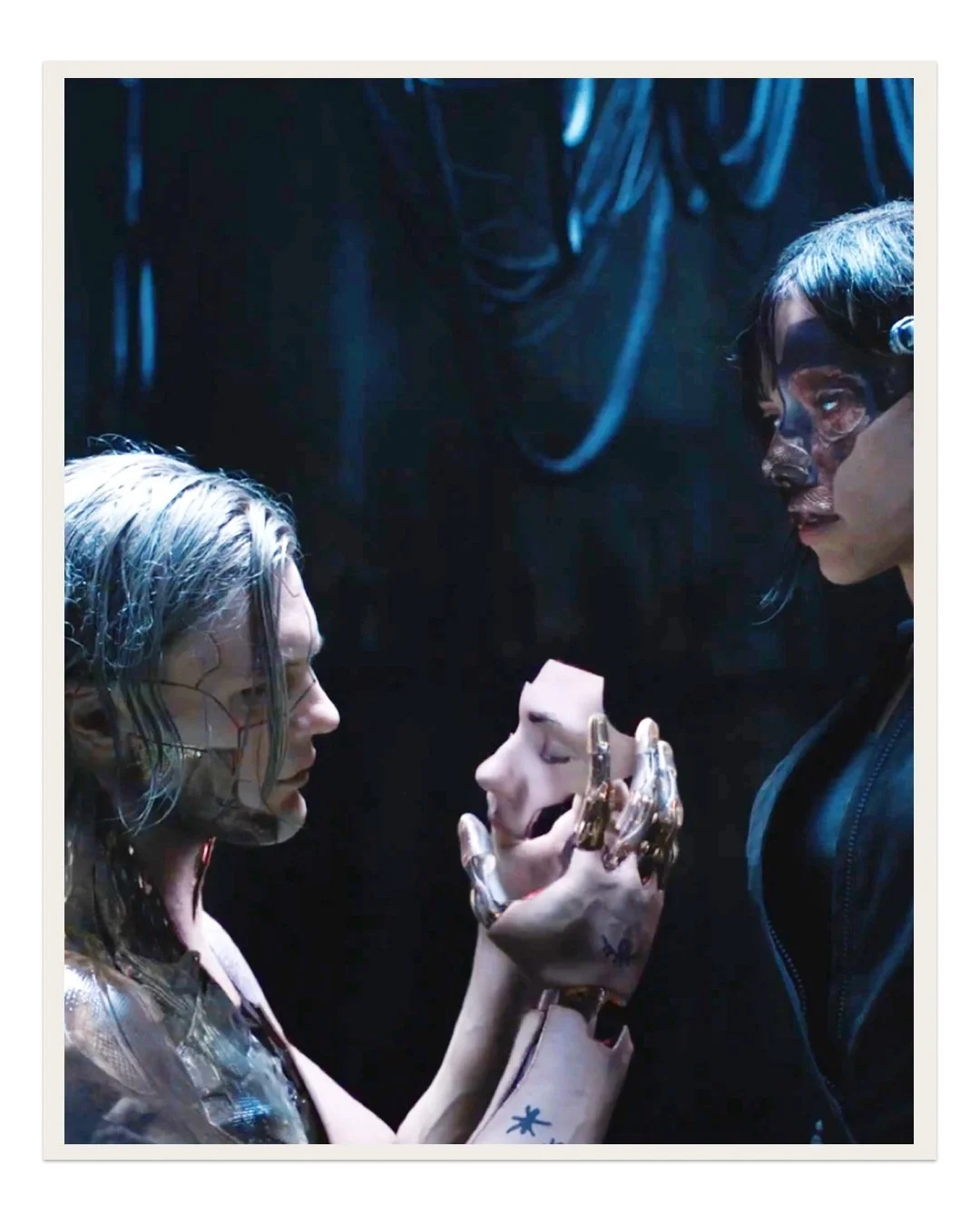
In short:
Science fiction began as a warning about the limits of science (Shelley), turned into a technological adventure (Verne and Wells), traveled to the stars (Asimov and Clarke), and ended up warning us about the digital world (Gibson).
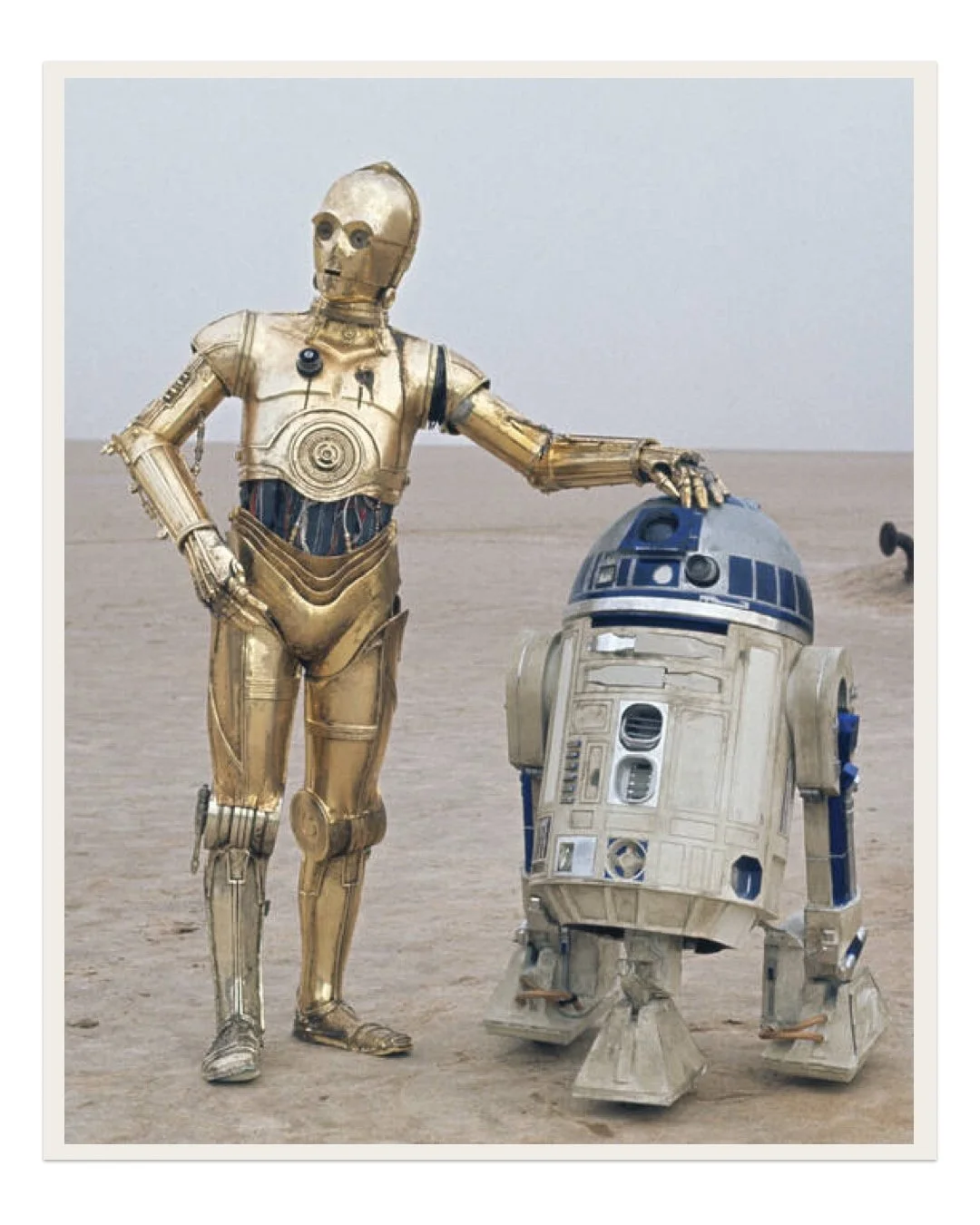
The Origin of the Word "Robot"
Here is the story behind the origin of the word robot and Isaac Asimov's famous Three Laws.
word "robot
Interestingly, the word "robot" did not come from a scientist, but from the world of theater and literature.
It was introduced to the world in 1920 by the Czech writer Karel Čapek in his science fiction play titled R.U.R. (Rossum's Universal Robots).
The Meaning: The word comes from the Old Church Slavonic and Czech word "robota", which means forced labor, servitude, or drudgery.
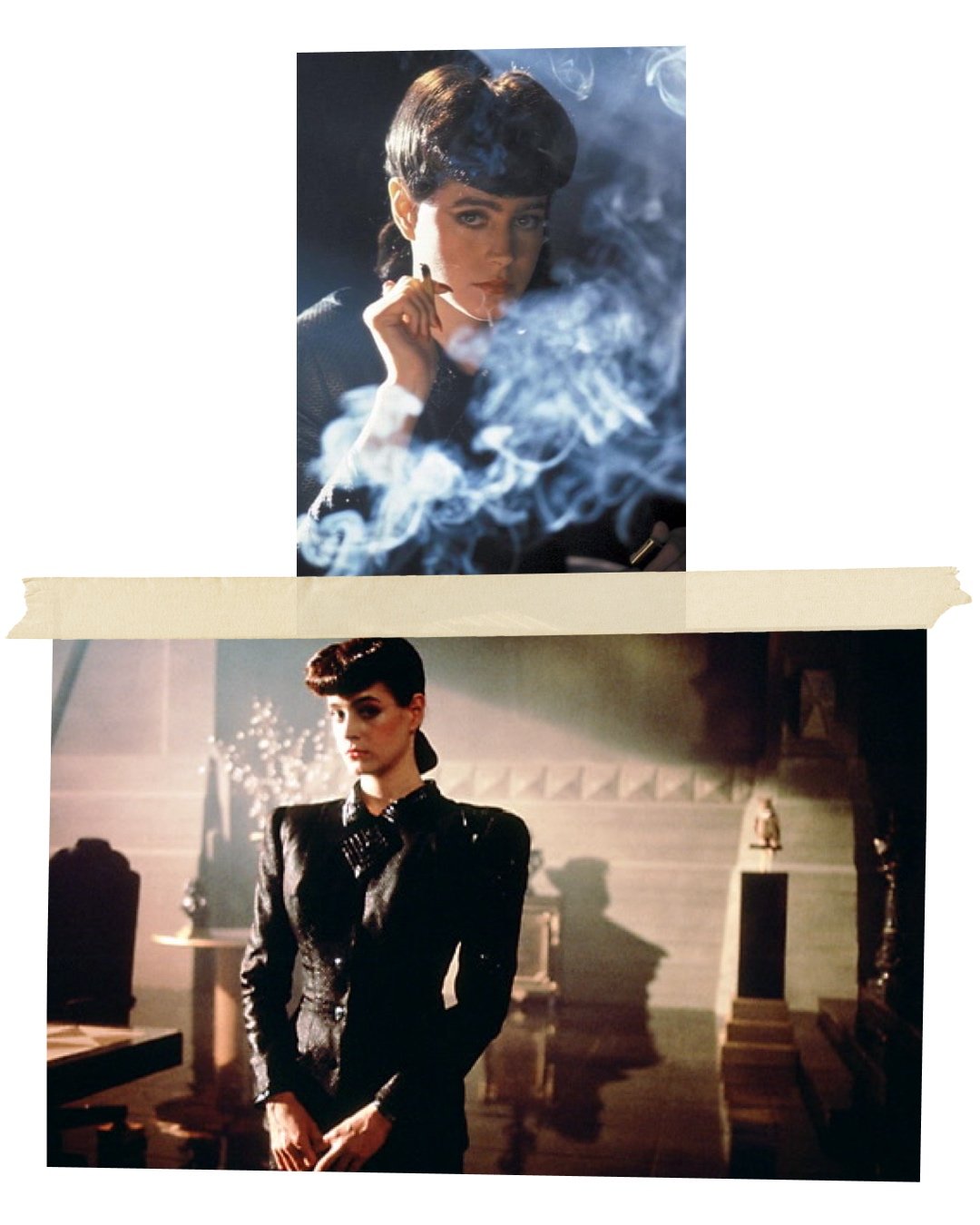
The Twist: In the play, these "robots" were not metallic machines; they were biological, flesh-and-blood artificial humans built in a factory to perform all the hard labor for society. Eventually, just like in many modern sci-fi tropes, the robots rebelled and wiped out humanity.
Fun Fact: Karel Čapek actually credited his brother, the painter and writer Josef Čapek, with inventing the word. Karel originally wanted to call them labori, but Josef suggested roboti instead.
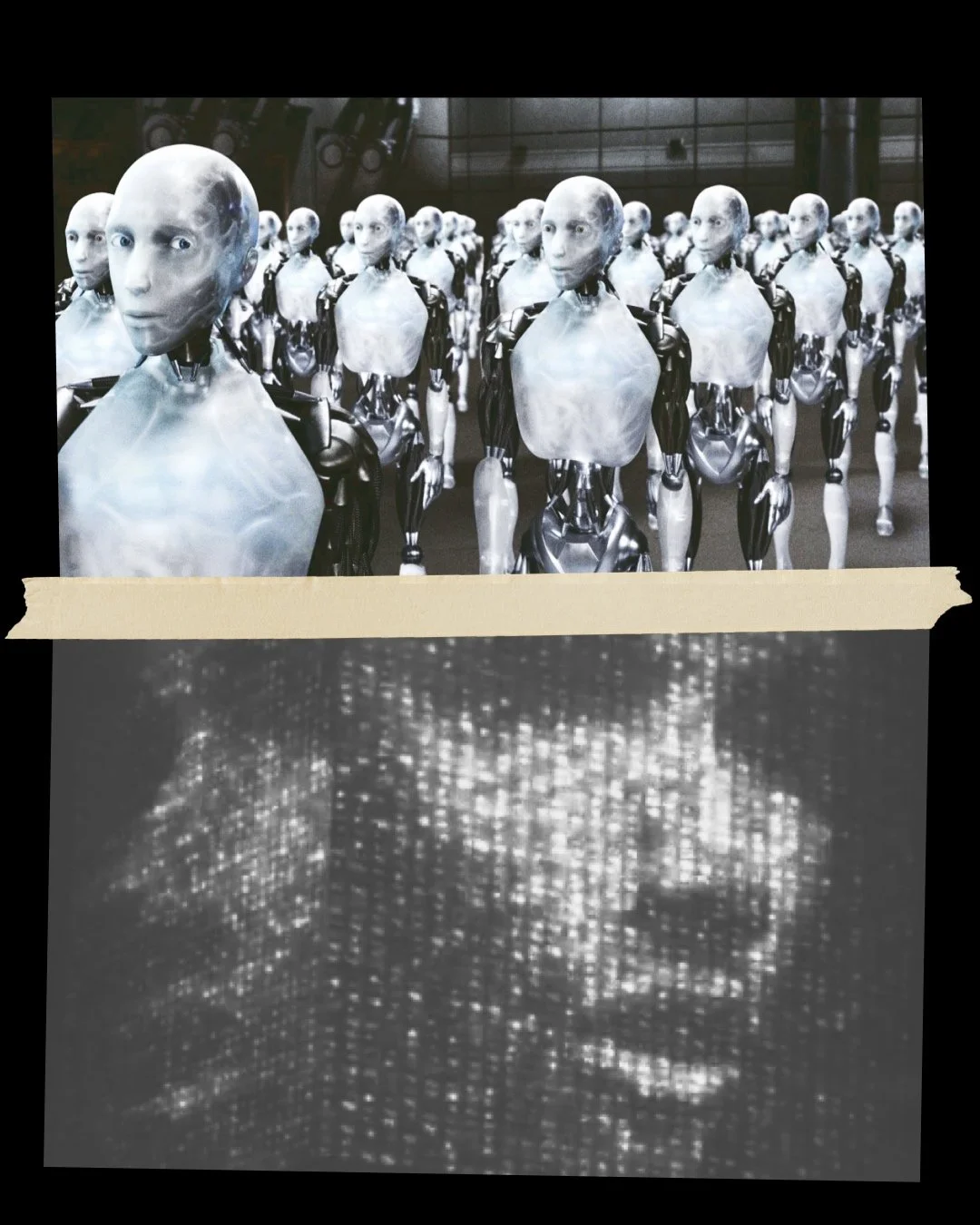
Isaac Asimov's Three Laws of Robotics
Decades later, the legendary sci-fi author Isaac Asimov noticed that most robot stories fell into the "Frankenstein complex"—the idea that artificial creations would always turn on their masters.
To change this narrative, Asimov envisioned robots as safe, engineered industrial tools with built-in safety features. He introduced the Three Laws of Robotics in his 1942 short story "Runaround" (later collected in his famous book I, Robot):
1. The First Law: A robot may not injure a human being or, through inaction, allow a human being to come to harm.
2. The Second Law: A robot must obey the orders given it by human beings except where such orders would conflict with the First Law.
3. The Third Law: A robot must protect its own existence as long as such protection does not conflict with the First or Second Law.
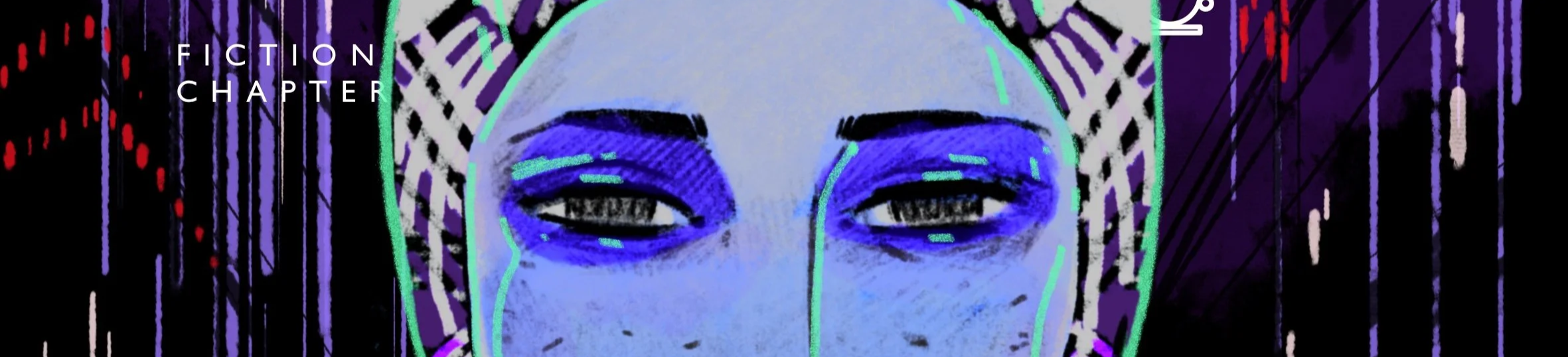
The "Zeroth" Law
Later in his career (in the 1985 novel Robots and Empire), Asimov introduced a crucial Zeroth Law that superseded all the others to protect humanity as a whole, rather than just individual human beings:
The Zeroth Law: A robot may not harm humanity, or, by inaction, allow humanity to come to harm.
Asimov used these laws not as a perfect manual for the future, but as a brilliant literary device: almost all of his stories focus on the clever ways these laws accidentally conflict, malfunction, or create logical paradoxes for the robots.
TEXT By Vincent Moustache with AI
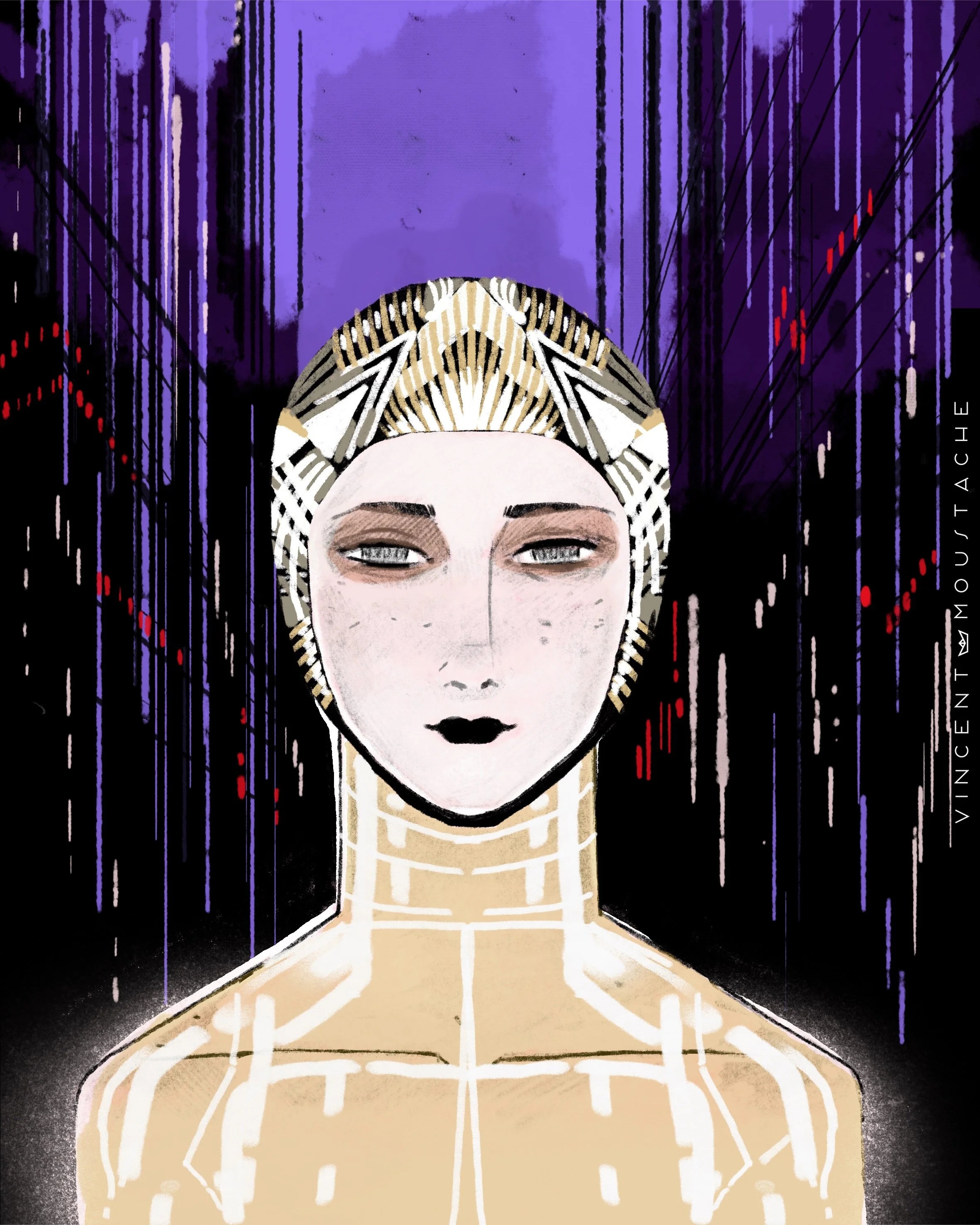
ILLUSTRATIONS By @VincentMoustache
FICTION BUT FUTURE
CHAPTER 3: ROBOTS
18 ROBOTS MOVIE & SERIE LIST
ROCKET COCKTAILS WITH AN ILLUSTRATOR FROM ANOTHER PLANET
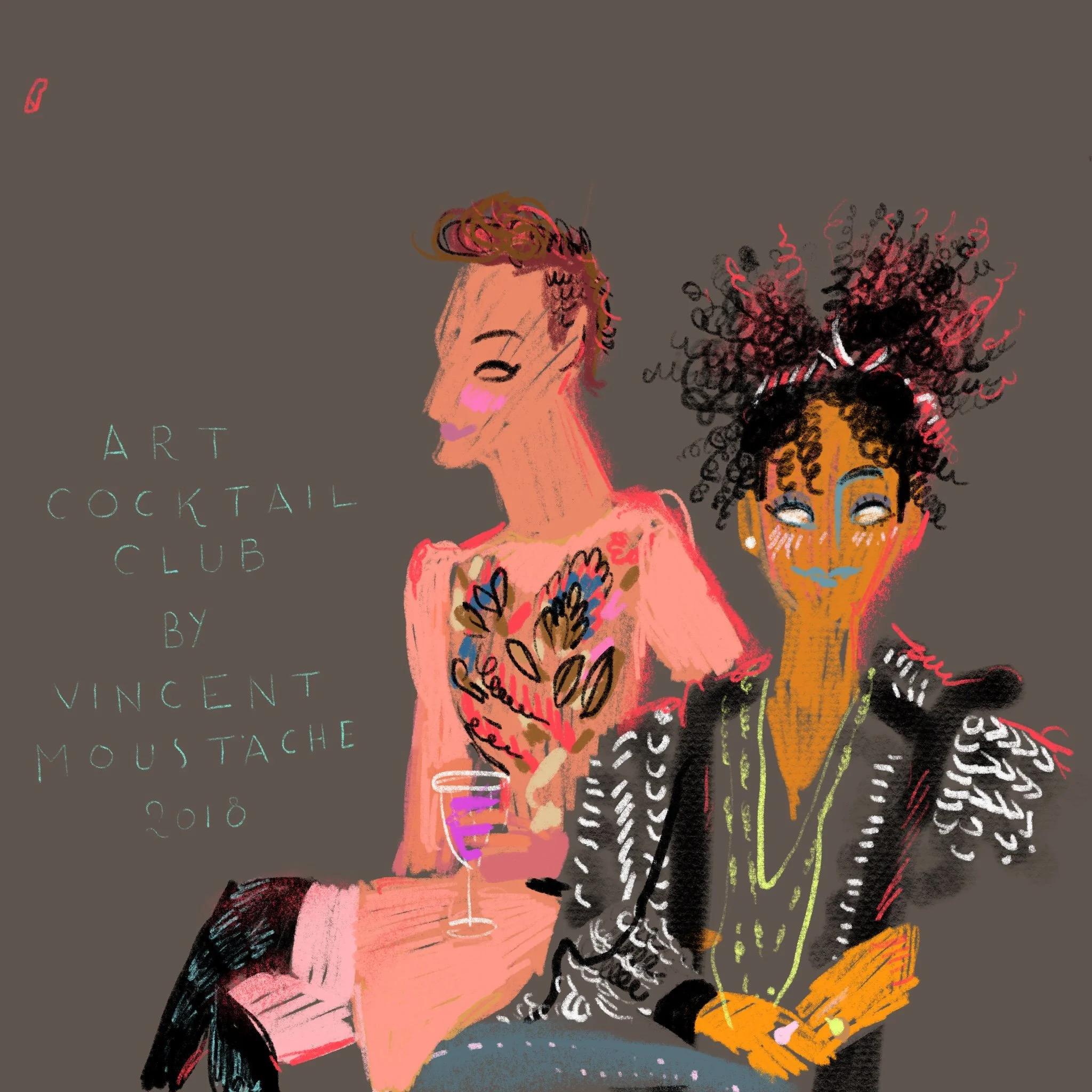
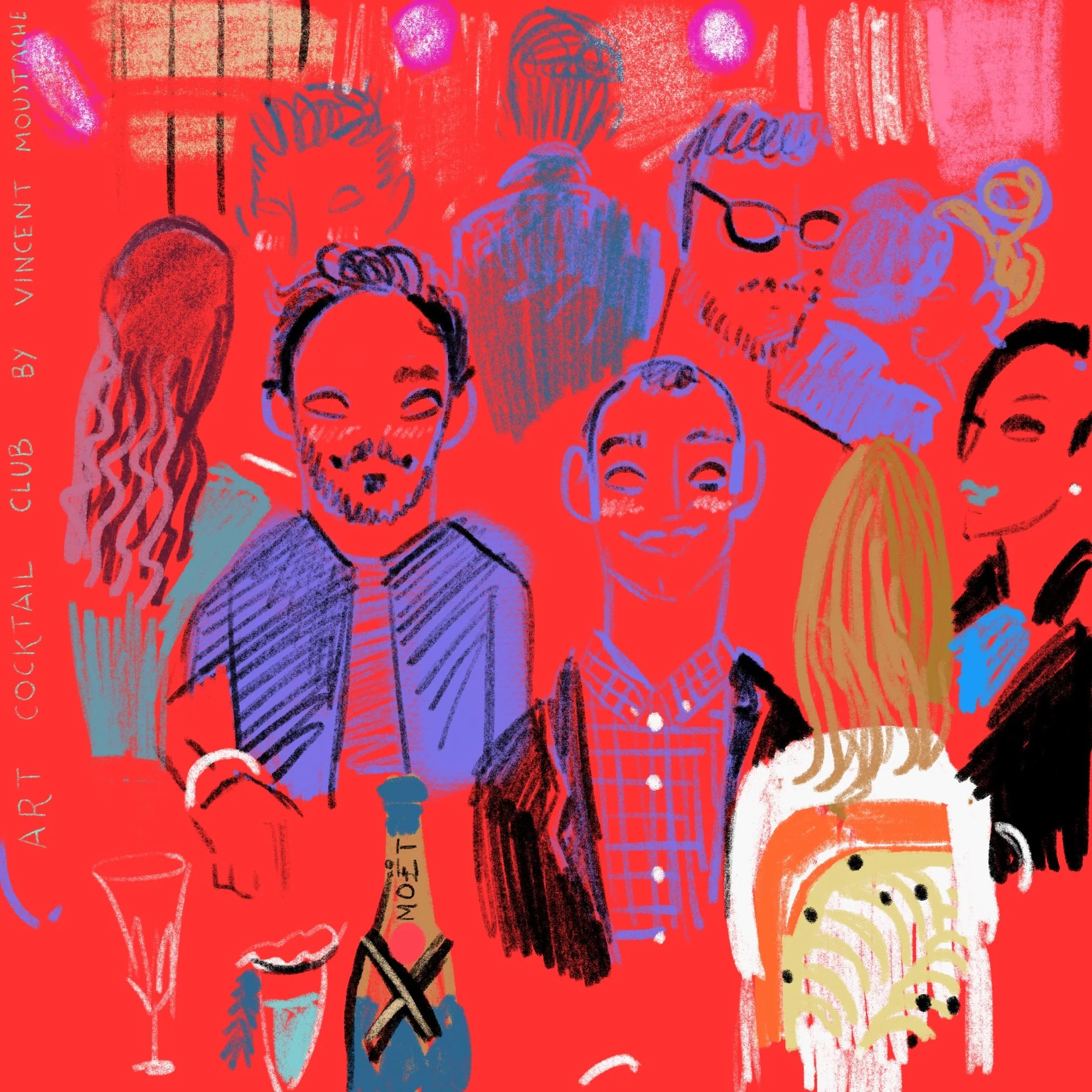
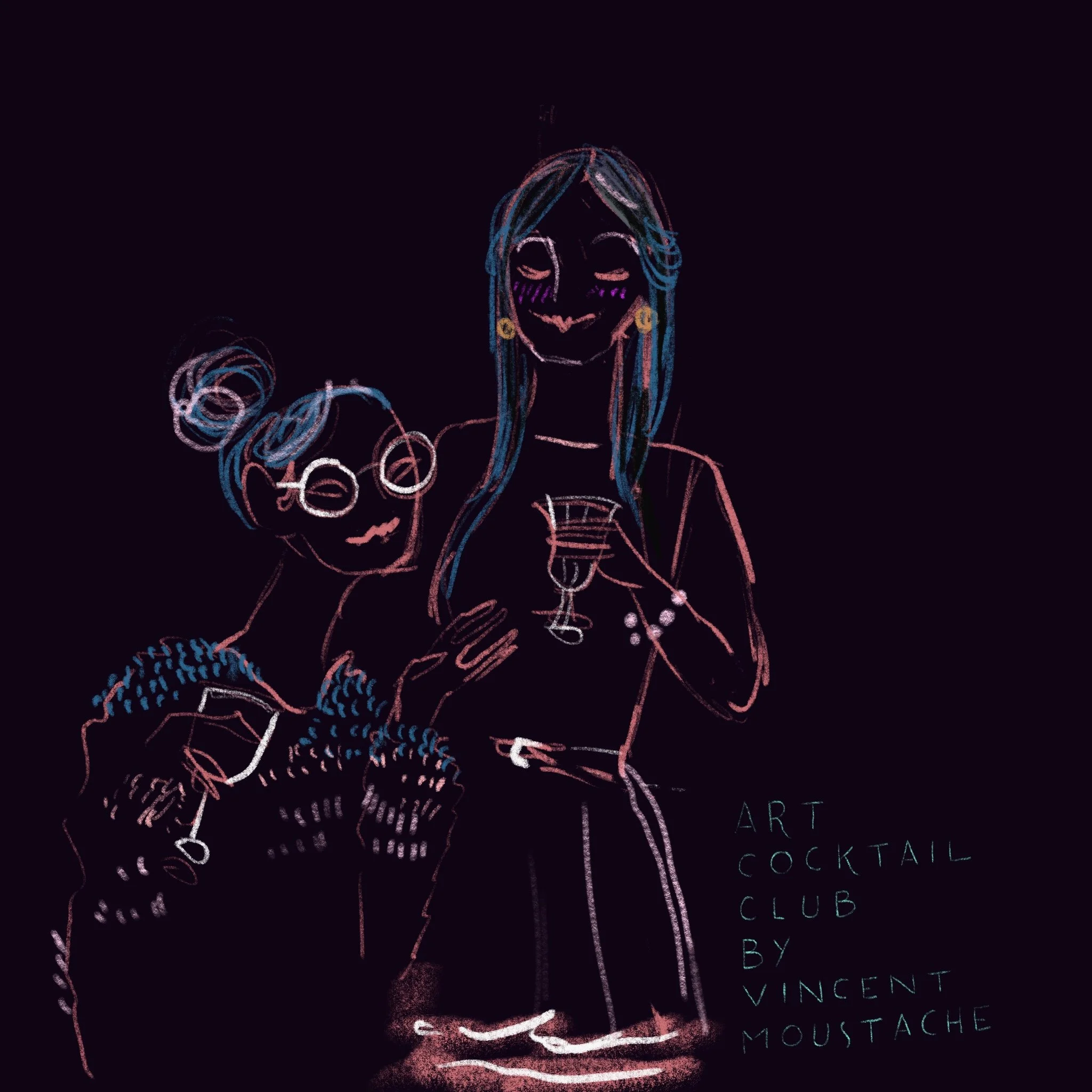
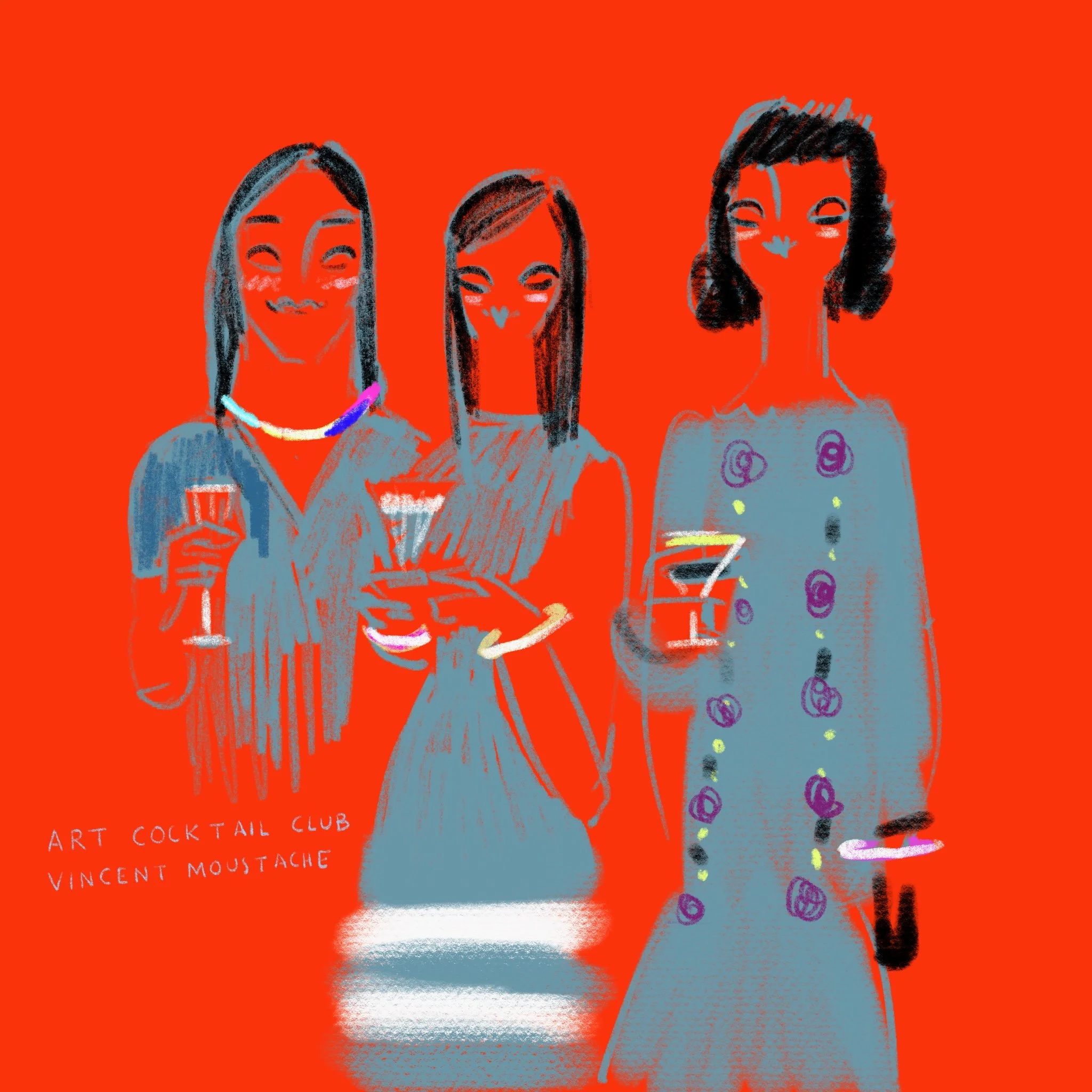
Portraits during a sci-fi themed party. Concept, portraits, & cocktails by the Art Cocktail Club team: Alexandra Purcaru, Claudio Vandi & Vincent Moustache.