FICTION BUT FUTURE CHAPTER 4: FUTURE
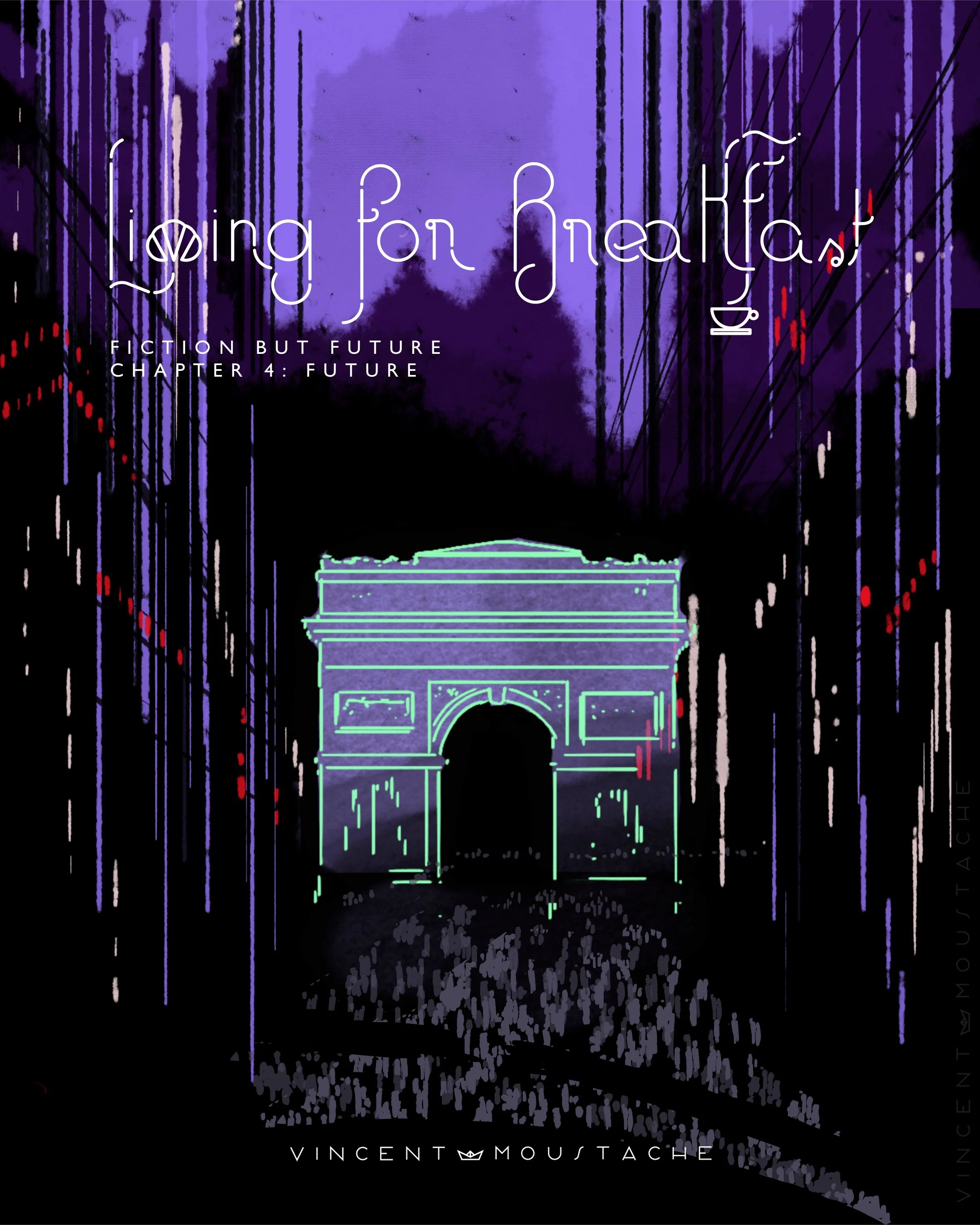


FICTION BUT FUTURE
CHAPTER 4: FUTURE
LA PARISIENNE
Dear Croissant,
this week we continue our journey through fiction, today to an imaginary future. At their core, utopias and dystopias are two sides of the same speculative coin. A utopia represents an idealized, perfect society where human suffering is minimized, while a dystopia projects our worst fears into a broken, highly controlled, or devastated future.
Here is a concise breakdown of how philosophers, theologians, and authors have shaped these concepts, along with their modern subgenres and their specific relationship with Paris.
1
Utopias vs. Dystopias: The Thinkers and Authors
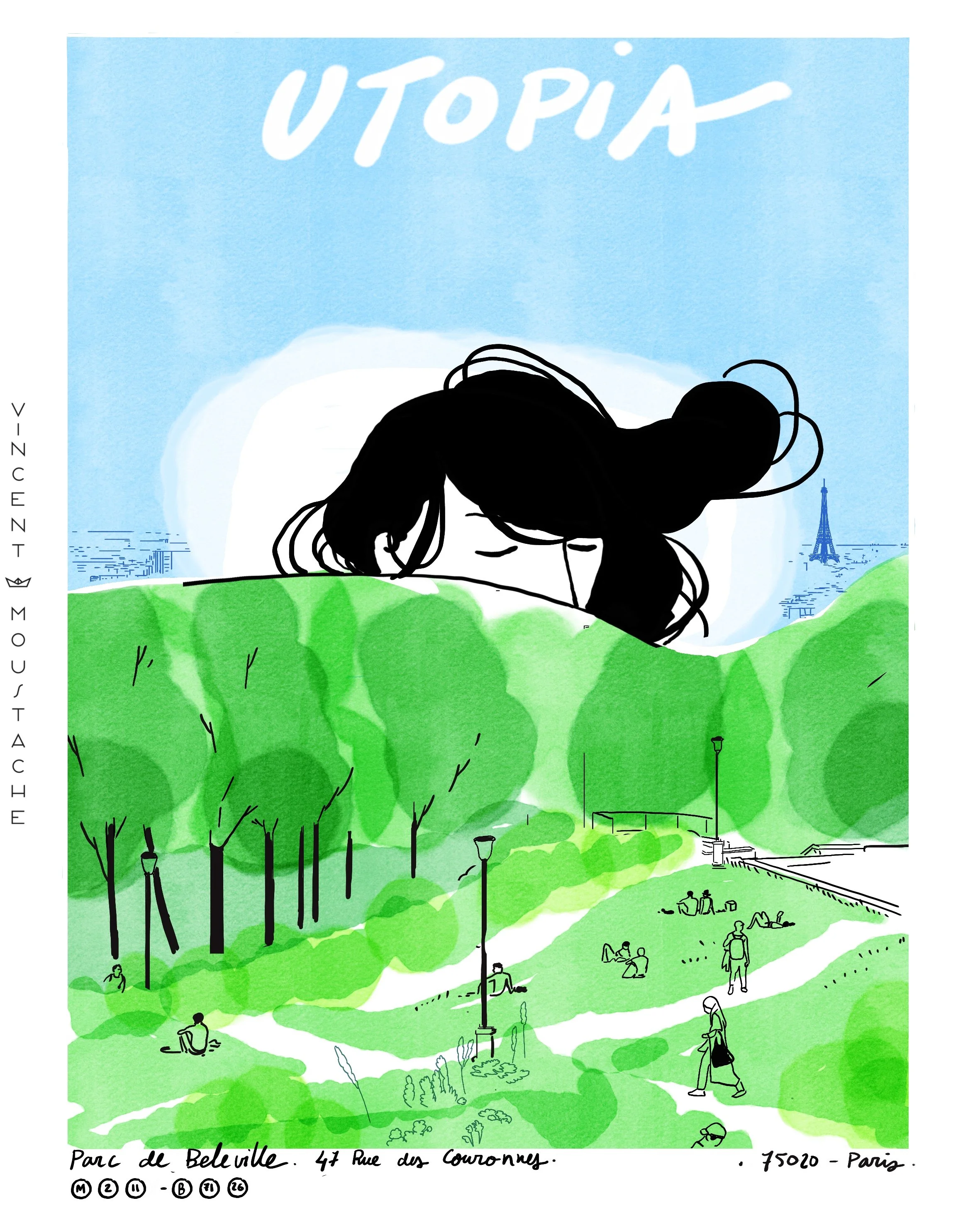
The Utopian Dream
The word "utopia" was coined by the English philosopher and statesman Sir Thomas More in his 1516 book Utopia, playing on the Greek words for "good place" (eutopia) and "no place" (outopia).
Philosophers & Theologians: Early utopias often carried deep religious or philosophical undertones. Plato’s The Republic laid the philosophical groundwork for a society ruled by wise philosopher-kings. Later, theologist Tommaso Campanella wrote The City of the Sun (1602), depicting a highly egalitarian, deeply spiritual society led by a supreme priest.
Subgenres:
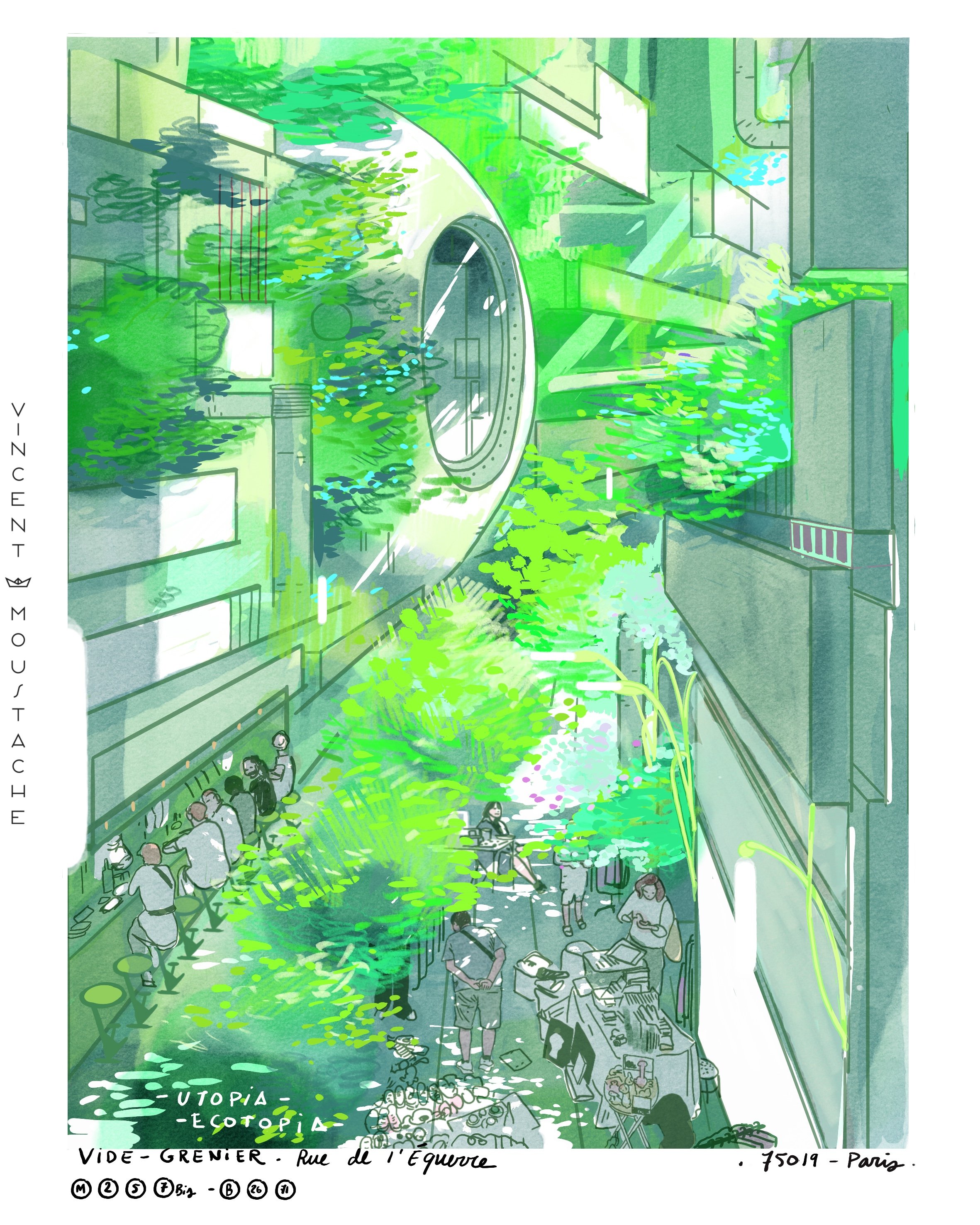
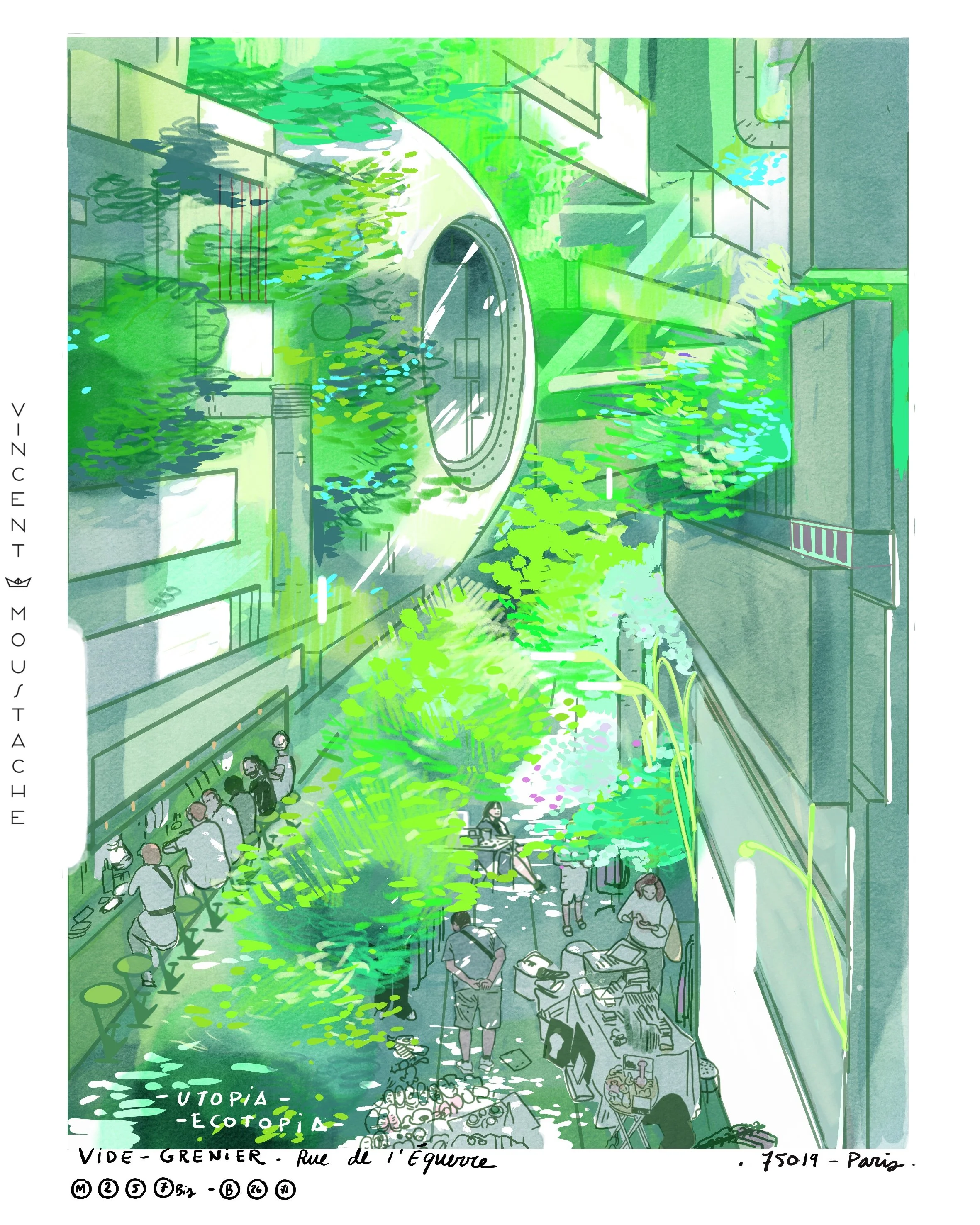
Ecotopia: Communities focused on ecological balance and sustainability.
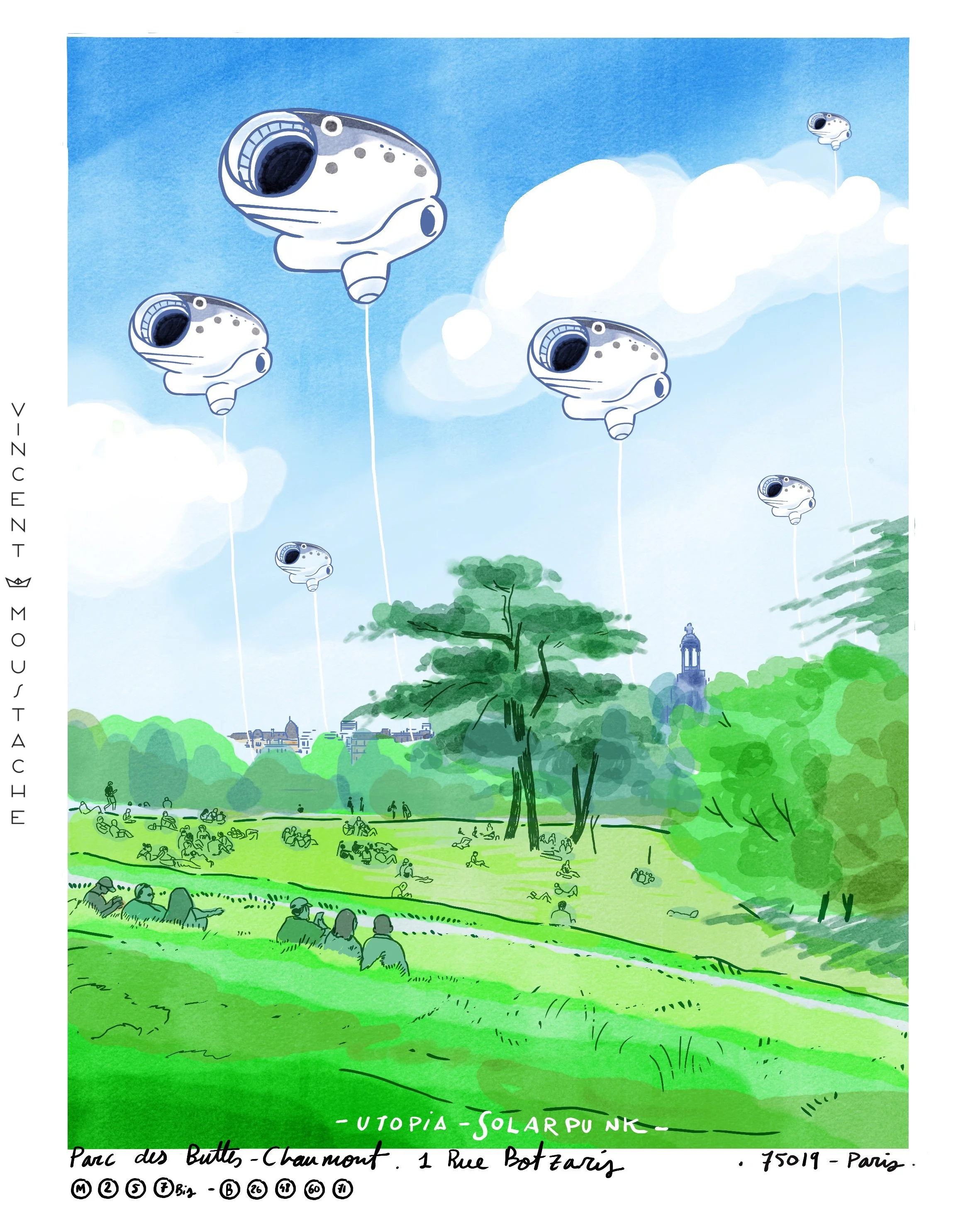
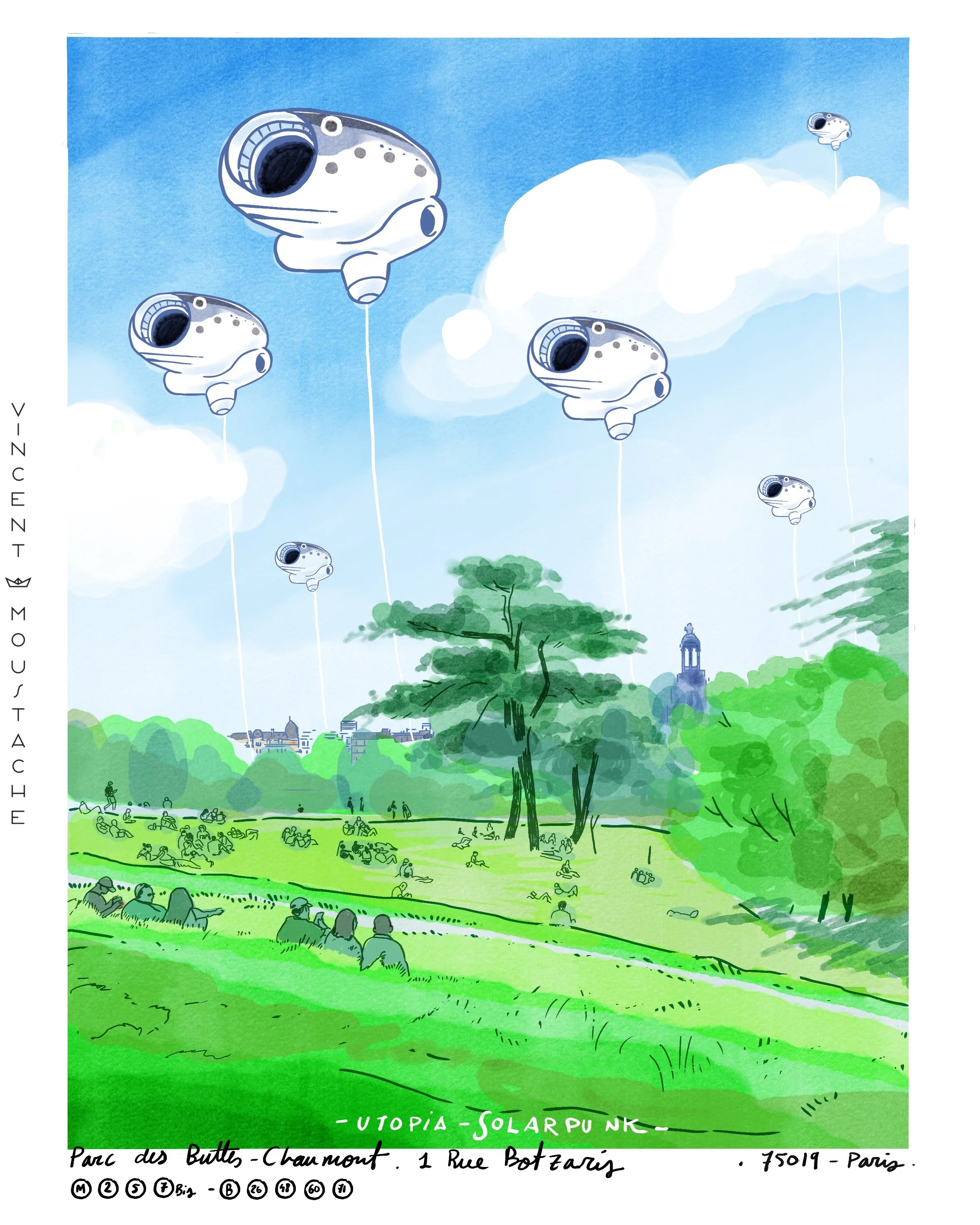
Solarpunk: A vibrant modern subgenre of utopia. Unlike the grimy, smoke-filled futures of Cyberpunk, Solarpunk visualizes a high-tech, sustainable world powered by renewable energy (especially solar). It blends Art Nouveau aesthetics with community-driven, green engineering, showing humanity living in harmony with nature.
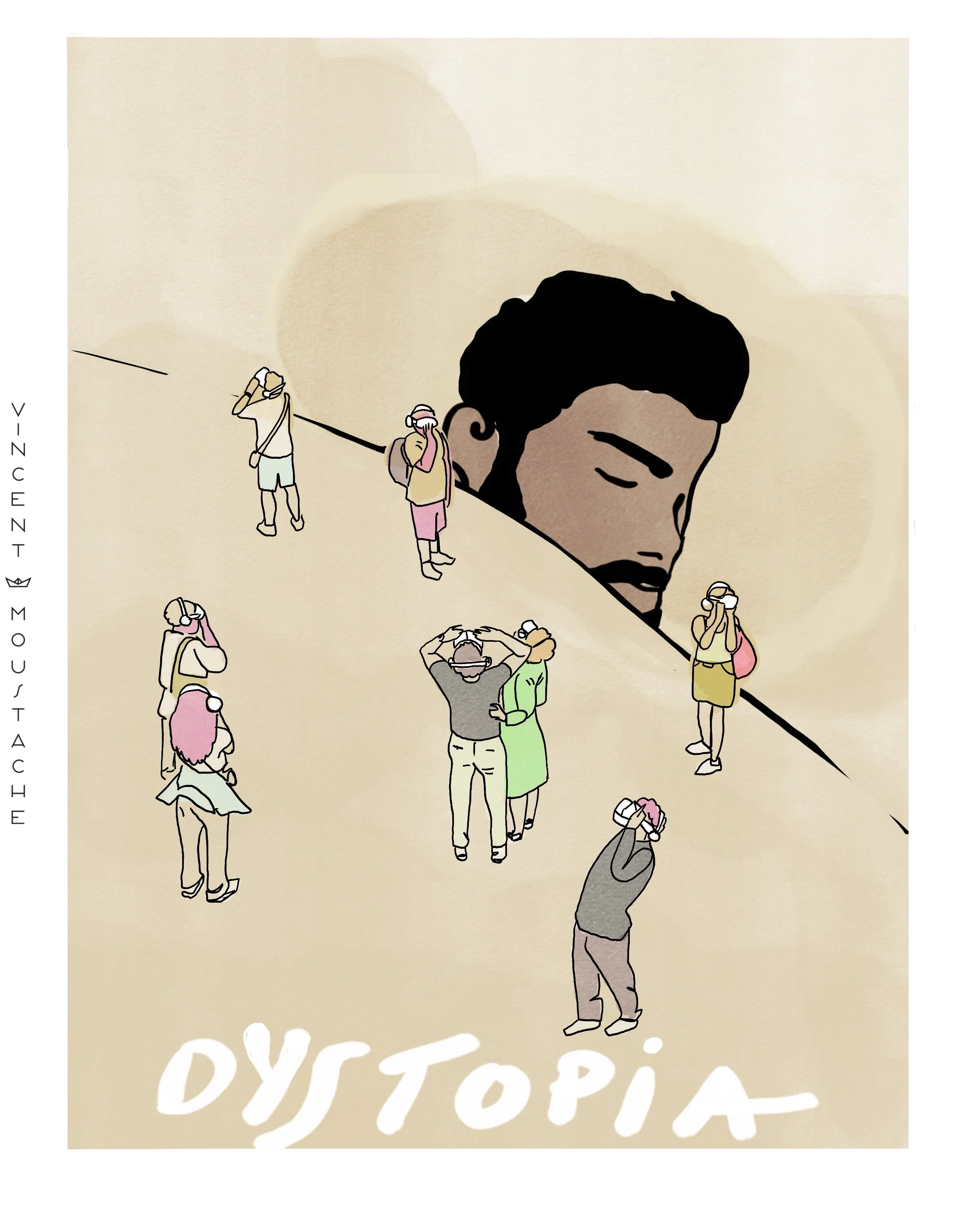
The Dystopian Nightmare
Dystopias emerge when social engineering goes wrong, using technology, bureaucracy, or totalitarianism to strip away human freedom.
Authors & Philosophers: Thinkers like Hannah Arendt analyzed the real-world mechanics of totalitarianism, which directly inspired authors. The pillars of dystopian literature include George Orwell’s 1984 (surveillance state), Aldous Huxley’s Brave New World (technological, pleasure-induced conformity), and Ray Bradbury’s Fahrenheit 451 (censorship).
Subgenres:
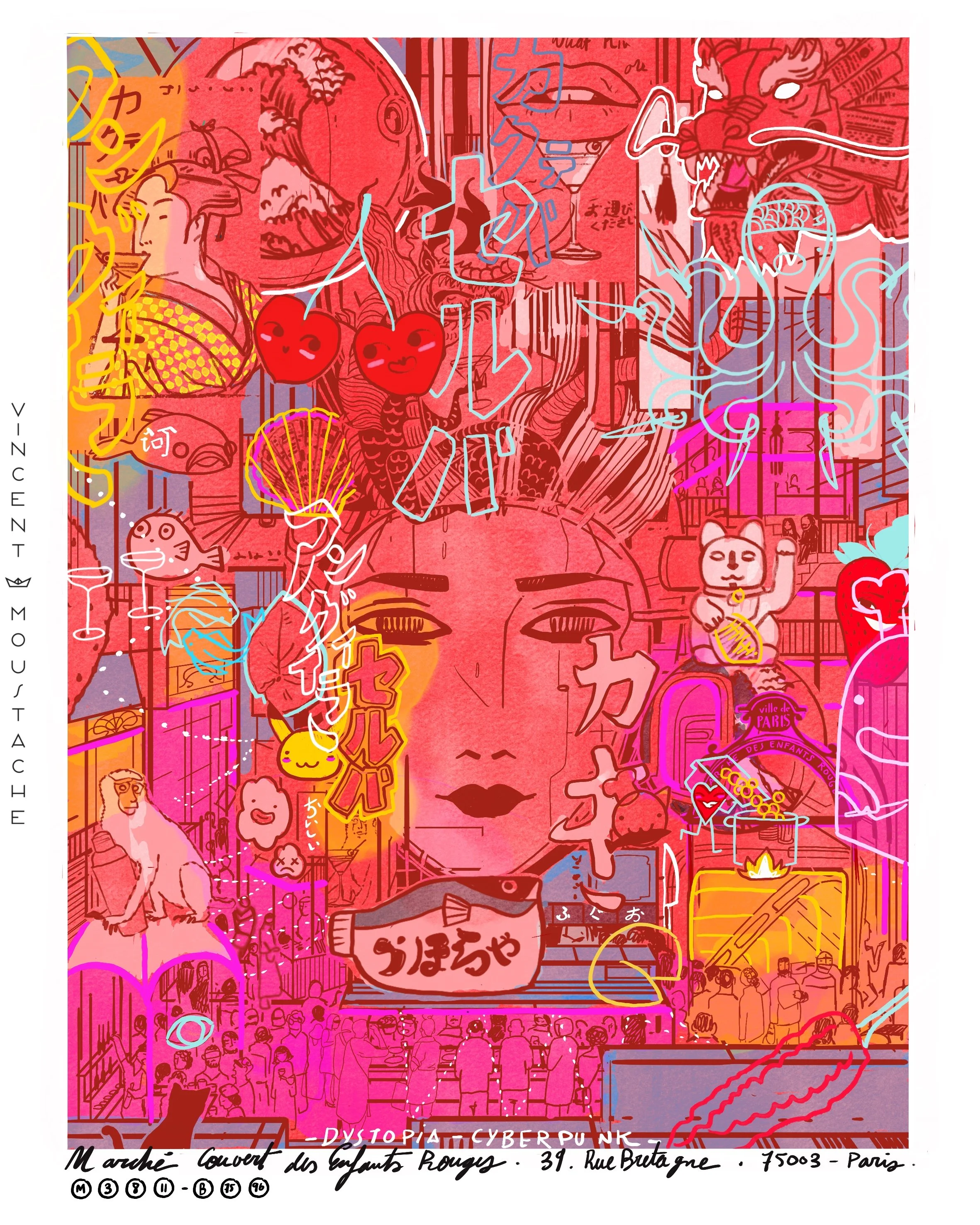
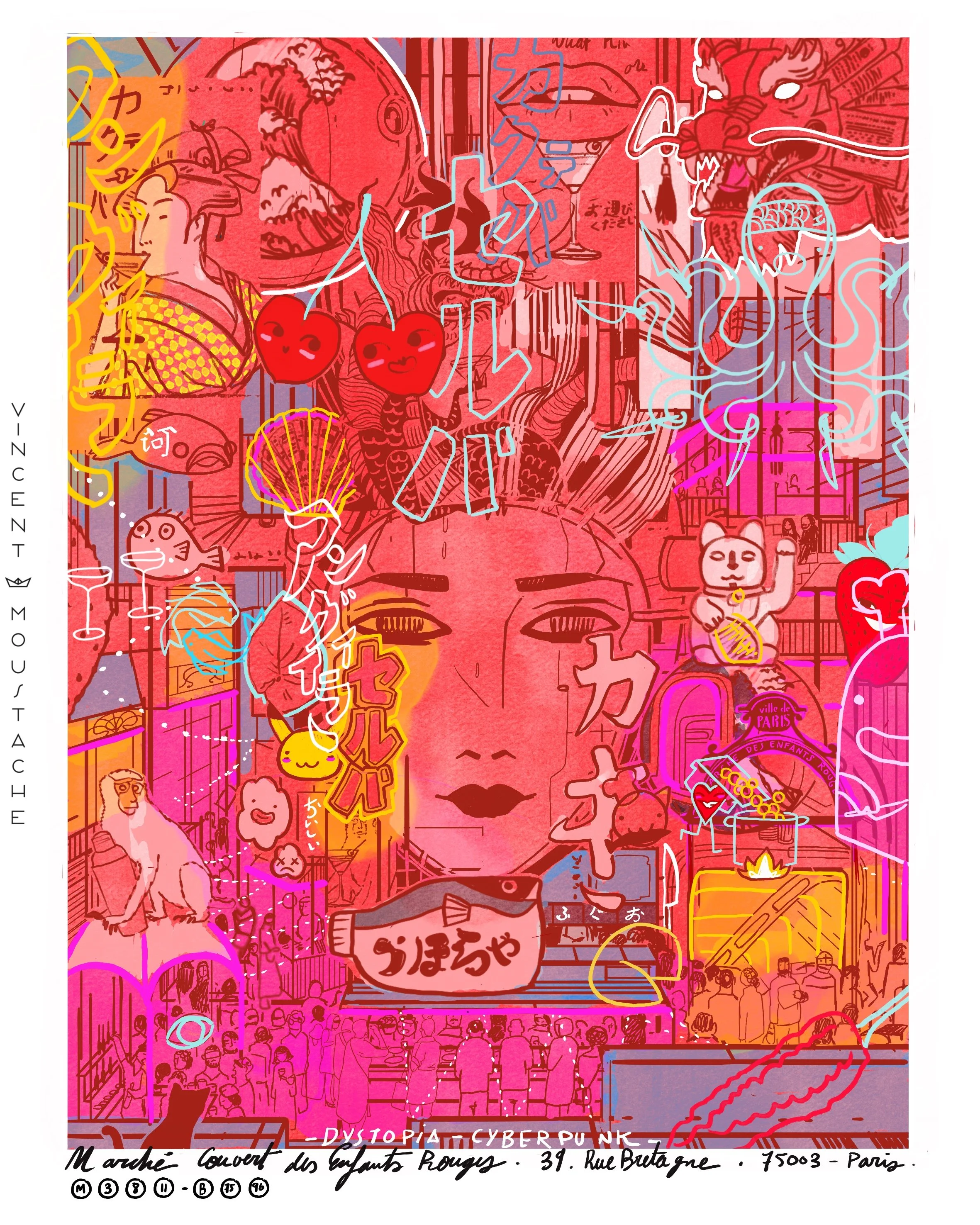
Cyberpunk: High tech, low life (e.g., Blade Runner).
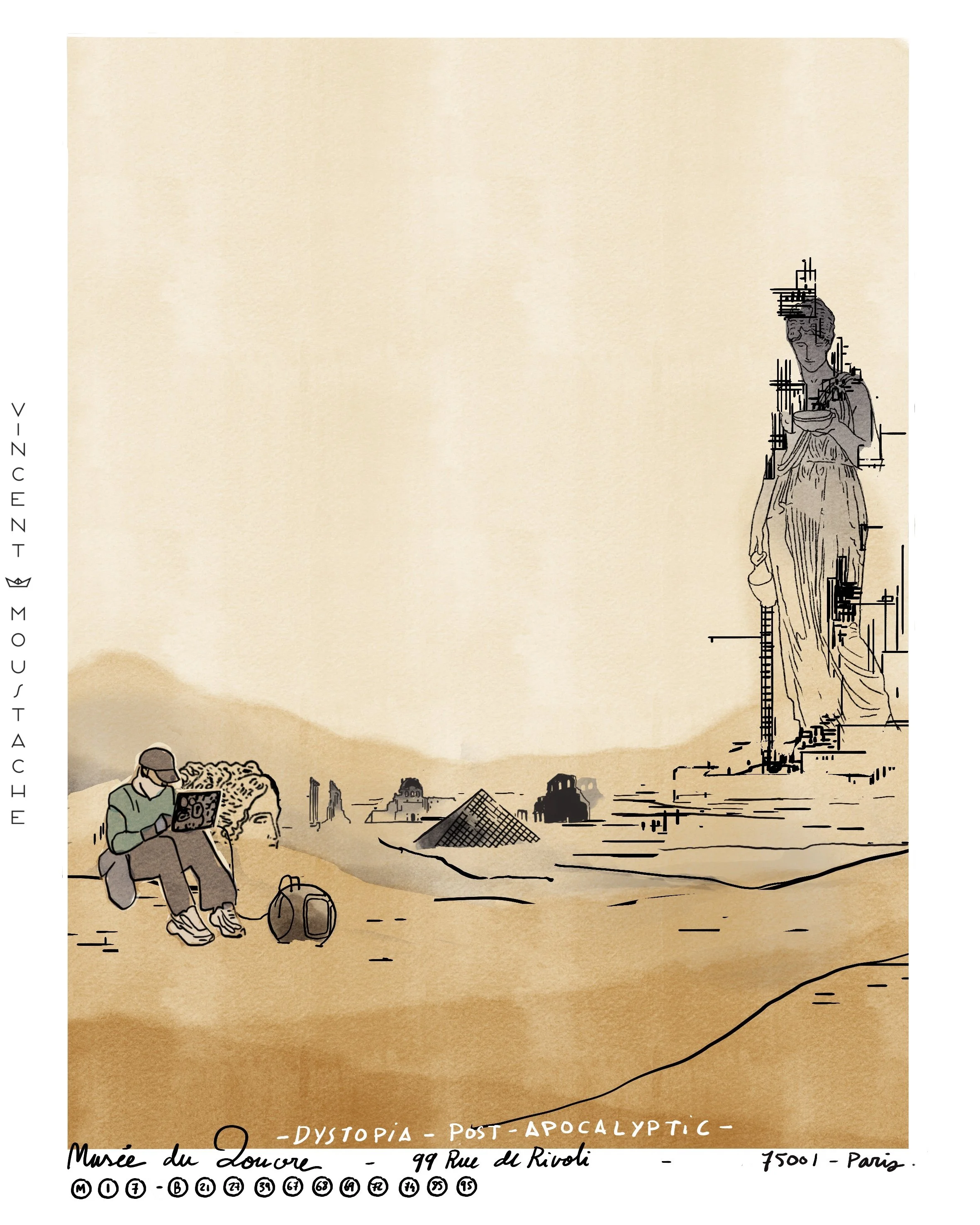
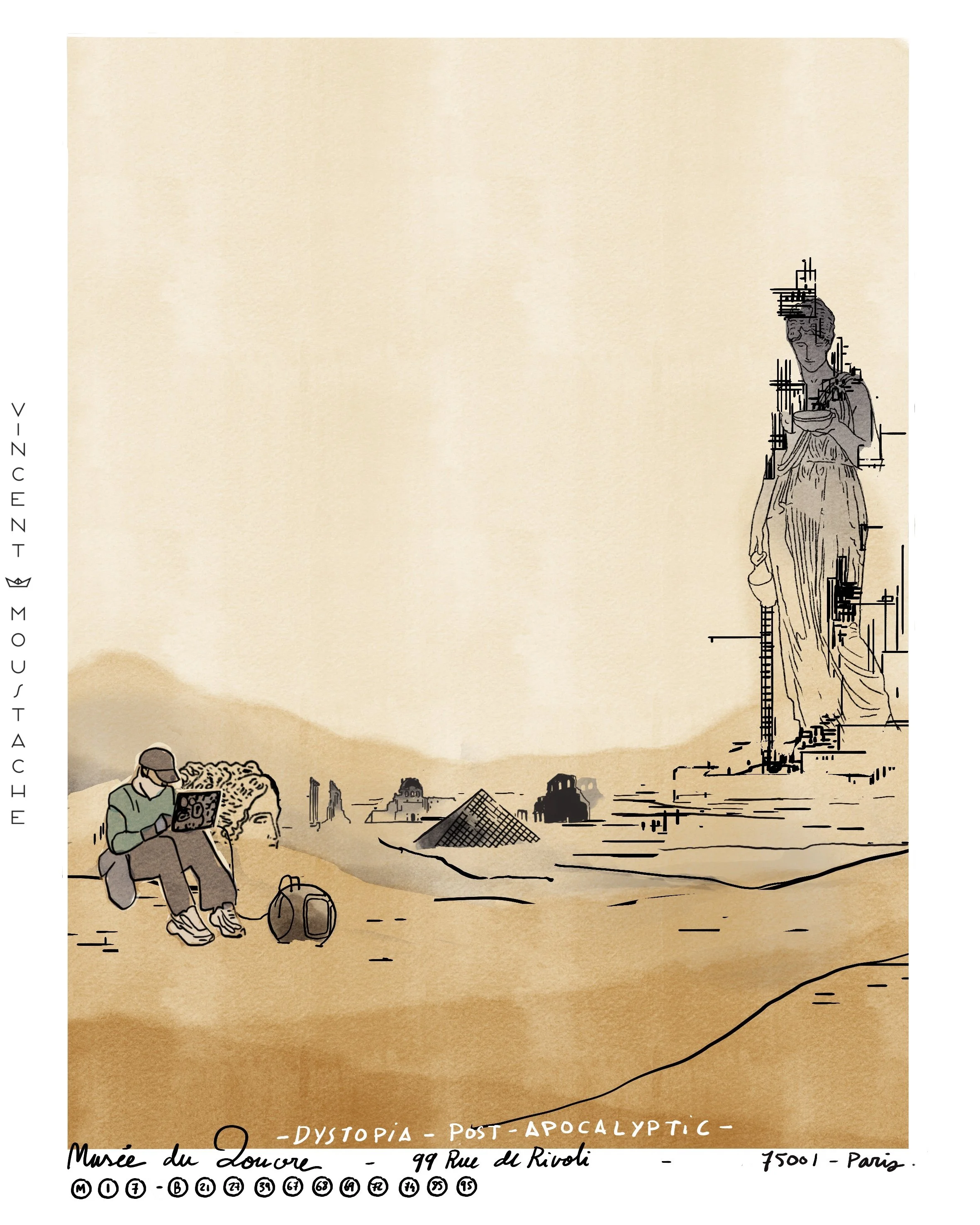
Post-Apocalyptic: Society trying to rebuild after total collapse (e.g., Mad Max, The Walking Dead).
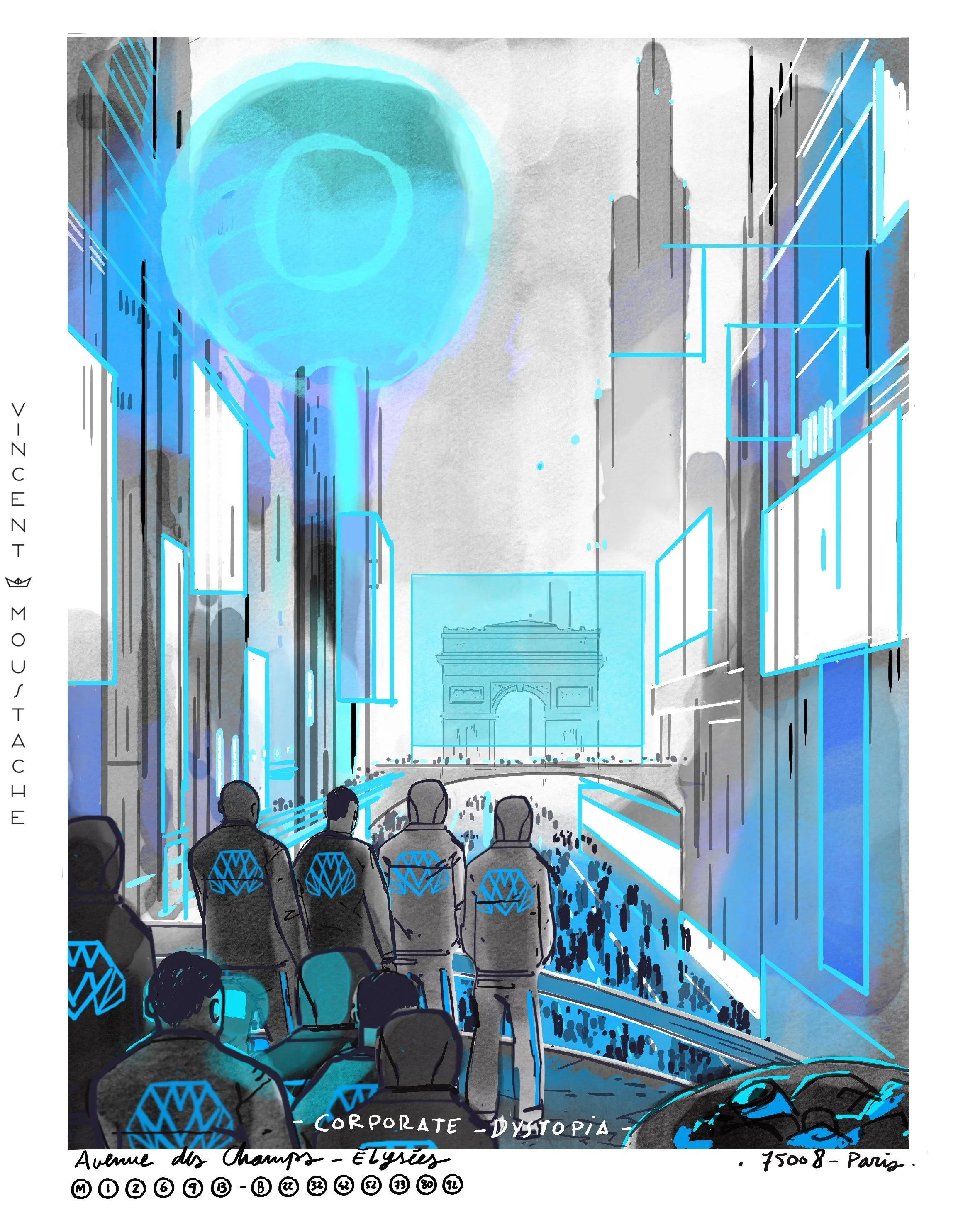
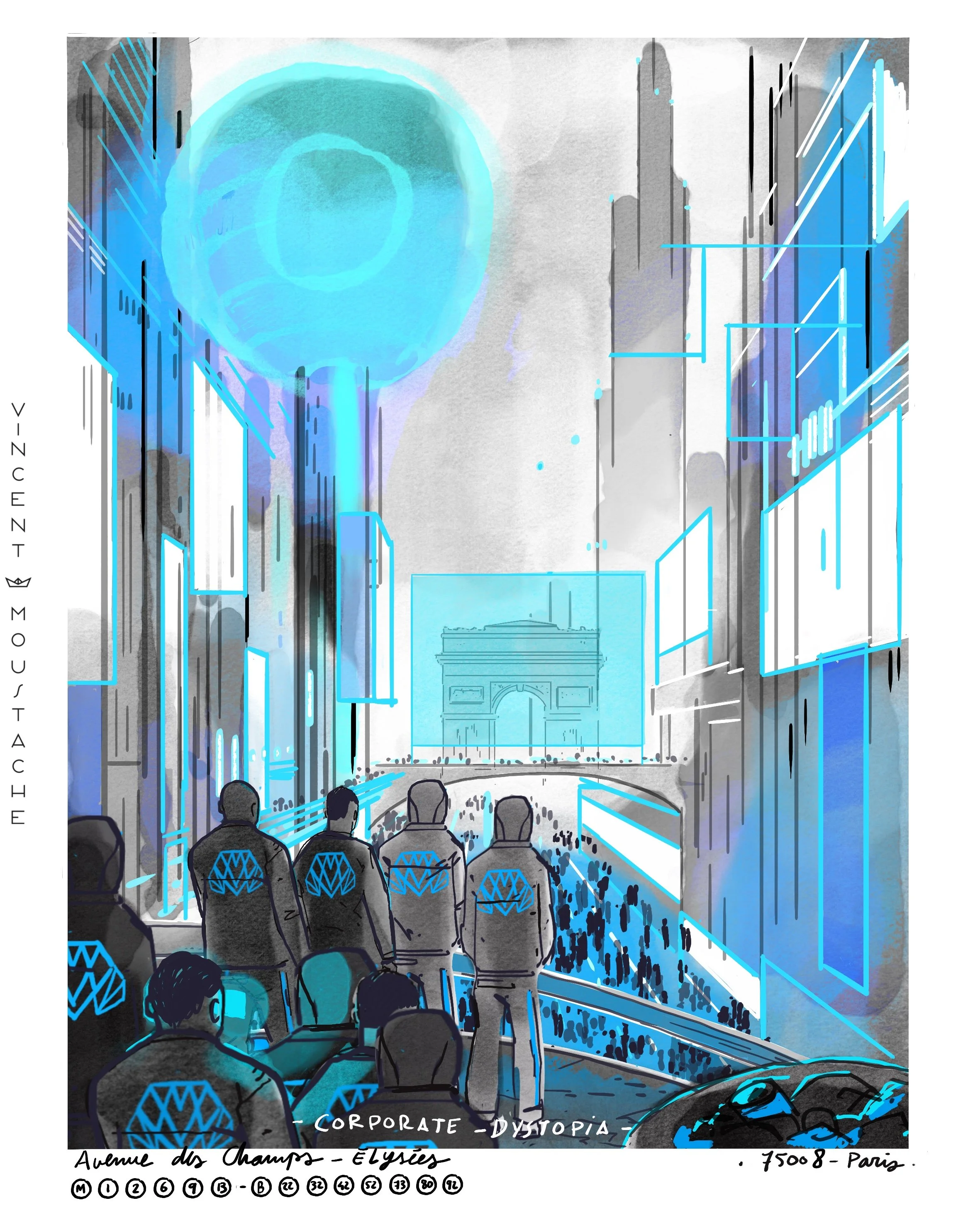
Corporate Dystopia: Megacorporations holding more power than governments.
2
Dystopia in Focus: The Handmaid's Tale
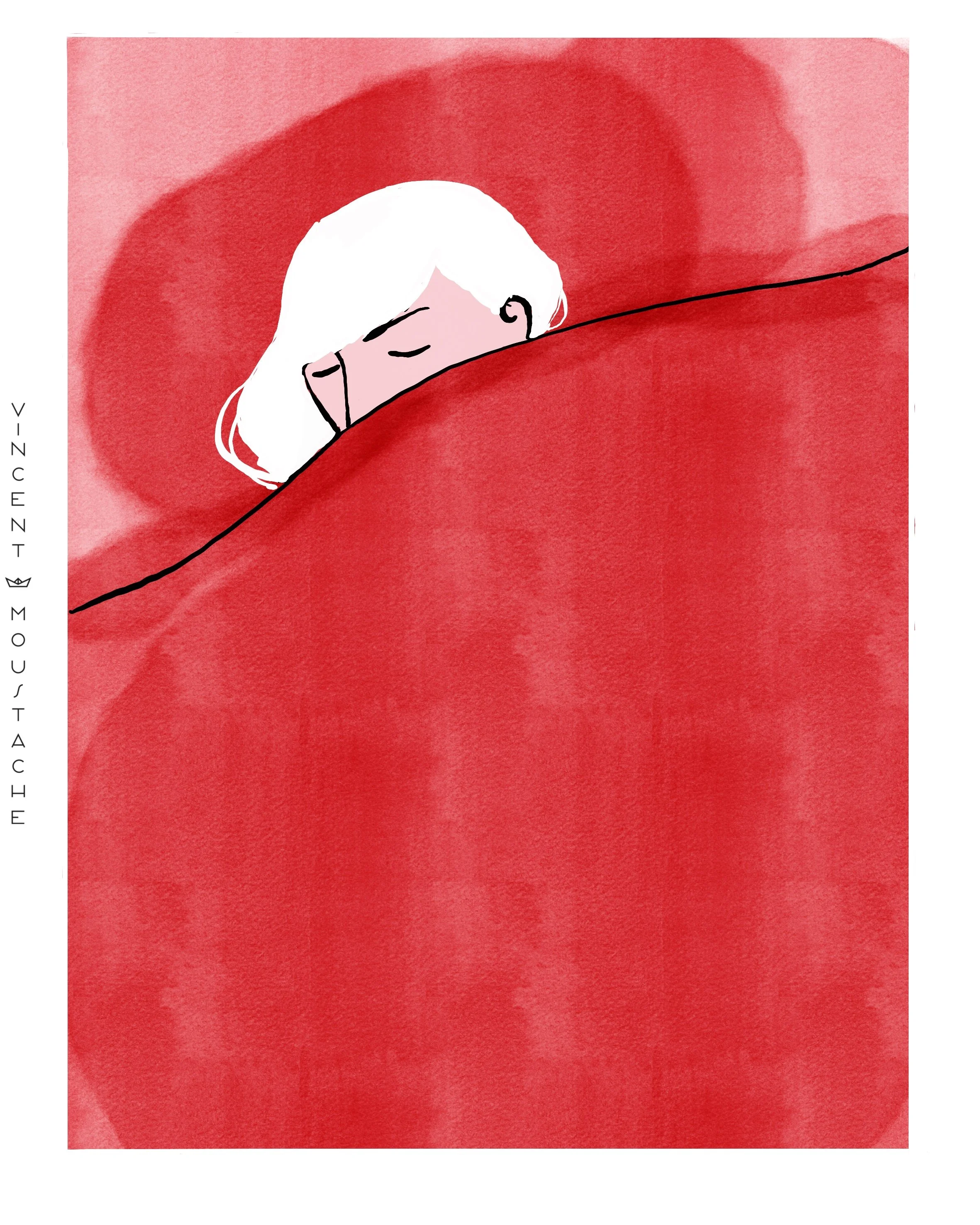
Margaret Atwood’s The Handmaid's Tale (both the iconic novel and the celebrated TV series) stands as a masterpiece of Theocratic Dystopia.
Atwood paints a chilling portrait of Gilead, a regime that overthrows the US government in response to a fertility crisis. What makes this work so terrifyingly distinct is Atwood’s strict rule during writing: she did not include any atrocity that hadn’t already occurred in real human history.
By combining religious fundamentalism with the systematic stripping of women's rights, the story explores how easily a modern democracy can slip into autocracy when fear and fanaticism take over.
3
Paris: Visions of Utopia and Dystopia
Paris, with its rigid Haussmann architecture and rich history of revolution, has frequently been cast into both utopian and dystopian futures across literature, cinema, and graphic arts.
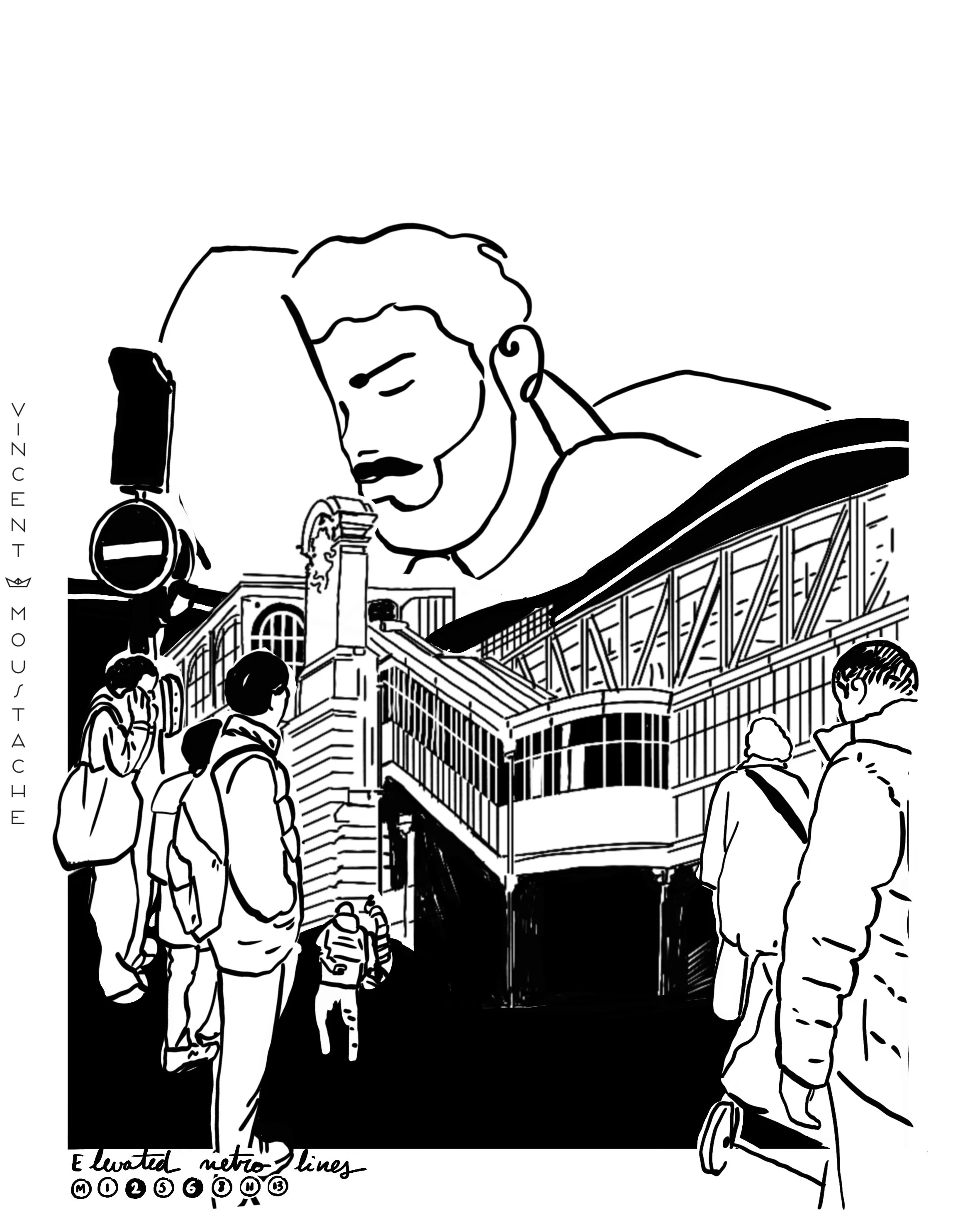
The Dystopian Paris
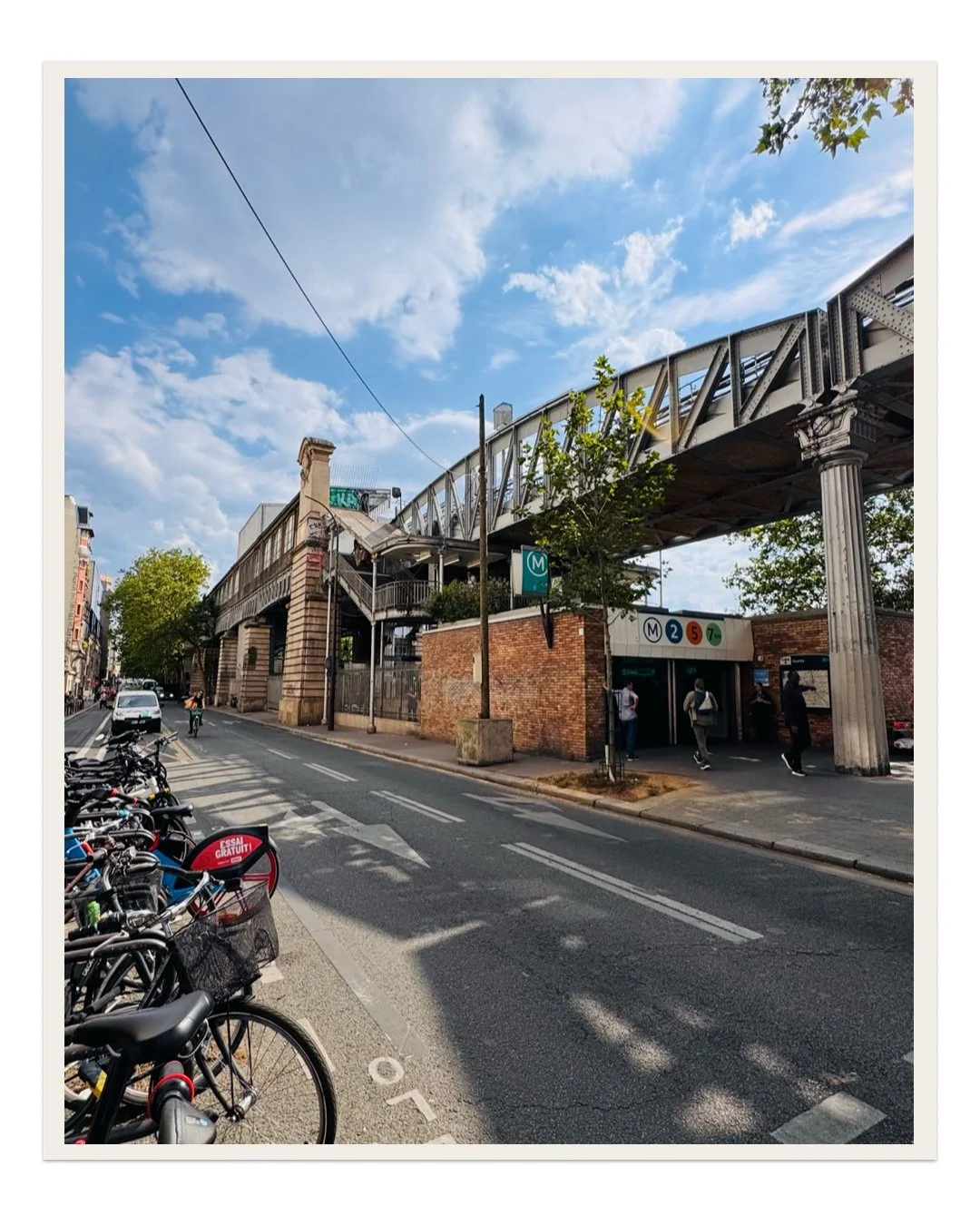
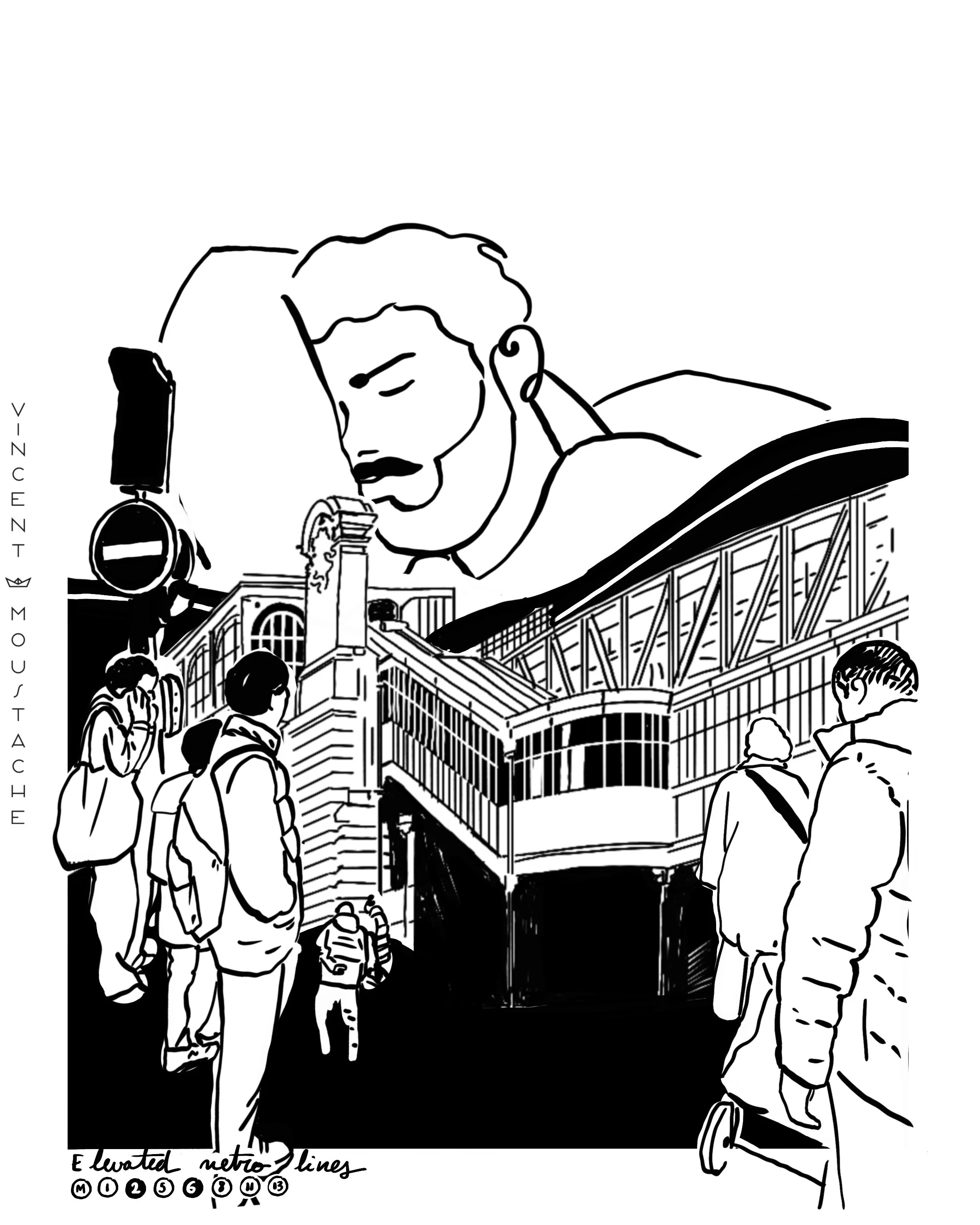
Literature: Jules Verne’s lost novel, Paris in the Twentieth Century (written in 1863, published in 1994), offers a strikingly grim view of a 1960s Paris. It predicts a city filled with glass skyscrapers, elevated trains, and electronic calculators, but one where art, poetry, and literature have been entirely crushed by cold, corporate commercialism.
Cinema/Series: In films like La Jetée (1962), Paris is reduced to post-nuclear radioactive ruins underground. More recently, the sci-fi anime movie Evangelion: 3.0+1.0 Thrice Upon a Time prominently features a red-tinted, completely frozen, and mechanical Parisian landscape under siege.
The Utopian and Retro-Futuristic Paris: François Schuiten
When it comes to visual storytelling, the legendary Belgian illustrator François Schuiten has completely redefined how we see speculative architecture, particularly through his landmark graphic novel series Les Cités Obscures (created alongside Benoît Peeters).
Schuiten’s style sits beautifully at the intersection of Steampunk, Solarpunk, and classic 19th-century industrial design. His connection to Paris is legendary:
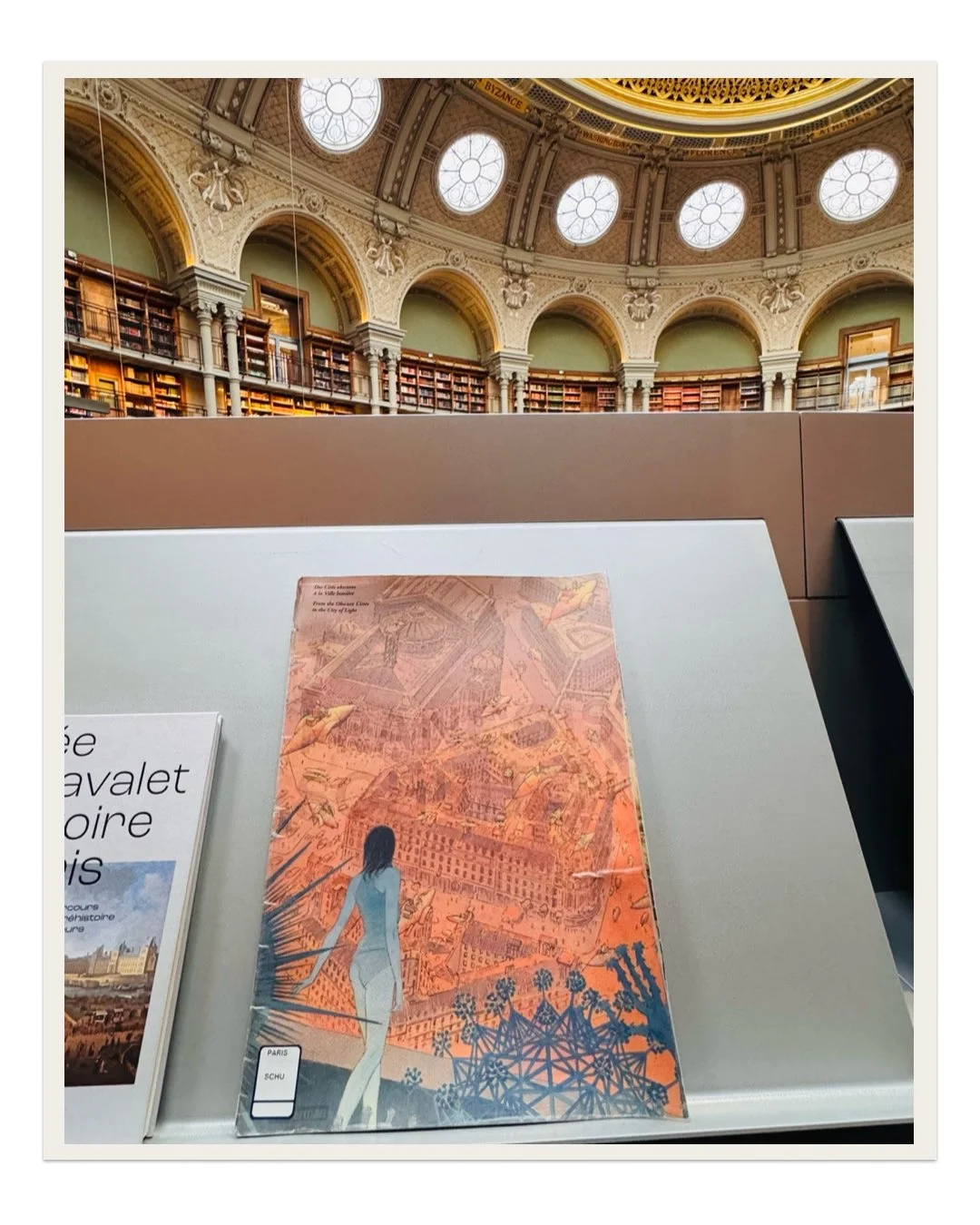
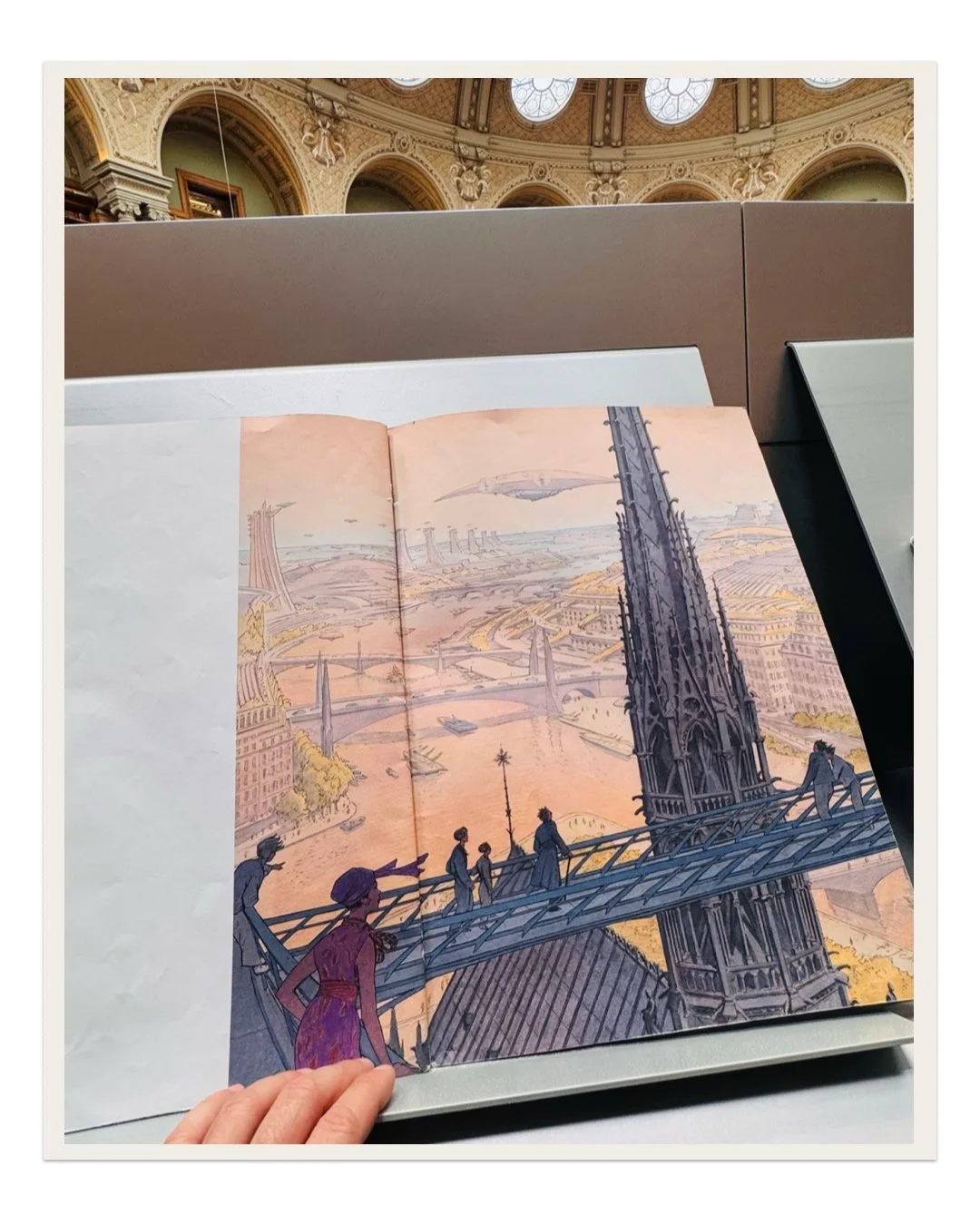
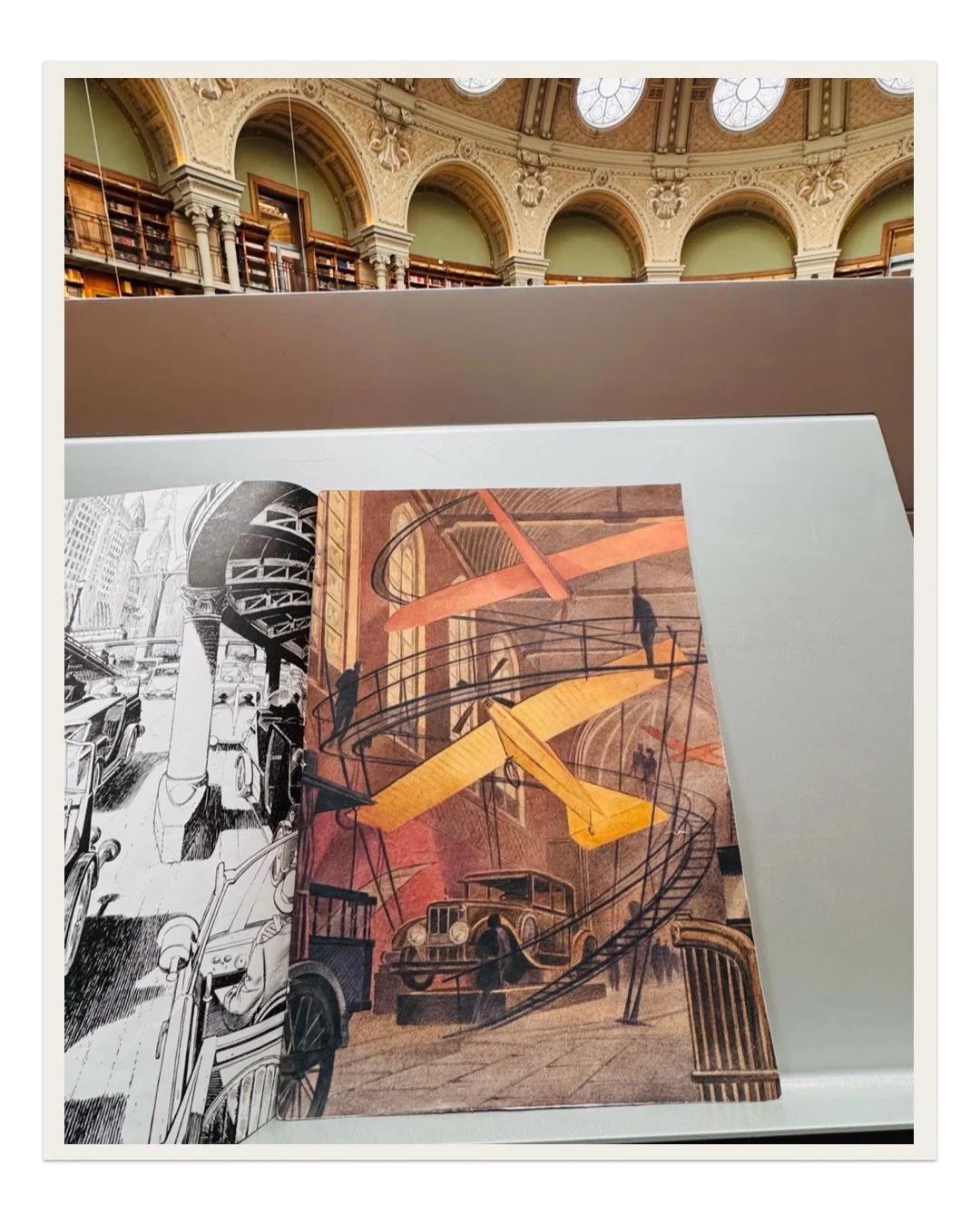
Revoir Paris (graphic novel): Schuiten explicitly reimagines a futuristic capital where the Eiffel Tower rises amid translucent megastructures and floating vehicles, perfectly balancing historical memory with utopian projection.
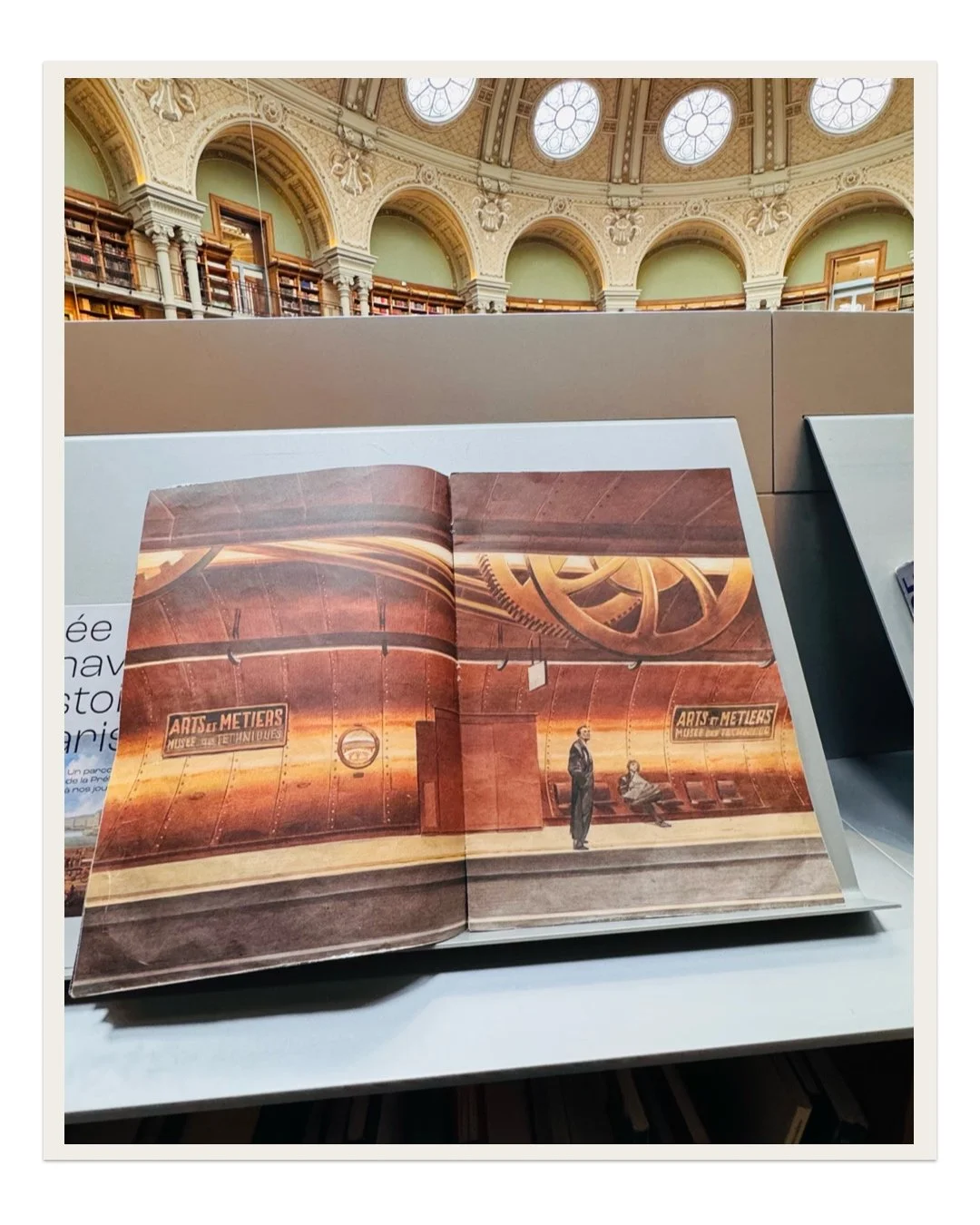
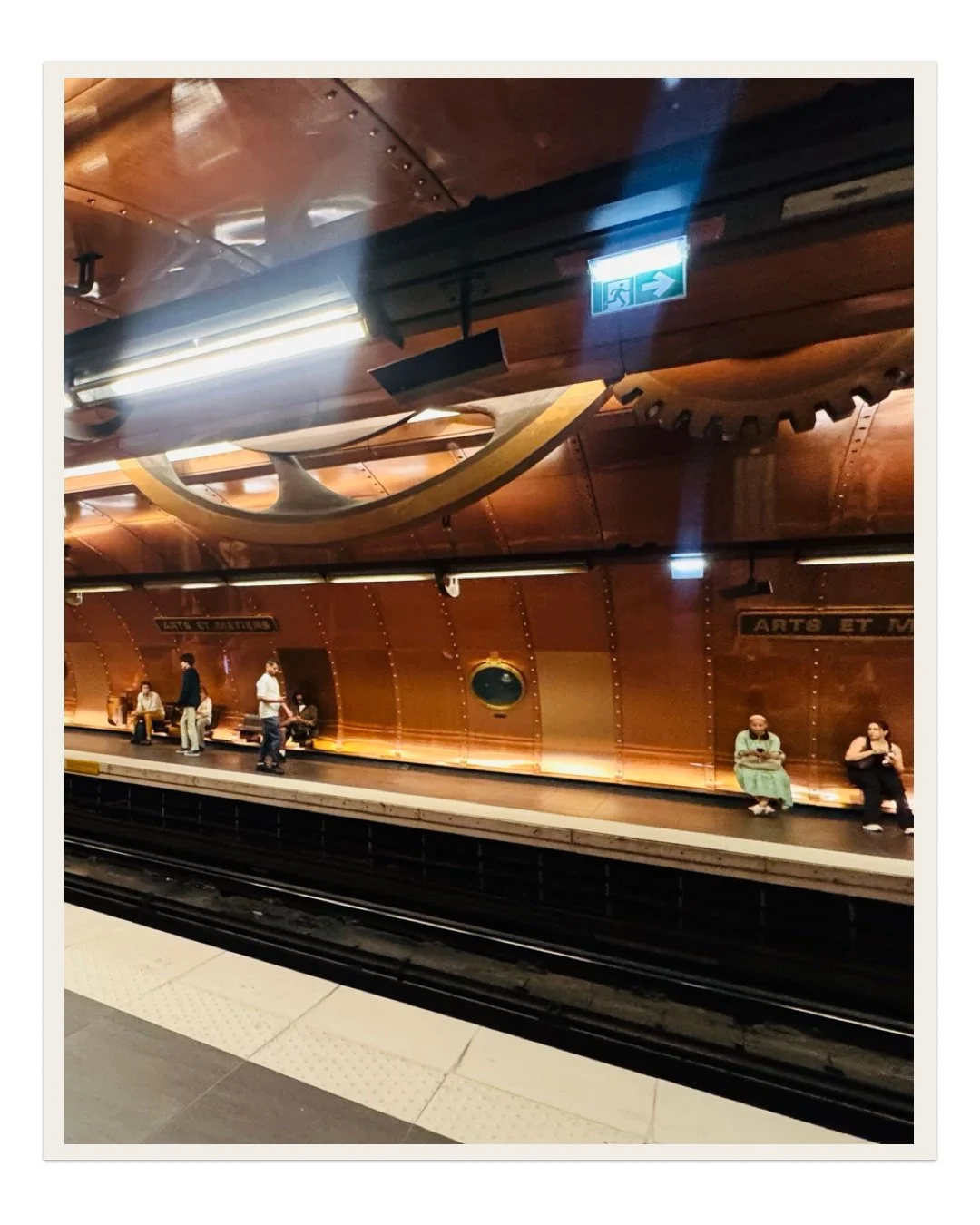
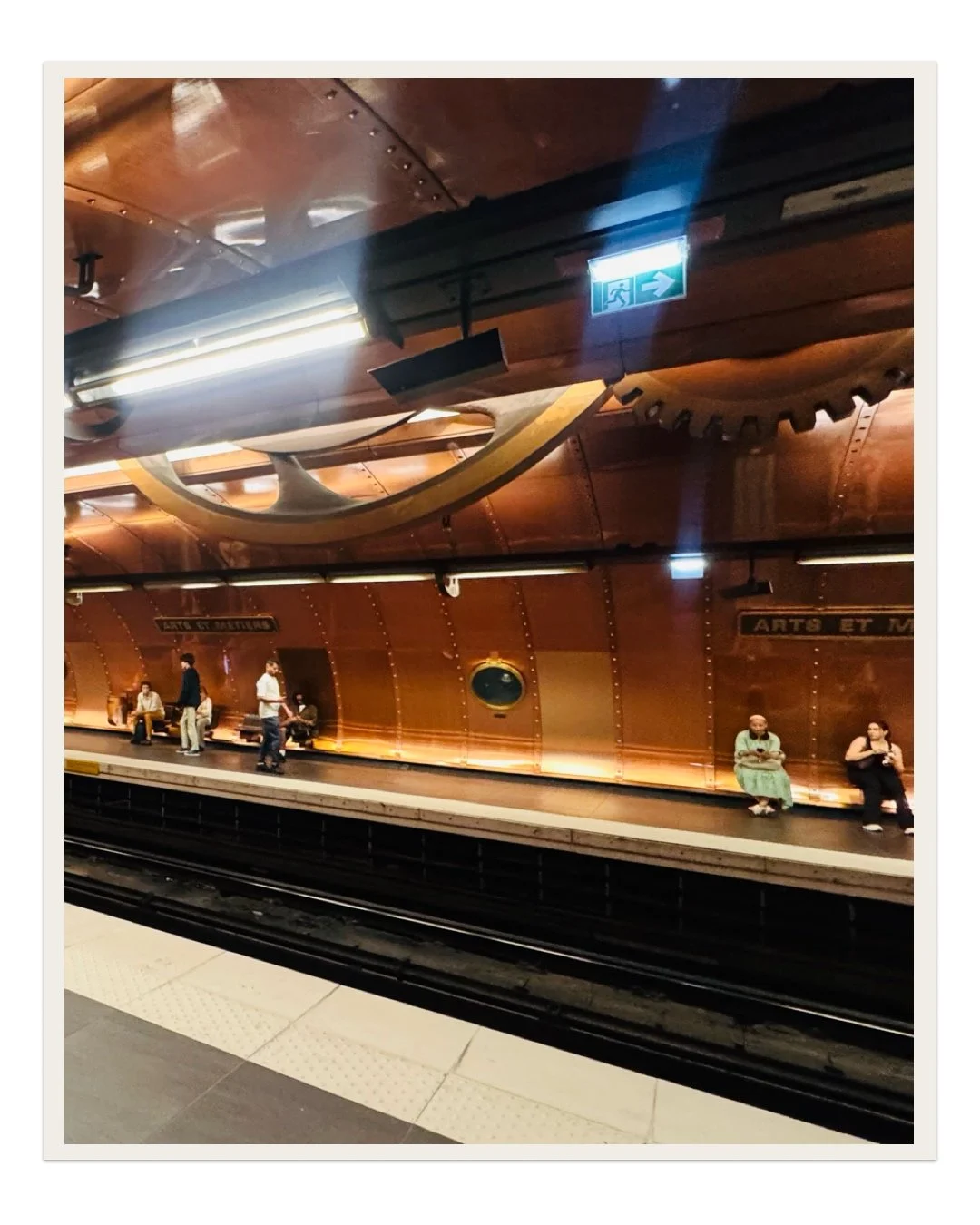
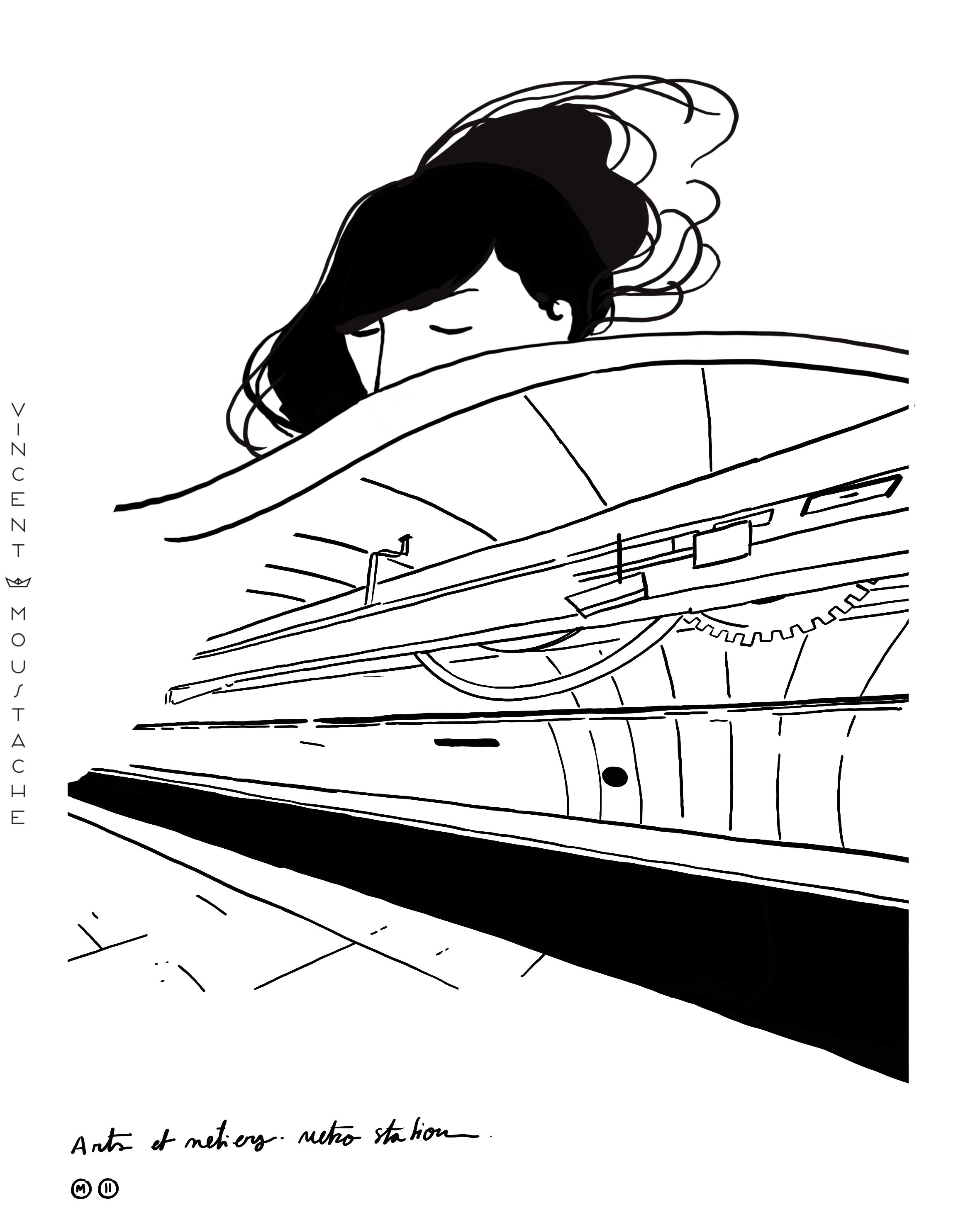
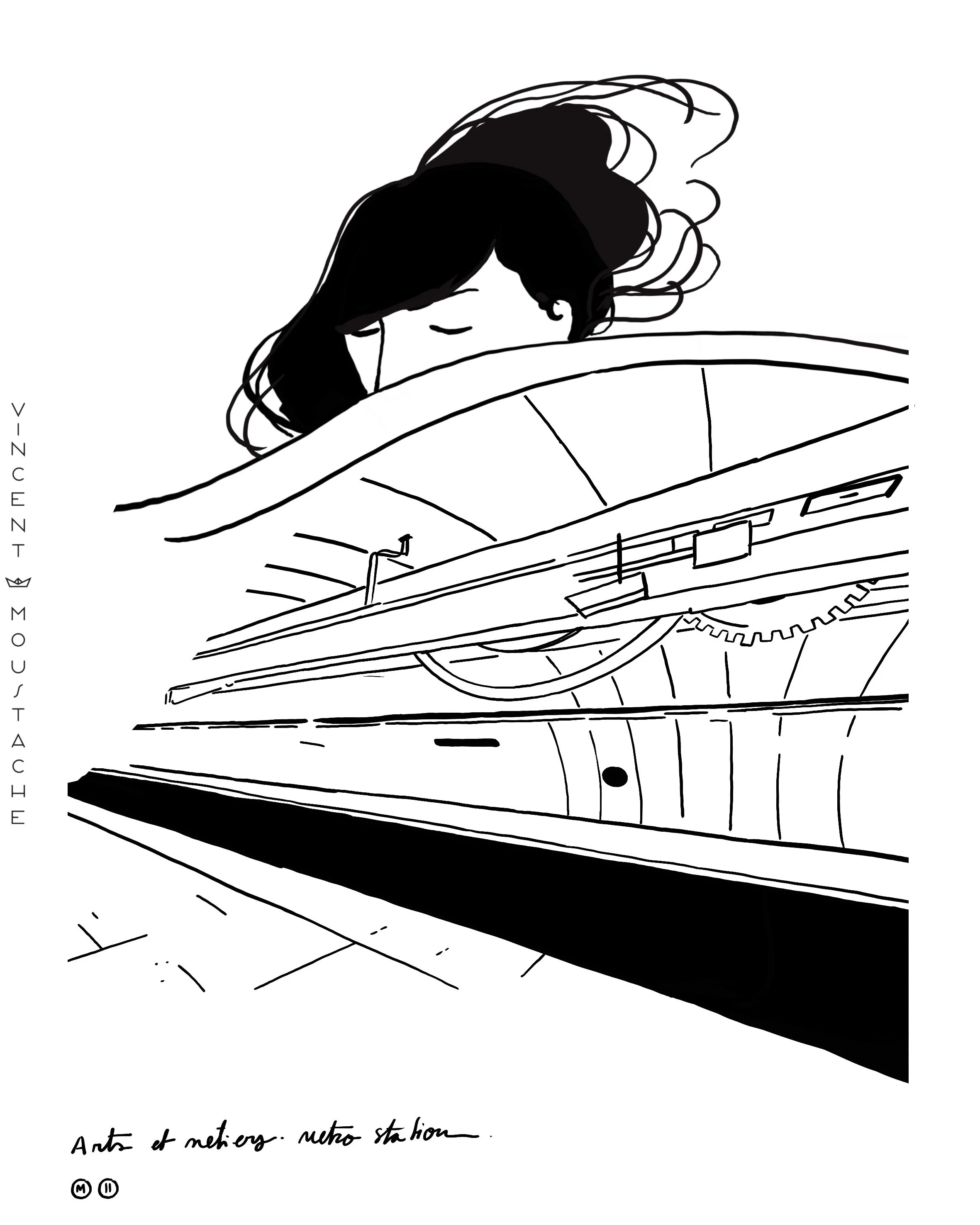
Arts et Métiers Métro Station: You can actually step inside a Schuiten creation in real life. He designed the Arts et Métiers subway station in Paris to look like a giant copper submarine straight out of Jules Verne’s 20,000 Leagues Under the Sea, complete with portholes and massive exposed gears on the ceiling.
Through Schuiten's intricate, line-drawn style, Paris transforms into a living architectural dream—a poetic reminder that our cities are shaped entirely by the limits of our imagination.
FICTION BUT FUTURE CHAPTER 4: FUTURE, MOVIE SERIE LIST
1. The Handmaid's Tale (TV Series)
Release Year: 2017–Present
Creator/Director: Created by Bruce Miller.
Based on a Book: Yes, the 1985 novel The Handmaid's Tale by Margaret Atwood.
Synopsis: In a near-future world facing a catastrophic fertility crisis, a totalitarian, religious regime called Gilead overthrows the United States. Fertile women, stripped of all rights, are forced into sexual servitude as Handmaids to bear children for the ruling elite.
Why it is Dystopian: It is a terrifying theocratic dystopia that explores the ultimate loss of individual autonomy. It highlights how religious extremism, institutionalized misogyny, and state-sanctioned surveillance can completely crush human rights under the guise of solving a societal crisis.
2. Black Mirror (TV Series)
Release Years: 2011–2025
Network: Netflix
Synopsis: An anthology series where each standalone episode holds up a dark mirror to contemporary society, exploring the unintended, often horrific consequences of near-future technologies, social media, and artificial intelligence.
Why it is Dystopian: It represents a technological/cyberpunk-adjacent dystopia. Instead of giant evil empires, the villain is often our own dependency on technology. It shows how tools meant to connect us (like ratings, consciousness transfer, or advanced VR) can easily be twisted into tools for psychological torture, social isolation, and corporate control.
3. Tomorrowland (Movie)
Release Year: 2015
Director: Brad Bird
Note: Inspired by Disney's futuristic theme parks.
Synopsis: A brilliant teenage girl and a disillusioned former boy-genius inventor embark on a dangerous mission to unearth the secrets of a mysterious, highly advanced alternate dimension known as Tomorrowland, where their actions directly affect the future of Earth.
Why it is Utopian: This film is an example of a technological and retro-futuristic utopia. Tomorrowland was built as a secret sanctuary where the world's best scientists, artists, and thinkers could innovate freely without the burdens of corporate greed, war, or politics. It celebrates human potential, optimism, and sustainable progress as the ultimate cure for the world's cynicism.
4. Her (Movie)
Release Year: 2013
Director: Spike Jonze
Synopsis: Set in a near-future Los Angeles, a lonely, sensitive man going through a divorce develops an unlikely, deeply emotional relationship with Samantha, an advanced, highly intuitive operating system designed to meet his every need.
Why it is Utopian: Visually and structurally, Her presents a soft, emotional, and aesthetic utopia. Unlike typical sci-fi, this future is clean, peaceful, filled with warm pastel colors, efficient public transport, and beautiful architecture. Technology is not weaponized or corporate-heavy; it is seamlessly integrated into society purely to assist human emotion, connection, and comfort.
5. Demolition Man (Movie)
Release Year: 1993
Director: Marco Brambilla
Synopsis: A dangerous criminal and a risk-taking police officer are cryogenically frozen in 1996. They are revived in the year 2032 in San Angeles (a mega-city merging Los Angeles and San Diego), a peaceful, crime-free society where all violence and profanity have been entirely eliminated.
Why it is Utopian: It presents a pacifist, hyper-polite utopia. On the surface, it is a perfect society: there is no disease, no crime, no poverty, and citizens live in absolute harmony. However, the film uses satire to show that this perfection was achieved by banning anything deemed bad for you (like spicy food, physical contact, and swearing), proving how a utopia can feel deeply restrictive to someone from the past.
6. Snowpiercer (Movie)
Release Year: 2013
Director: Bong Joon-ho
Based on a Book: Yes, the 1982 French graphic novel Le Transperceneige by Jacques Lob, Benjamin Legrand, and Jean-Marc Rochette.
Synopsis: After a failed climate-change experiment triggers a new ice age that freezes the entire planet, the last remaining humans live aboard the Snowpiercer, a massive train that perpetually circumnavigates the globe. Inside, a rigid, brutal class system separates the wealthy elite in the front cars from the impoverished masses at the back.
Why it is Dystopian: It is a fierce eco-dystopia and socio-political critique. It shrinks the entire world's class inequality into a train, showing a brutal totalitarian regime that uses violence, resource deprivation, and propaganda to maintain order and keep the poor in a state of perpetual survival.
7. Futurama (TV Series)
Release Years: 1999–Present
Creator: Matt Groening
Synopsis: A 20th-century pizza delivery boy, Philip J. Fry, is accidentally cryogenically frozen on New Year's Eve 1999 and wakes up one thousand years later in New New York City. He finds a job at an interplanetary delivery service alongside a cyclops pilot, a cynical robot, and a mad scientist.
Is it Utopian or Dystopian? Futurama is a unique Satirical Ambivalent Future (A mix of both).
Utopian Elements: Technology has solved major existential threats. Humanity routinely travels across galaxies, poverty is largely bypassed by absurdly accessible technology, aliens live alongside humans, and diseases like the common cold have been completely eradicated.
Dystopian Elements: Despite 1,000 years of progress, society suffers from the exact same corporate greed, bureaucratic incompetence, and environmental neglect as the 20th century. Megacorporations (like MomCorp) control the economy, suicide booths sit on street corners, and global warming is managed by dropping a giant ice cube into the ocean.
The Verdict: It is a brilliant comedy because it proves that no matter how technologically utopian our tools become, human nature remains hilariously, beautifully, and frustratingly dystopian.
FICTION BUT FUTURE
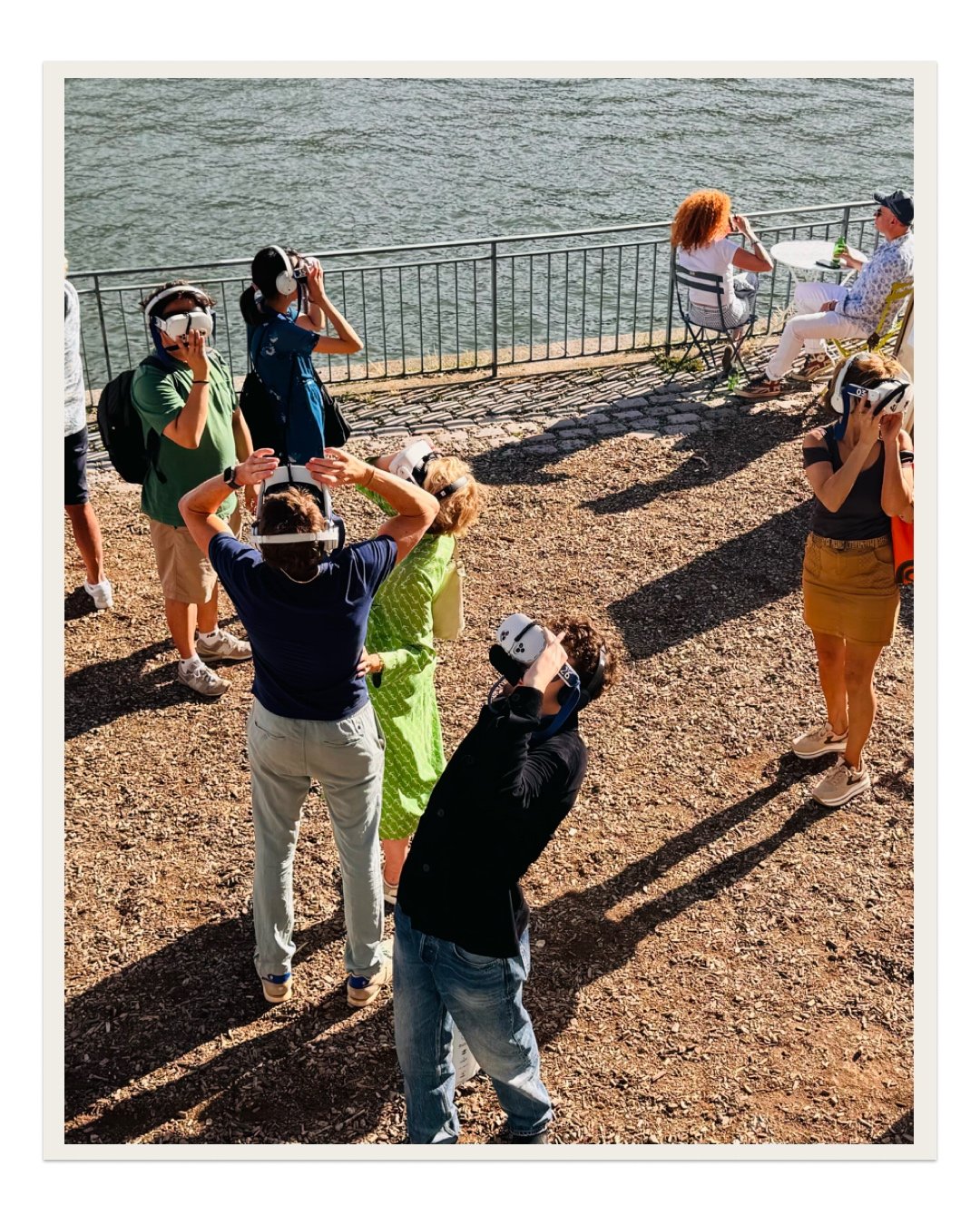
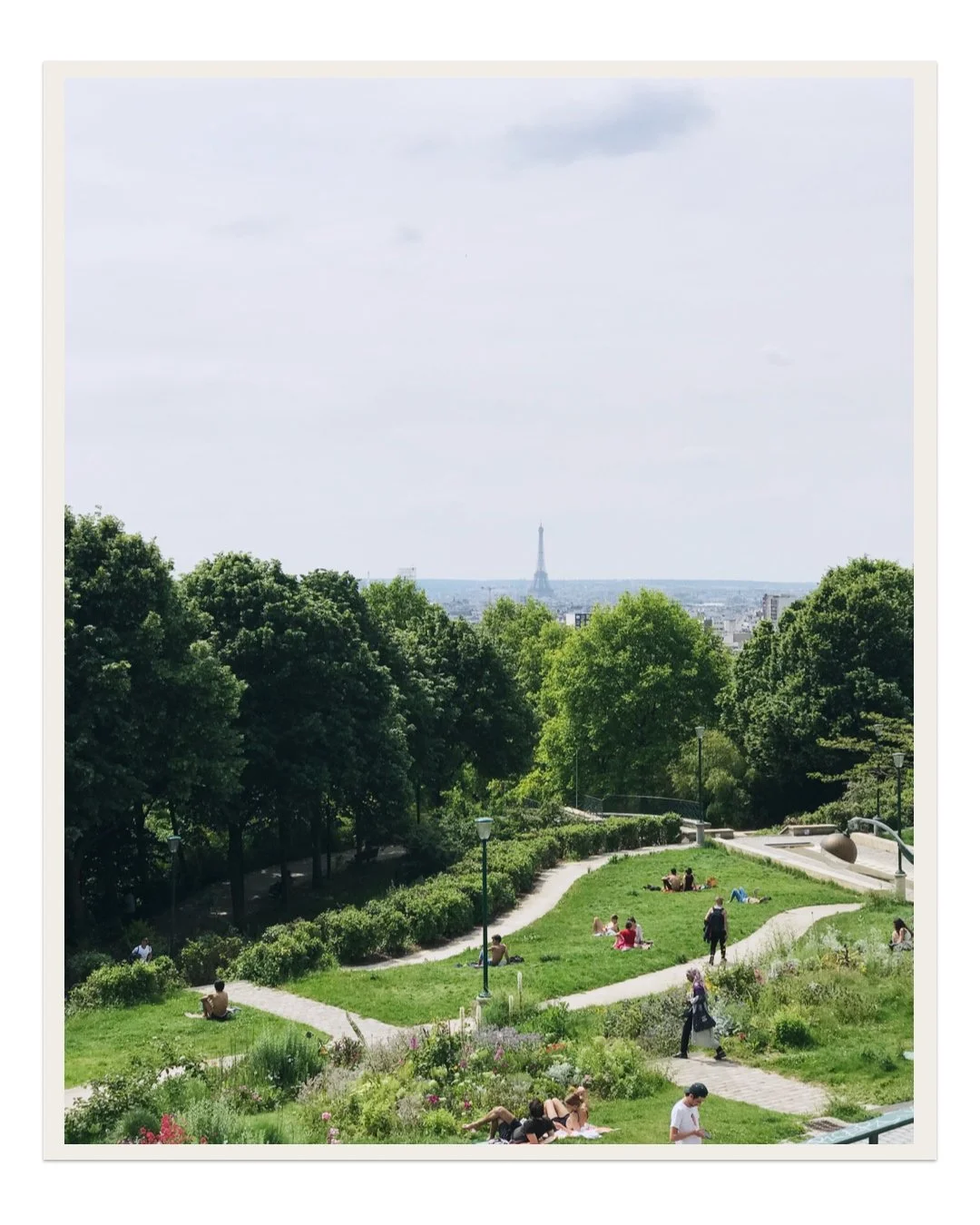
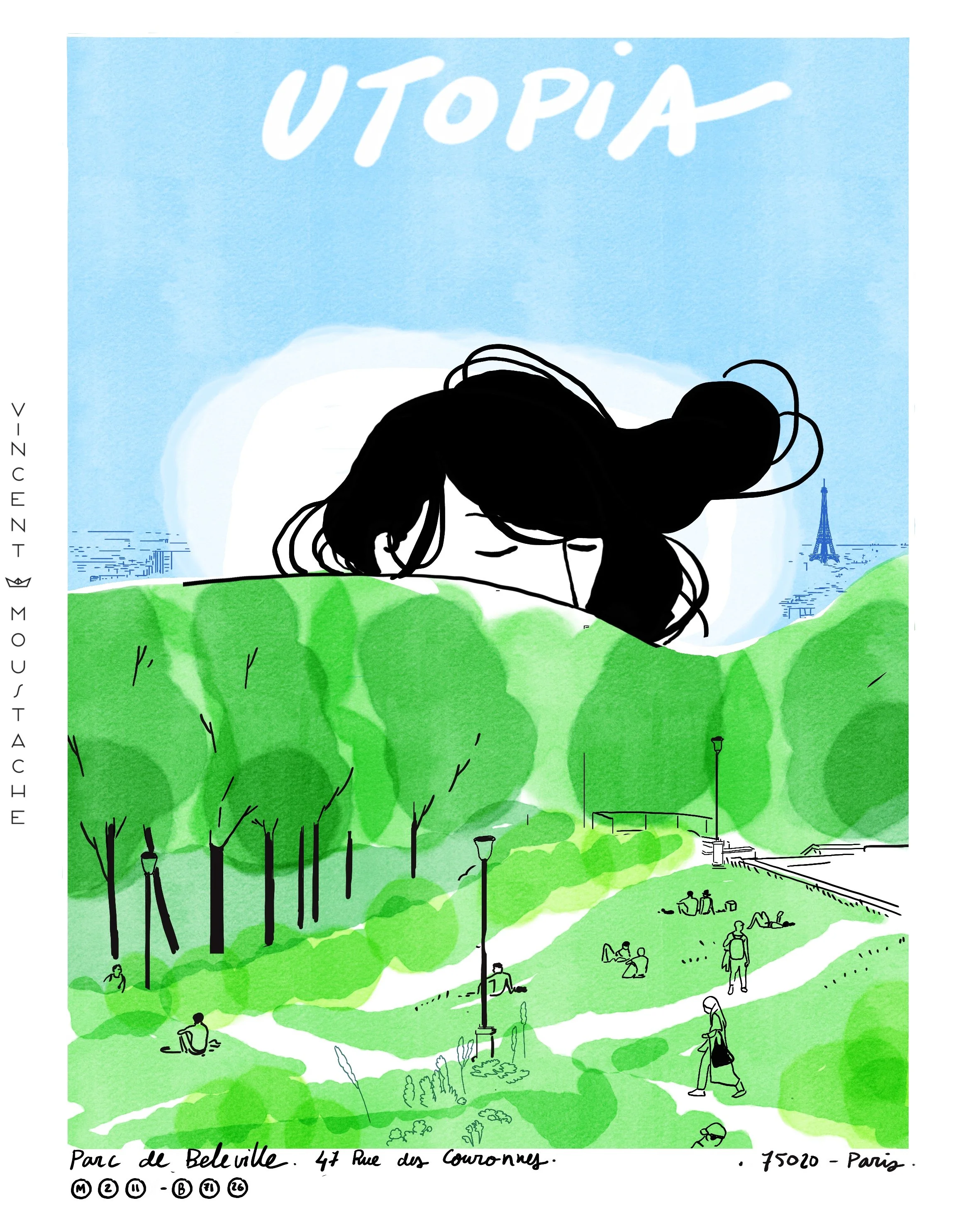
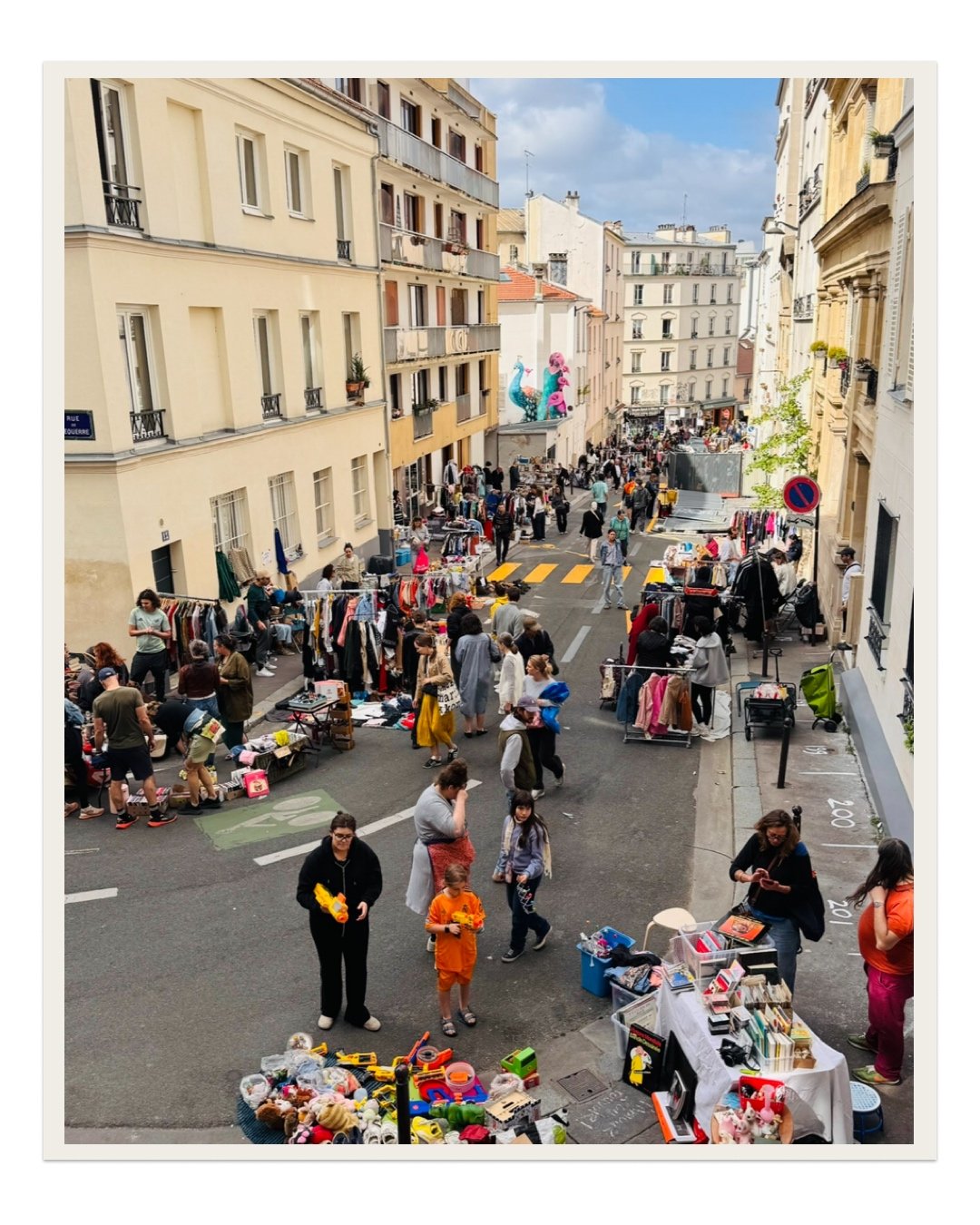
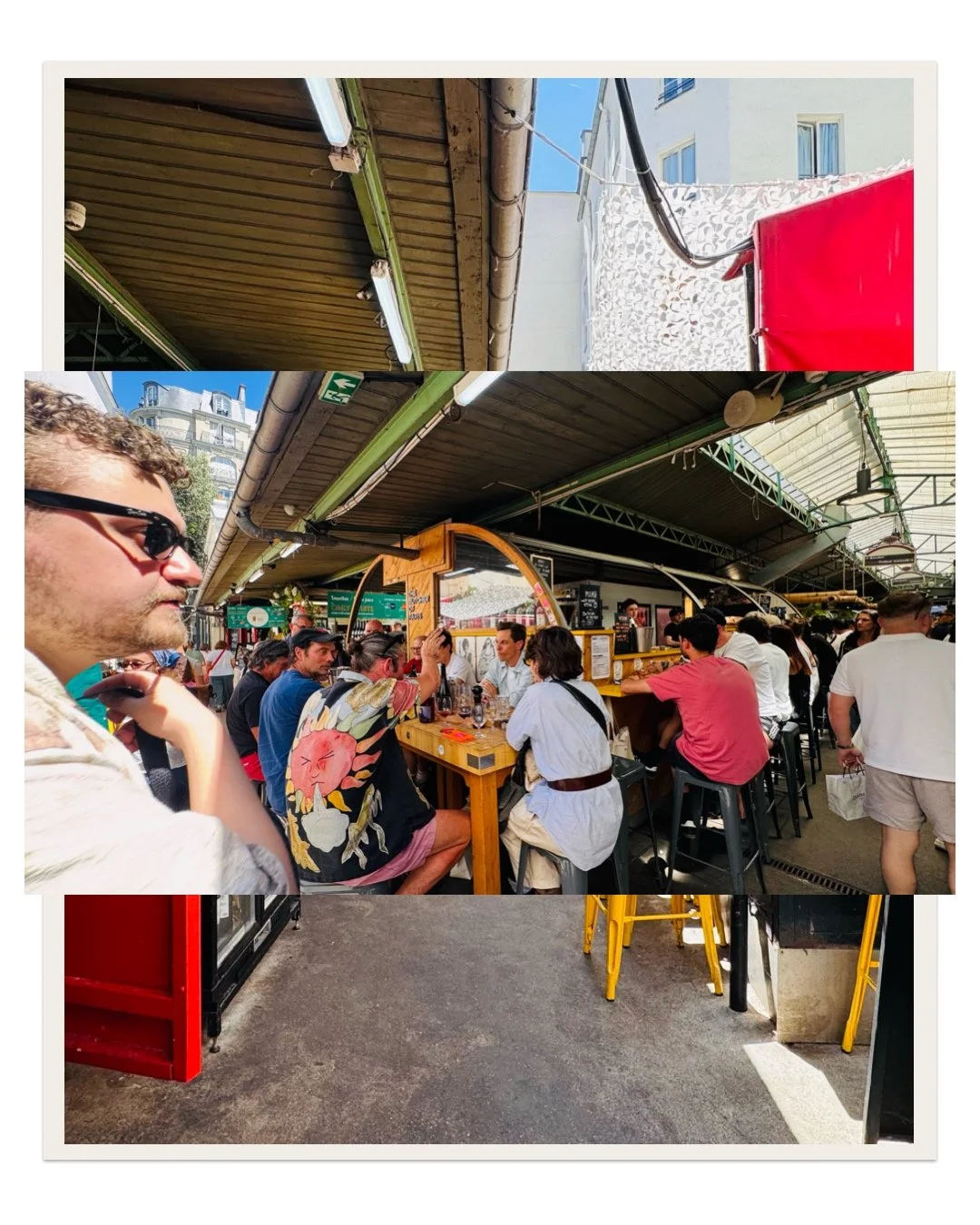
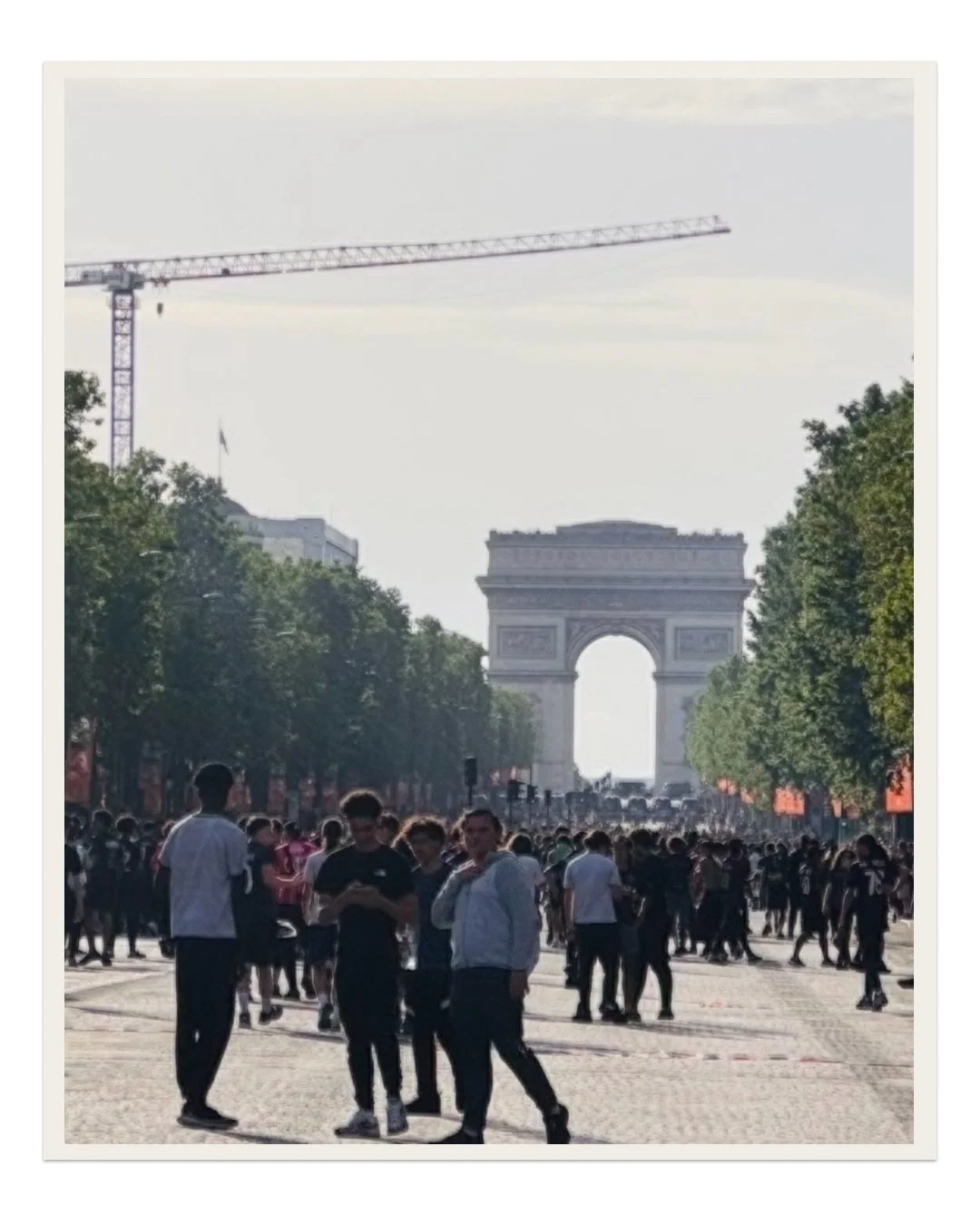
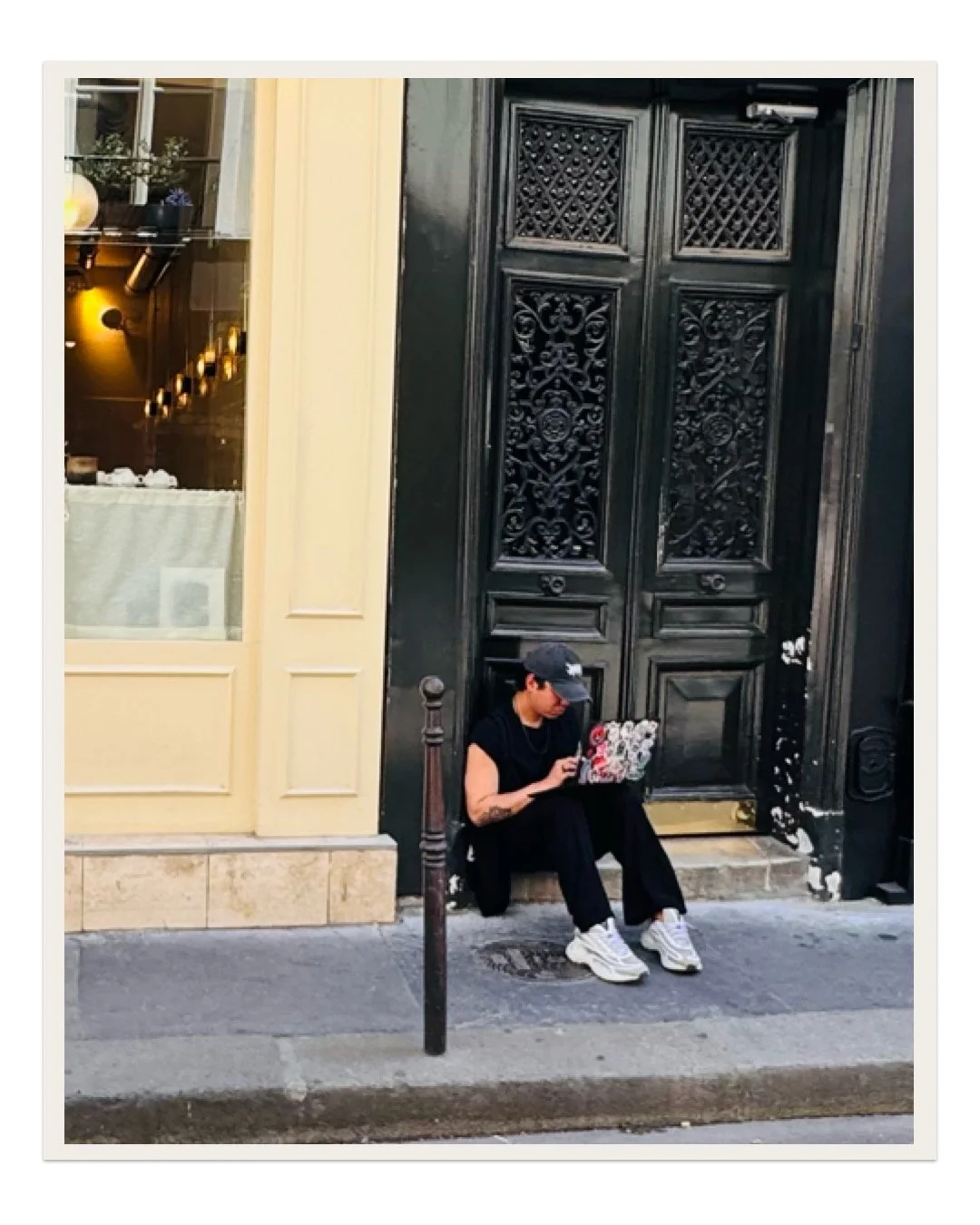
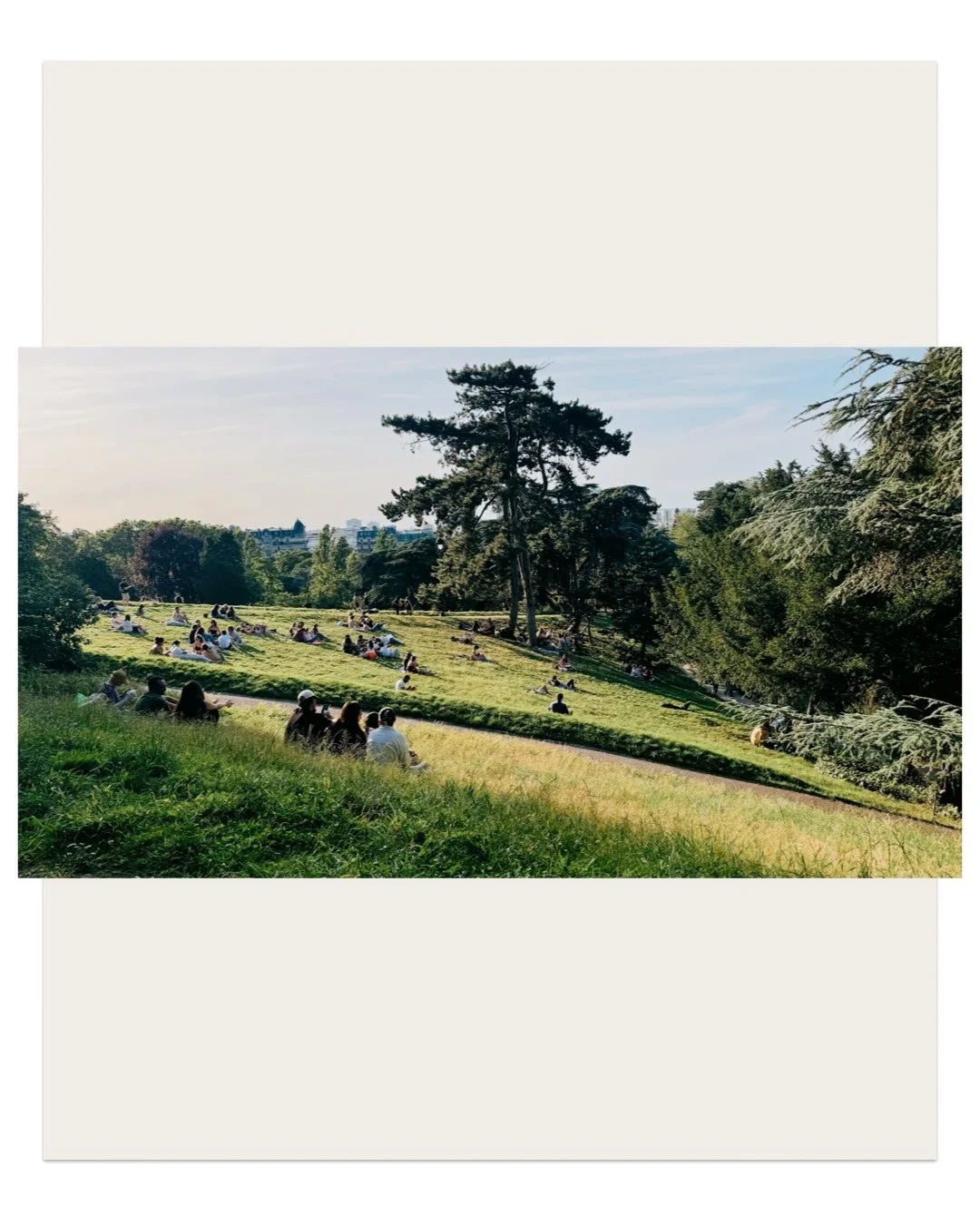
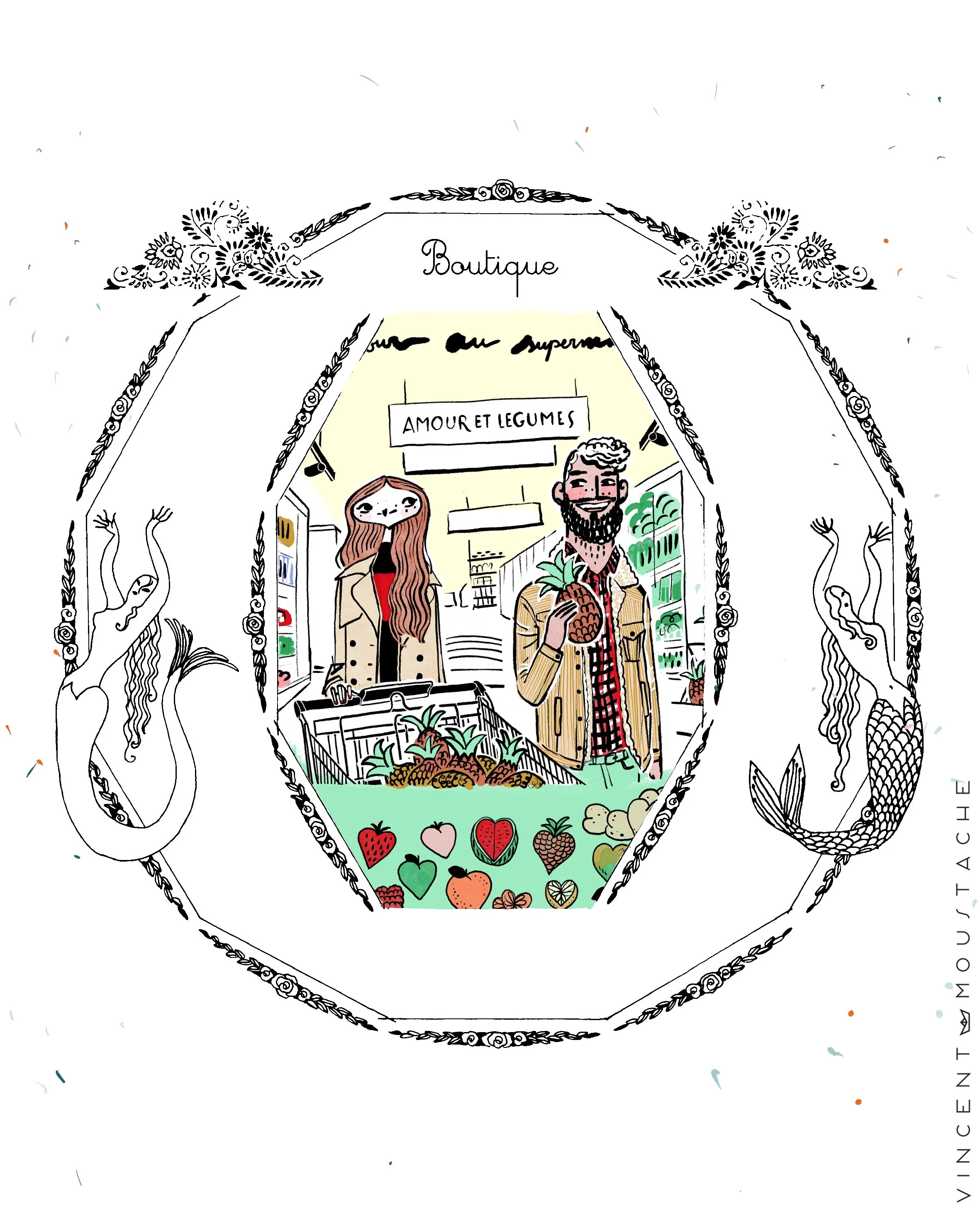
To write The Handmaid's Tale, Margaret Atwood drew inspiration from real events and fictionalized them into a future dystopia. In this article, all the illustrations on display show real scenes and moments that I have witnessed through my photos. These illustrations show that the future is much more present than we perceive, and that dystopia and utopia are far more real and closer than we like to think.
Text: Vincent Moustache assisted by AI. Illus: @vincentmoustache