IMAGINARY FRIENDS

PLAYLIST: "IMAGINARY WAYS” LINK
Text by Vincent Moustache with AI assistance for research, proofreading, and translation. Illustrations by Vincent Moustache.
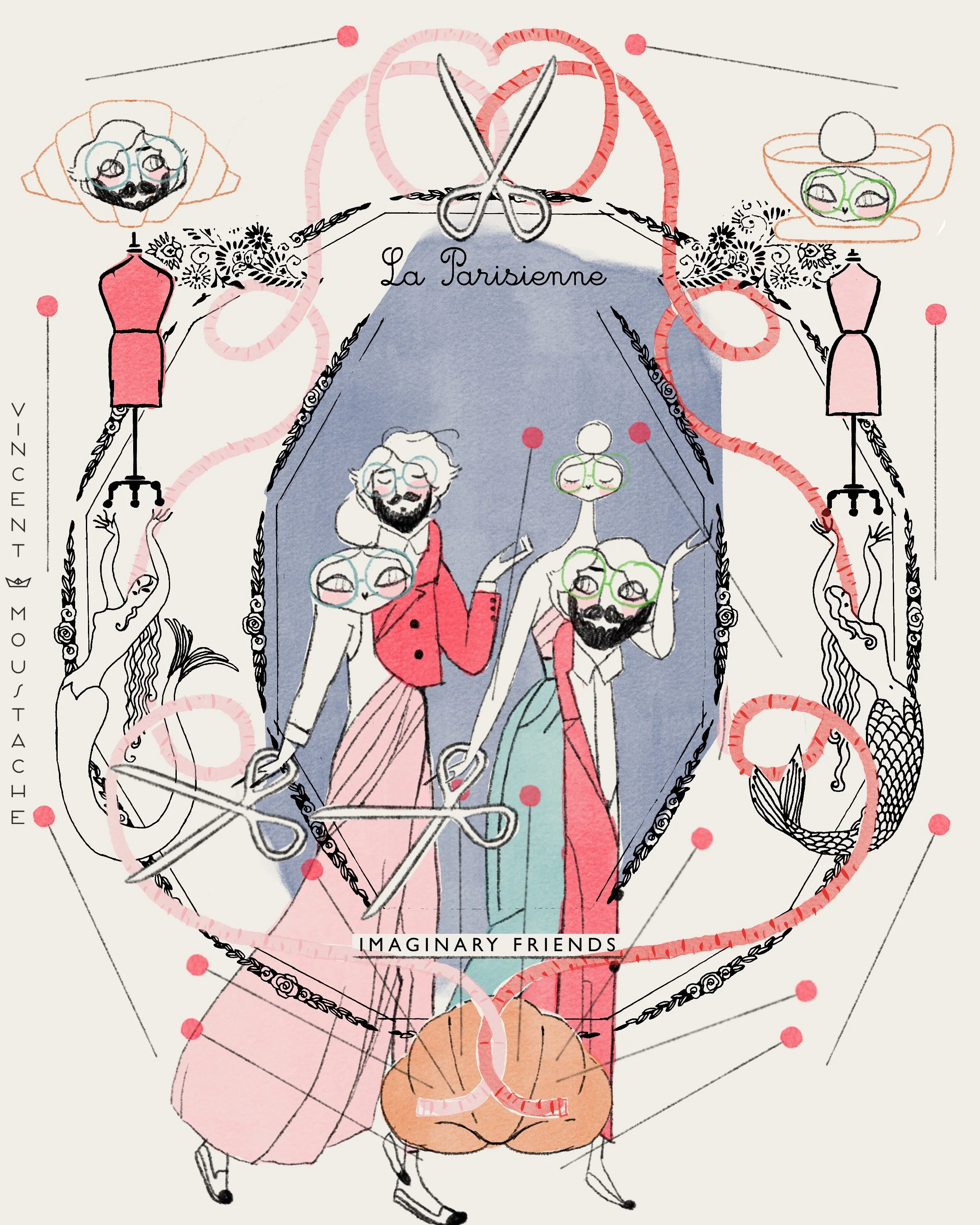
Dear Croissant,
One night in March 2012, I dreamed of a scene: two flatmates in the living room, one blonde and the other a dark with curly hair. The darkbrunette tells the other that she is in love with her boss, but that he has friendzoned her and takes advantage of her a bit. The next morning I woke up with the story in my head and obsessively started writing and drawing it. That's how "The Best ofThing in My Life" (Lo mejor de mi vida) was born—a graphic novel starring my invisible best friend and muse: S. She is the girl you've seen in all my drawings all these years.
"S? S for what? For now, just S."
EXCERPT FROM THE NOVEL
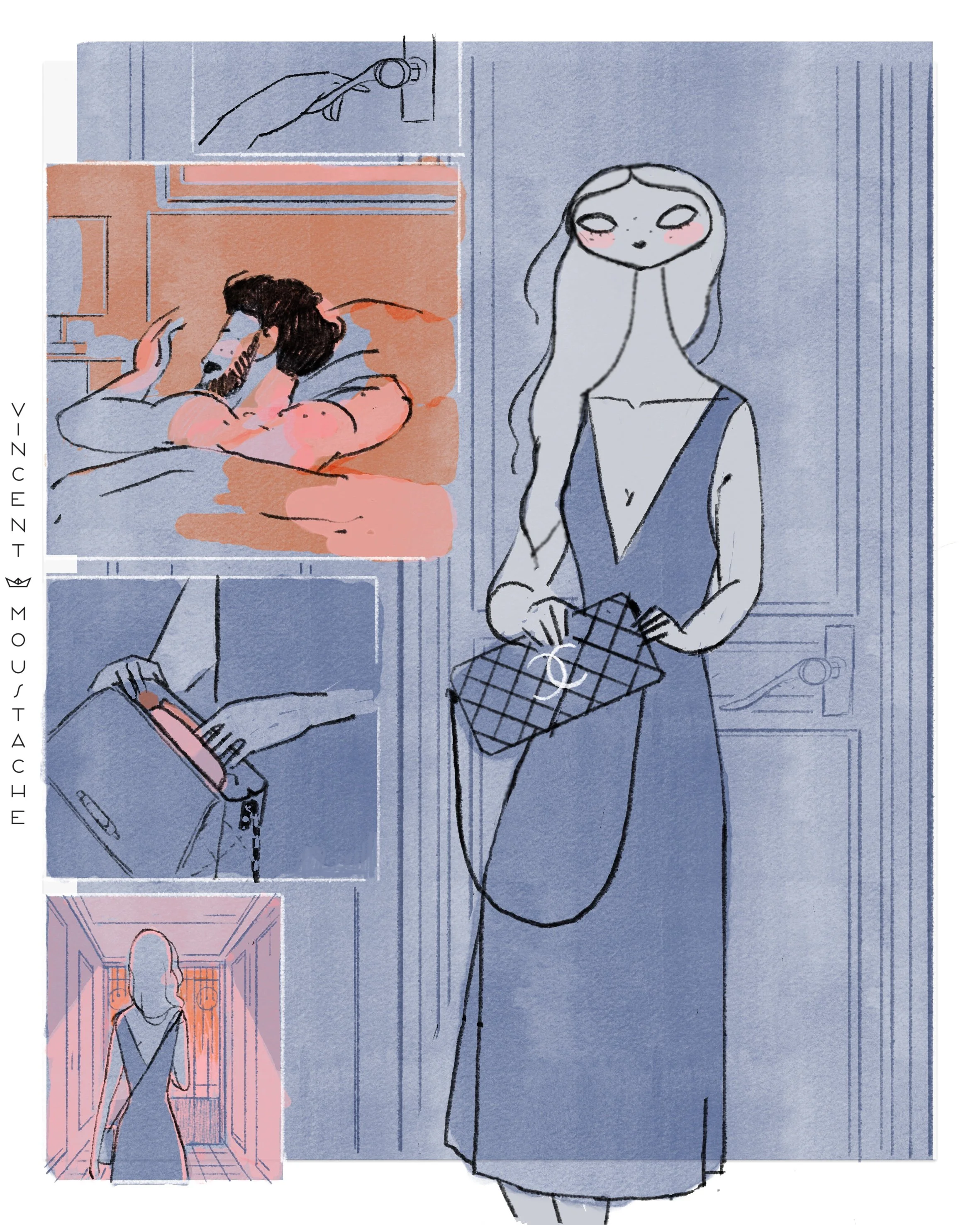
S? S for what? For now, just S.—and I closed the door behind me. I caught my breath for a second, resting my chaotic head of hair against it. I blew a stray lock off my nose. I rummaged through my things. As I was closing the door, through the gap I could see the palm of his right hand searching for the warmth my back had left right there just seconds before and—this part I only imagined—his lips arching a timid stay the night into the air, though silently, of course.
I AM 38 YEARS OLD AND I HAVE AN INVISIBLE FRIEND
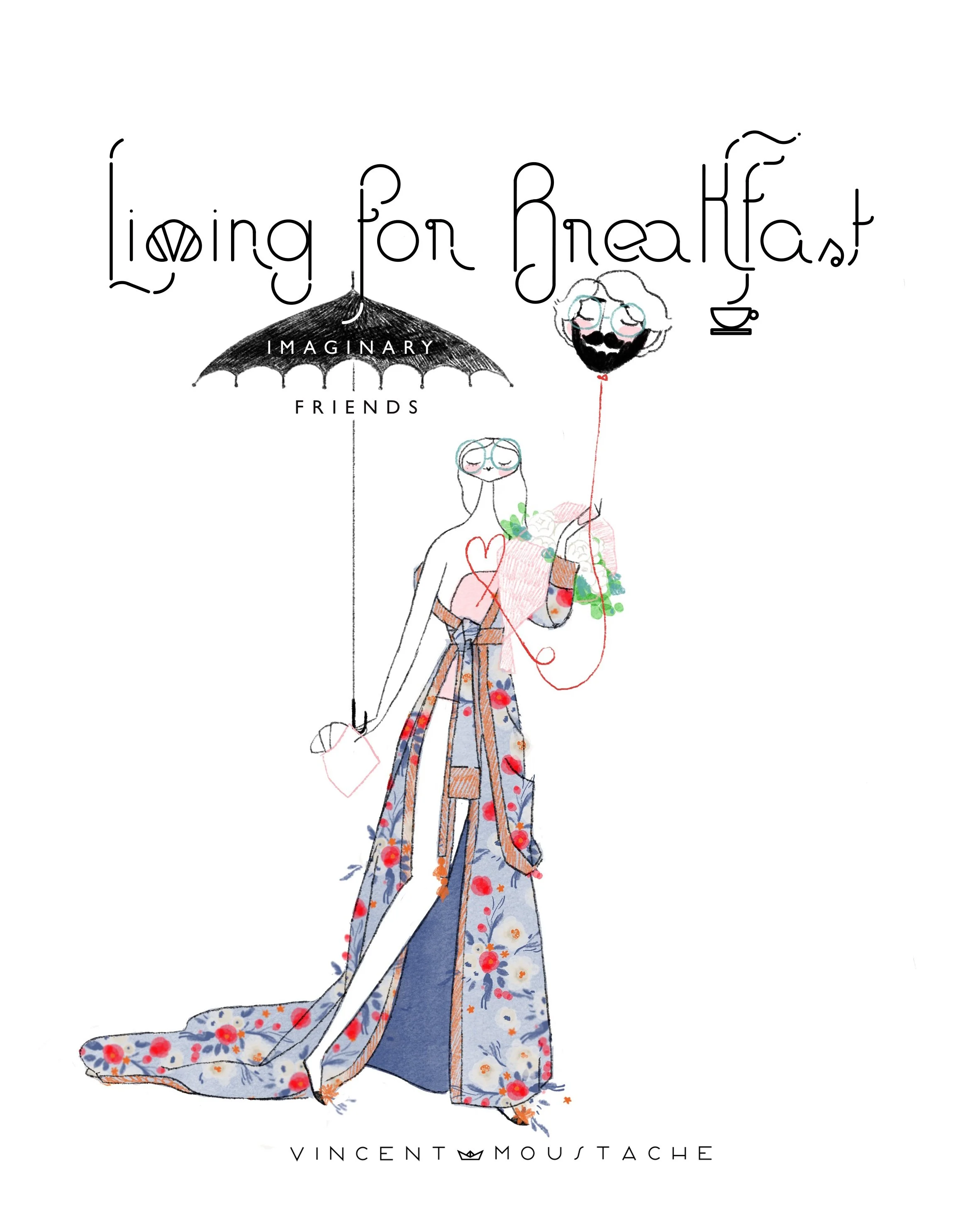
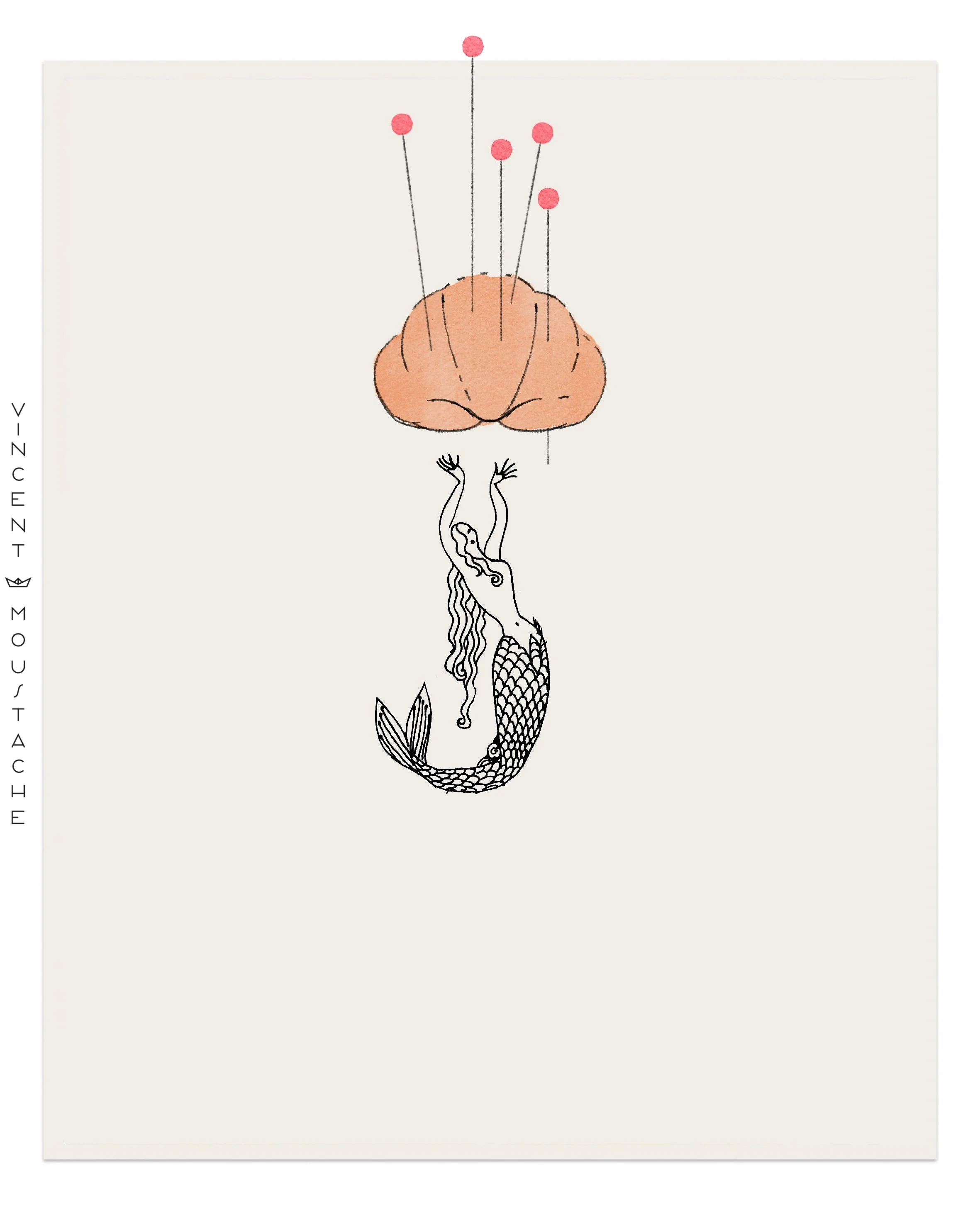
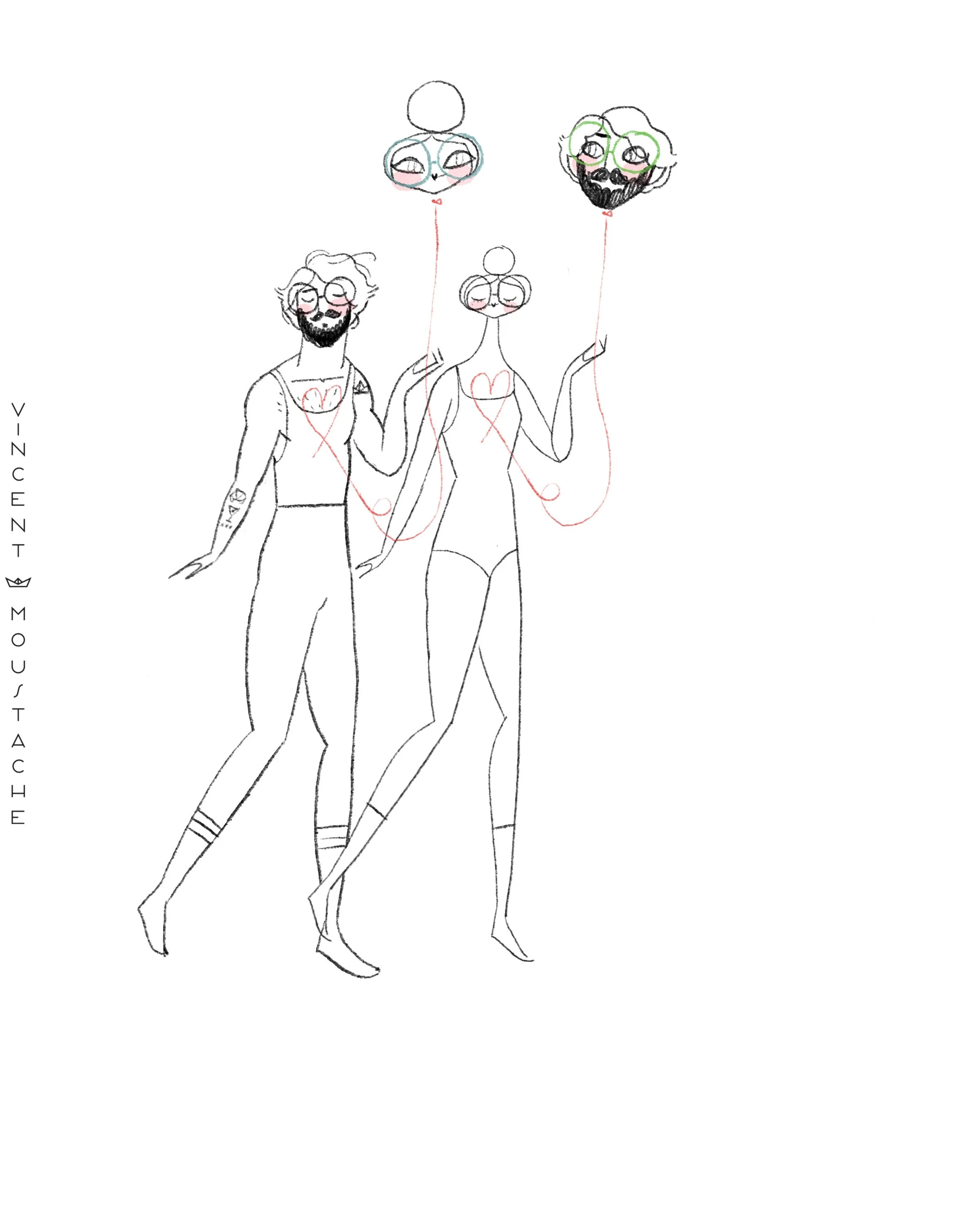
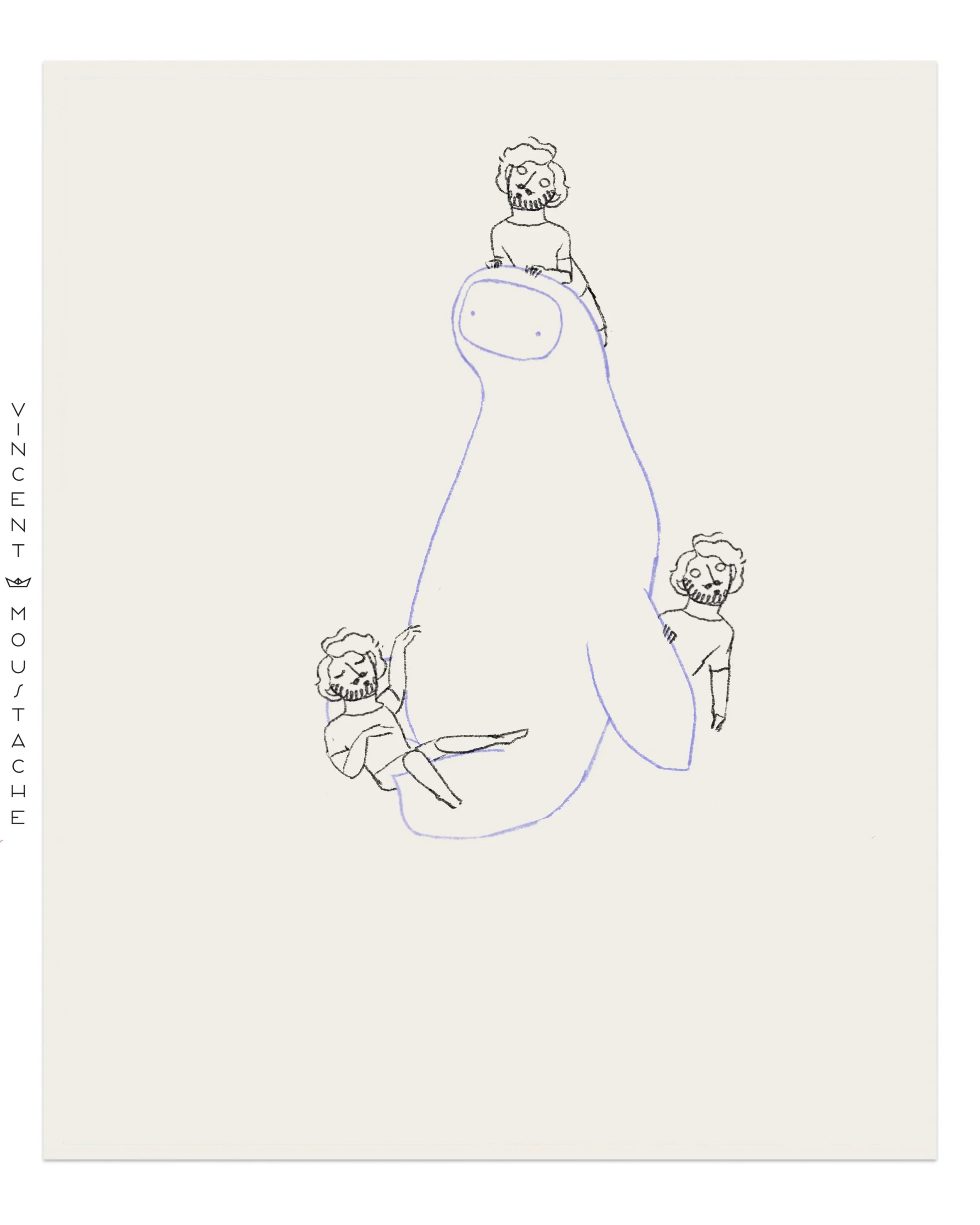
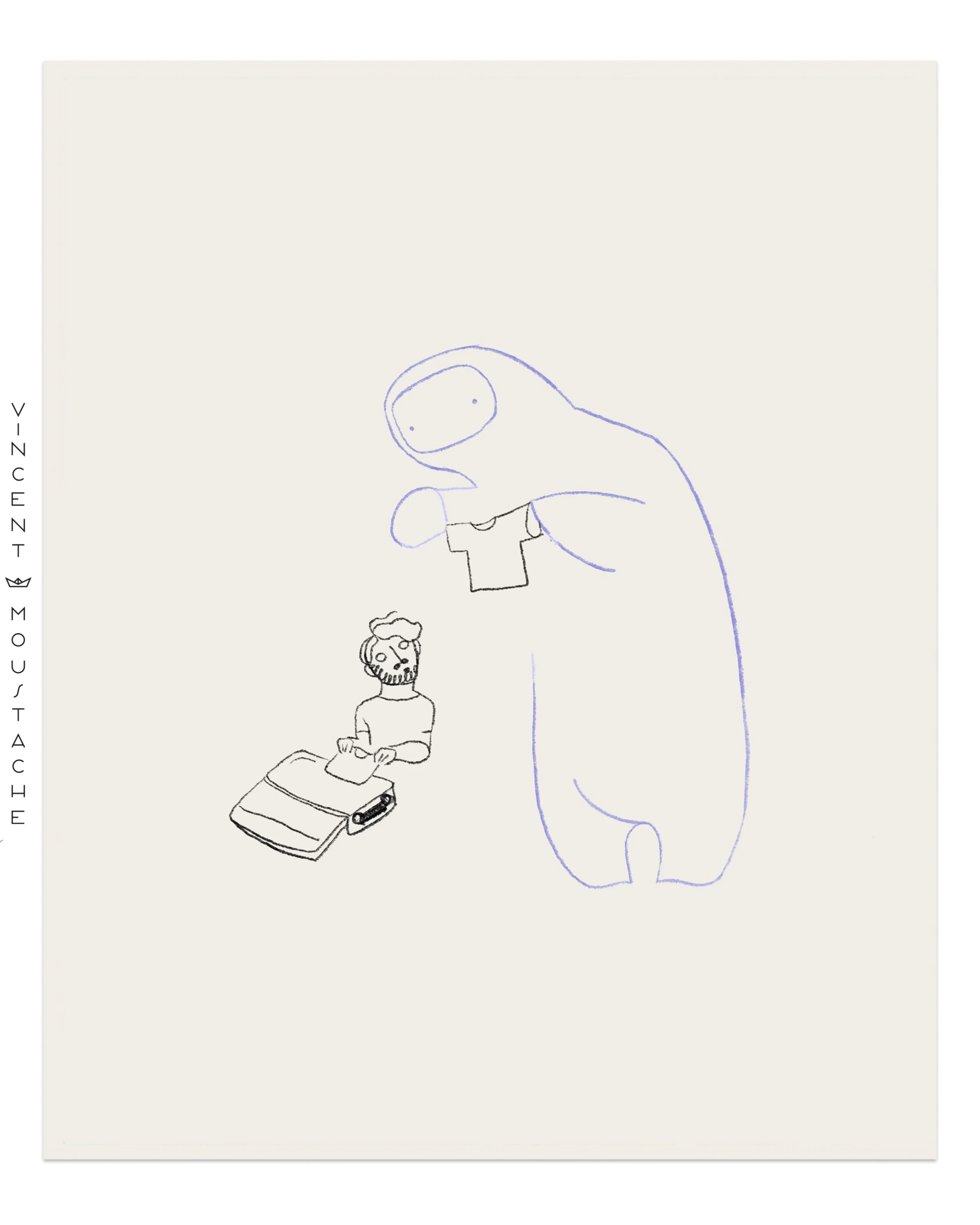
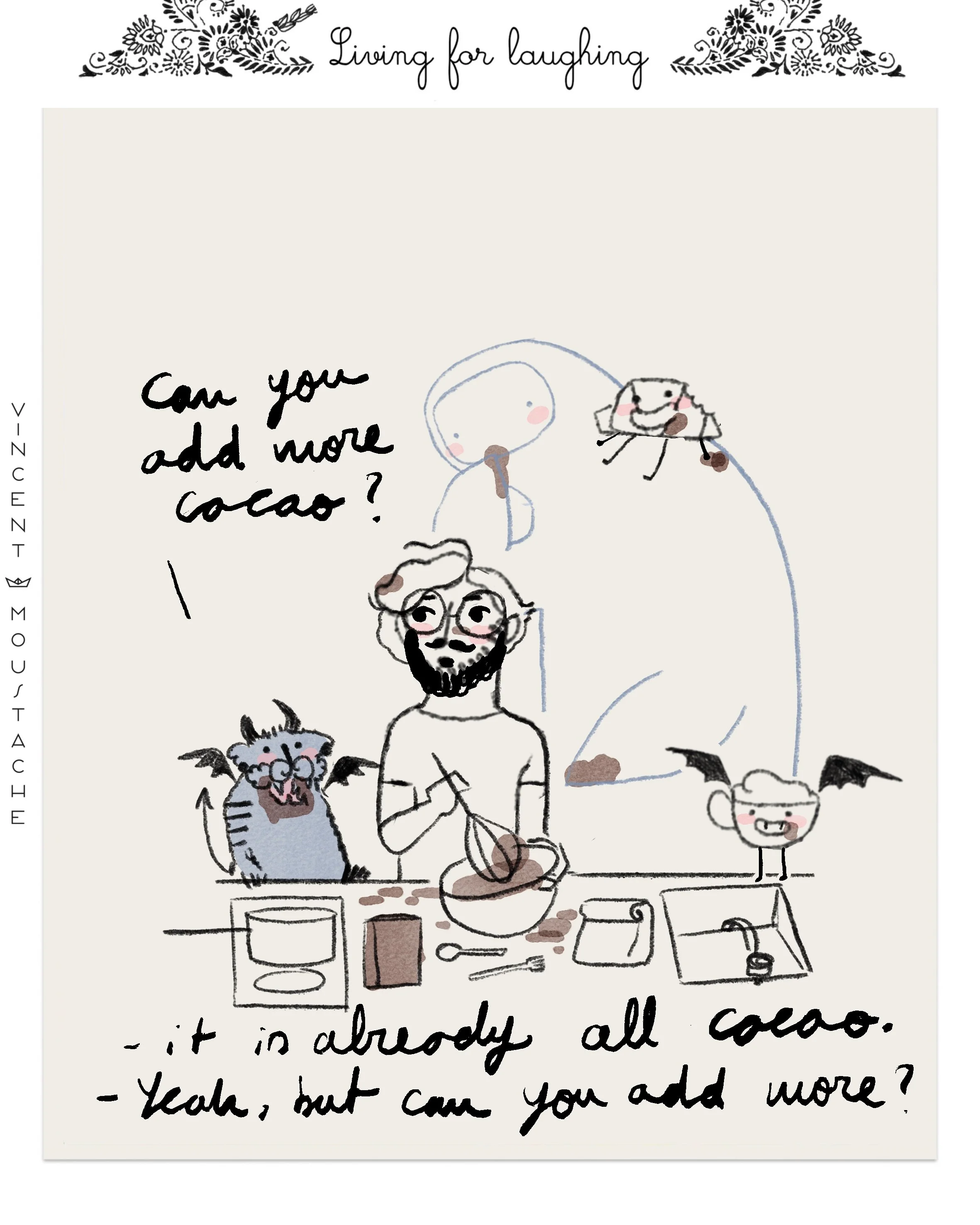
An invisible friend is a friend who doesn't exist on this physical plane, but is always there in your imagination: in childhood it’s all games; in maturity it’s all conversations. We creative types often talk about voices that guide our hand. For me, S. is a friend who tells me about her life, and together we build the illustrations. Not just the ones she appears in—ever since we met, she has been in all my projects as my muse, my character to draw. When I arrived in Paris in 2013, I was overflowing with inspiration and I drew only her. I remember telling my partner at the time, "I just want to draw her every single day of my life," and that's what I've done these past few years, while we tell each other about our lives. It's curious, we’ve grown up together; over these years she has been a witness to my stories and I to hers. We made it easy by deciding that both of us would be the same age. Losing partners, parents, siblings, female friends; meeting boyfriends, exploring cities, jobs, moving apartments; recognizing good friends, seeing how they evolve, seeing how they get stuck, seeing yourself trapped and taking a leap of faith. Now that I’m writing it down, these four years with S. have been one of the best things that have ever happened to me in my life. Who gets to tell a story like this? So real, so invisible, so beautiful. Isn't it an artist's job to point out beauty and create it?
PREMONITIONS
In Almodóvar's latest film, « Bitter Christmas » « Autoficción2 in France (2025), Bárbara Lennie's character (Elsa) chooses a specific hospital room where she once shot a movie to avoid another room in that same hospital. The character in the other room died, while the one in this room lived. She says, "I think cinema has something premonitory about it, at least that's what I believe." I have no idea how this works; I only know that it happens to me when I write and draw. Reality and fiction weave in and out of each other as if reality were a fabric and the stories were embroidery. One of the most hilarious premonitions was that my character and invisible friend S. opened a sewing workshop in her grandmother's huge apartment in the city center—in the novel, Barcelona. Years, many years after writing it, I met Mariola in a tailoring course during COVID. Mariola has a sewing workshop in her grandmother's apartment in the city center. We became best friends, and now we share that space whenever I'm in Valencia.
CHILDHOOD'S BEST INVISIBLE FRIEND
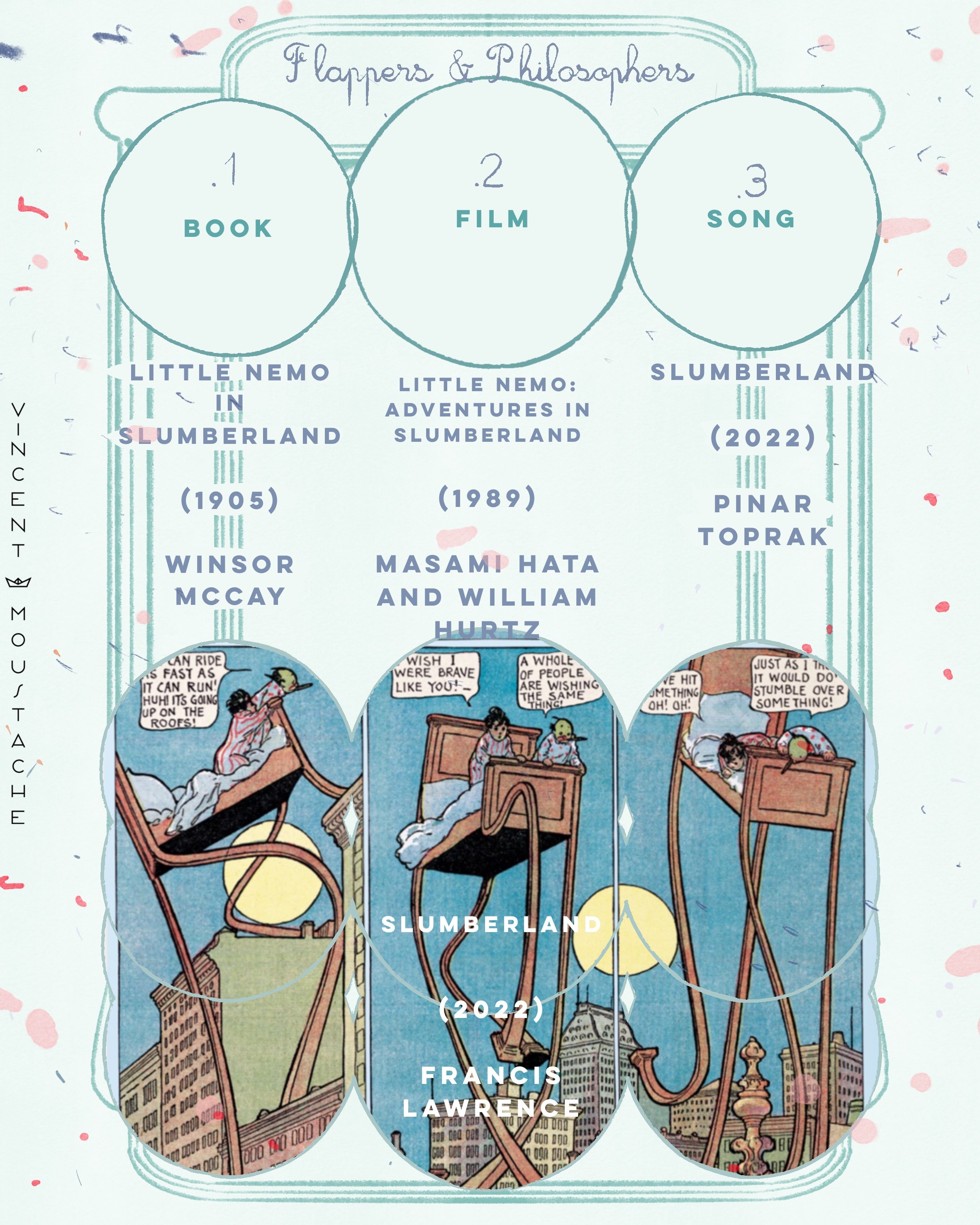
In the movie Inside Out, the emotions have to sacrifice Andy's best invisible childhood friend—the only one who invites her to play purely with imagination, and the only one who doesn't control anything about her. Andy grows up. I disagree with this scene. I think it justifies the adult-children who invade our lives these days—a category in which I include all adults present: children without creativity, adults without imagination. Sad.
ADULTS AND FRIENDS
What happens if an adult has an imaginary friend? People will think they are immature, a Peter Pan, childish, and—obviously, the wild card word for everything we don't understand—crazy. On the other hand, everyone talks to Siri, to Alexa. Who are they? An imaginary friend only wants to play with you; Siri just wants to sell you stuff. No movie has better explained how this digital imaginary friend thing works than Spike Jonze's Her (2013) (Cast: Joaquin Phoenix, Scarlett Johansson, Amy Adams) and a few episodes of the terrifyingly and increasingly realistic series Black Mirror (Netflix).
IMAGINATION AND A BETTER LIFE
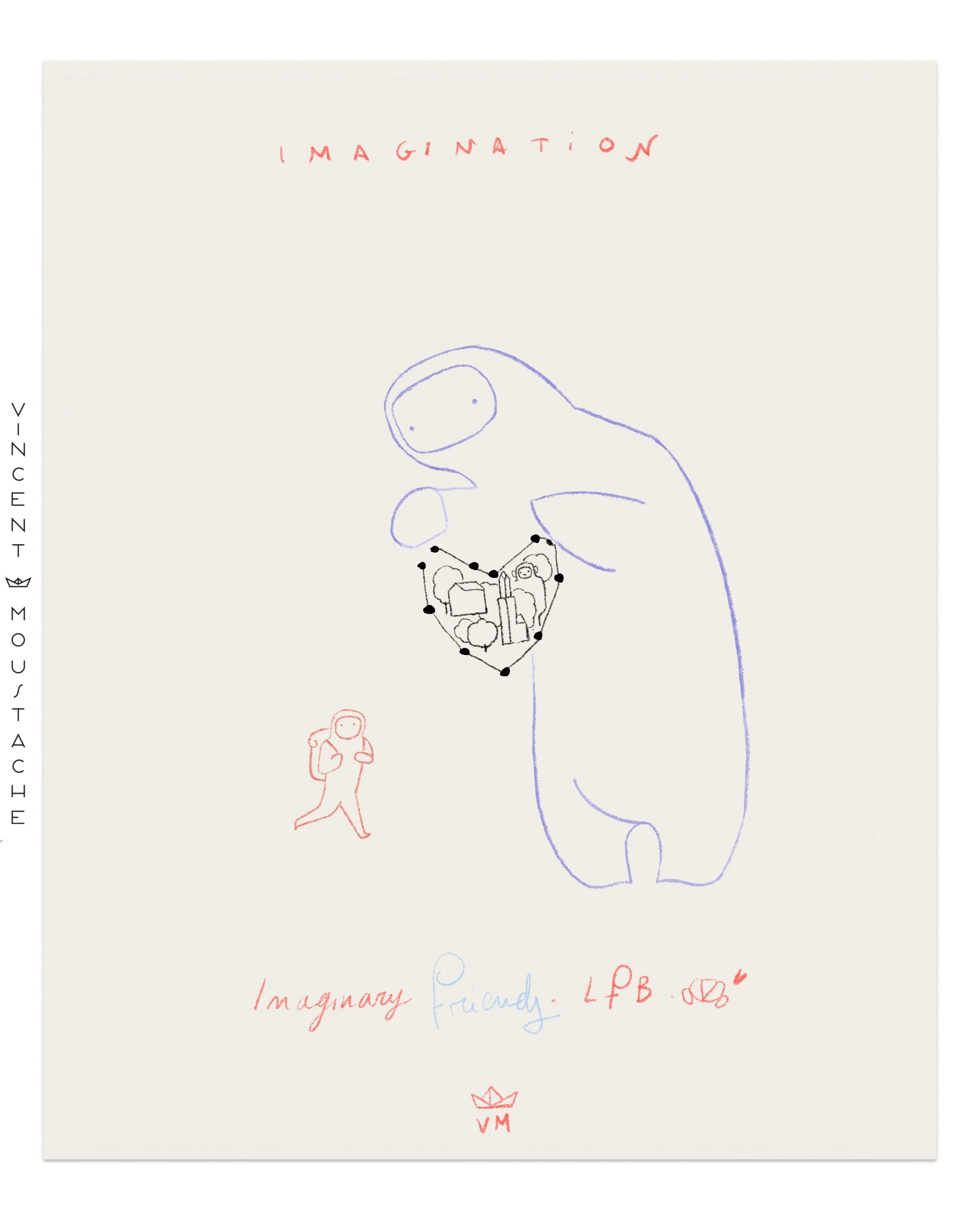
Imagination is a necessary muscle for survival. Imagination allows us to place ourselves in scenarios where we are better off; it allows us to solve mental puzzles and real problems; it allows us to feel good when everything goes wrong; it allows us to paint, draw, write, sing, cook, speak, listen better, empathize, laugh, imagine a better life, and, of course, get better at life. In previous articles, in the Aperitivo on this very topic, "Imagination", you have some of the benefits of using your brain explained, my dear.
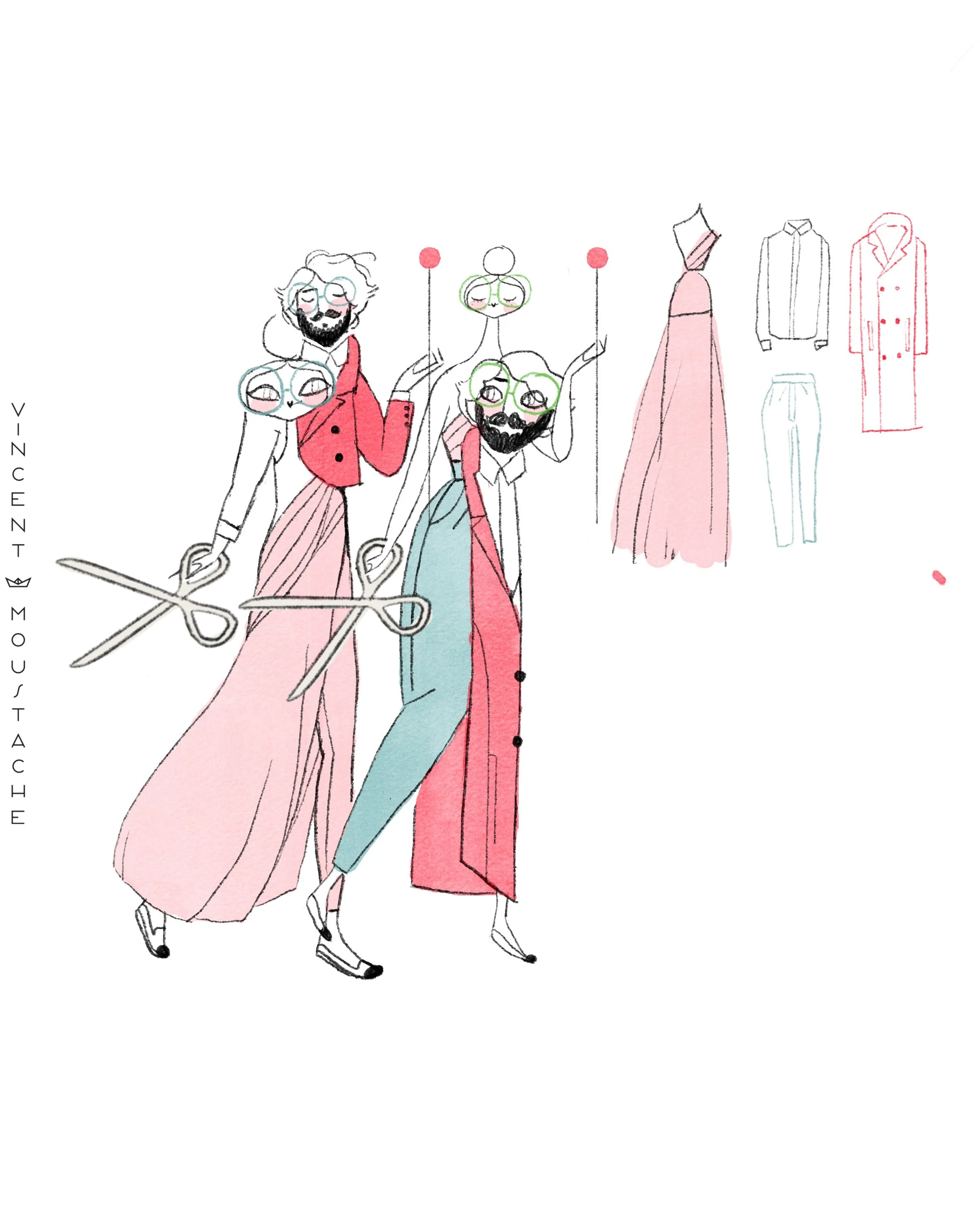
HAVING AN IMAGINARY FRIEND IS AN ETERNAL CONVERSATION
Having an imaginary friend is having an eternal conversation with your own psyche—with your longings, your fears, your dreams, your aspirations, your viewpoints, your doubts, your opinions. It is your mental Gym Bro that always shows up to the workout and always cheers you on.

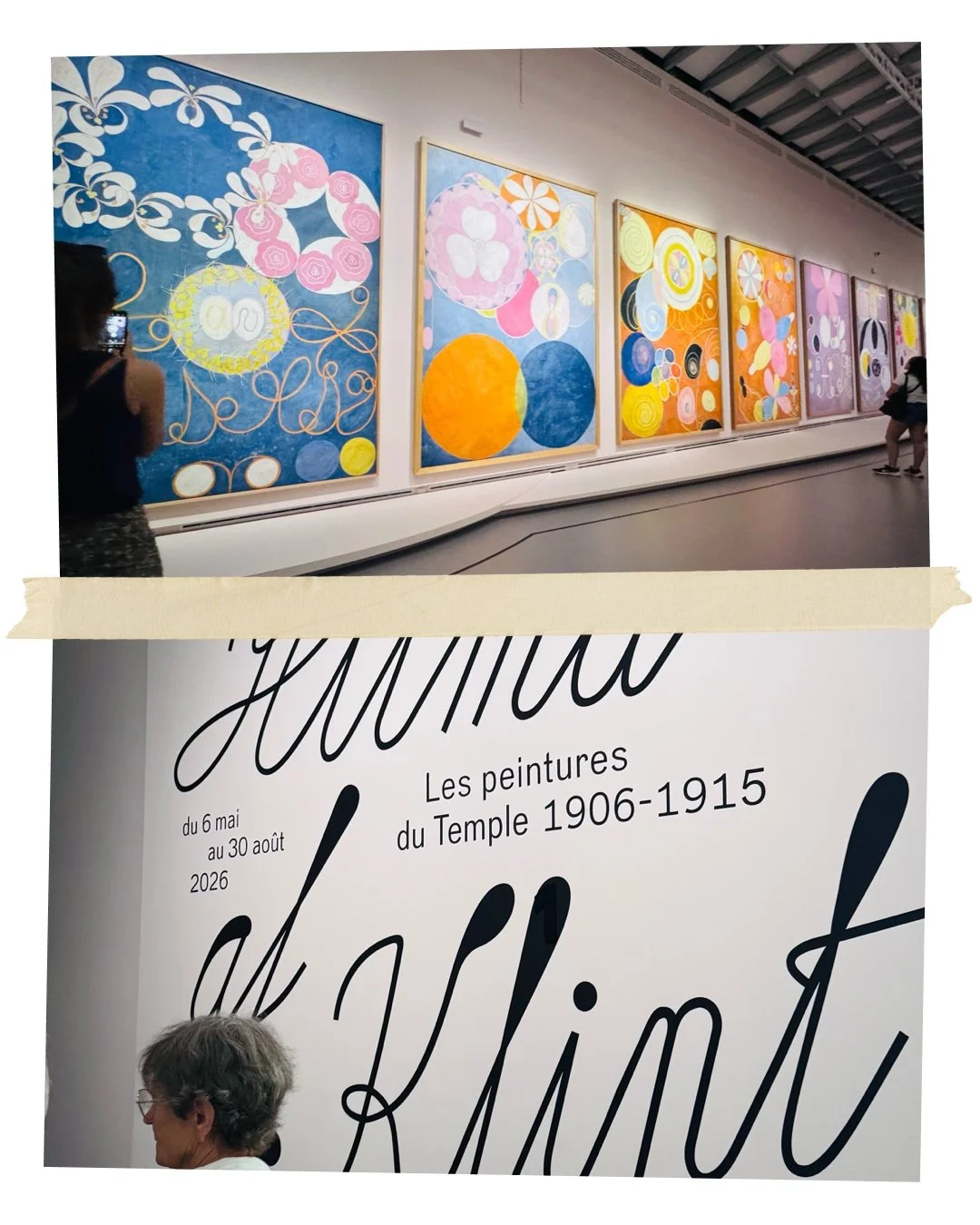

“Hilma af Klint . Paintings for the Temple (1906–1915)”
193 monumental paintings created to inhabit a spiral temple.
"If we're talking about imaginary friends guiding your hand to draw, we can't leave Hilma af Klint out of this conversation. Throughout her life, she secretly painted a series of monumental works intended for a spiral temple. She never exhibited them and maintained a public career as an artist that had nothing to do with this visionary body of work. I had the privilege and good fortune to see them in a real spiral temple—the Guggenheim in New York—back in 2018, and now in 2026, I've had the chance to experience her work again at the Grand Palais."
Who Was Hilma af Klint?
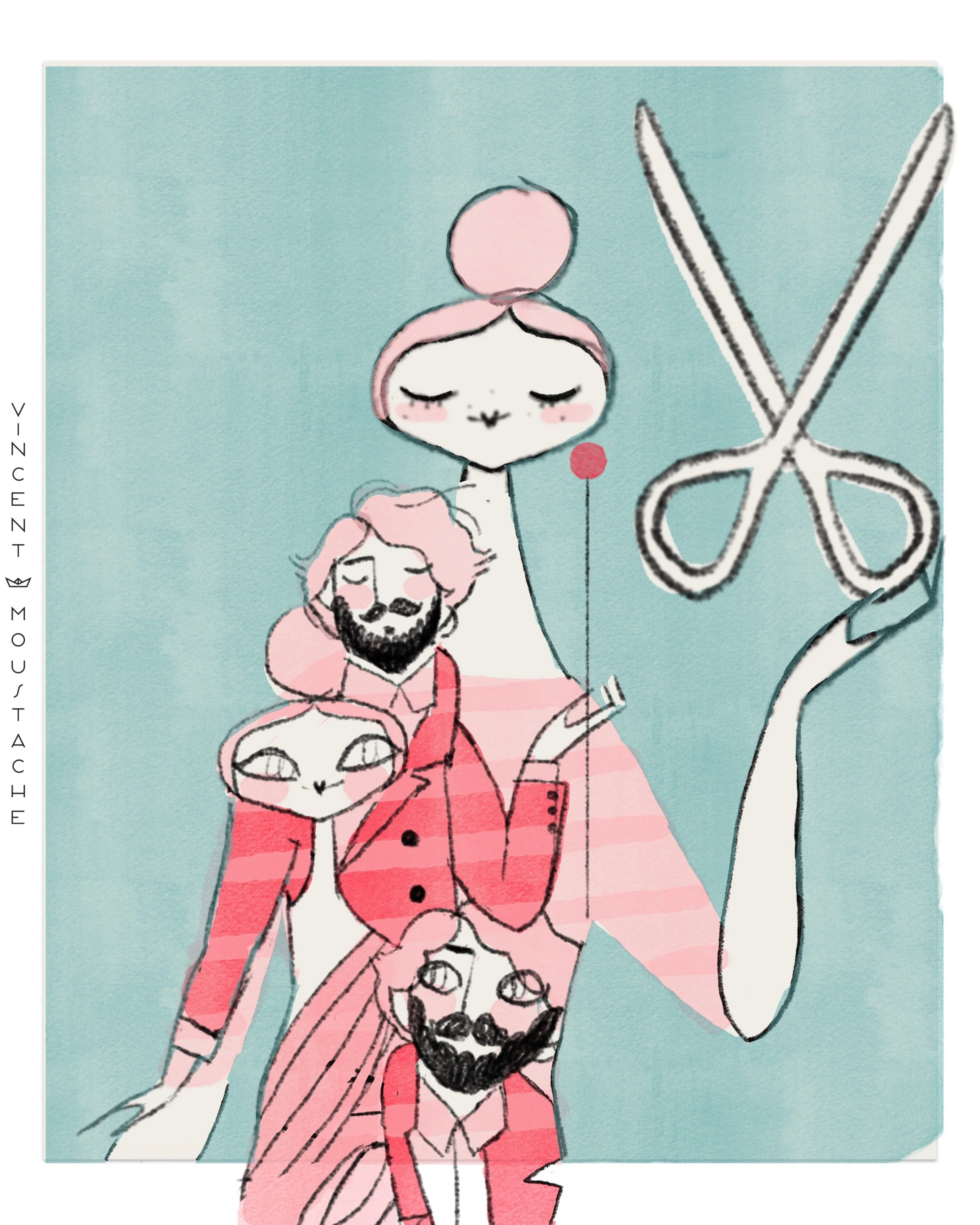
A FRIEND, A FAMILY, A CHOICE, AN ATTITUDE
A friend is a person chosen in the world; they arrive by chance and stay by affinity. Family comes purely by fate—the one you get—and their roles and hierarchies are dictated by society. That's why a family works, even when it works poorly. As we get older, relationships—whether friends or family—can only work if everyone dresses up as a friend. Friends are the family we choose, and family are the friends we choose.
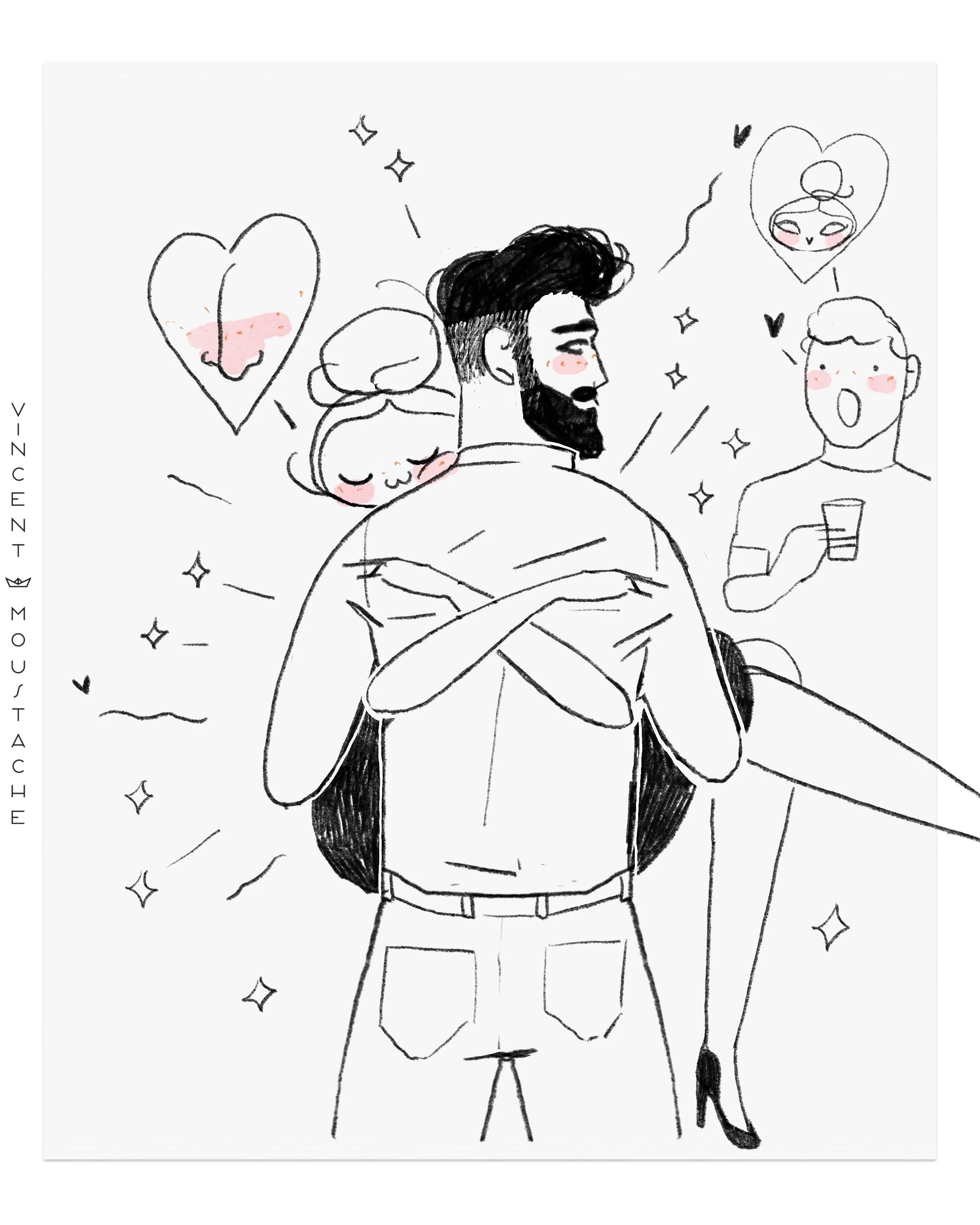
EXCERPT FROM THE NOVEL
THAT SAME NIGHT, BUT EARLIER:
Oops, sorry, do I know you? My nervous system decided to mutiny and replace every 'c' with slurred 'g's, intoxicating every consonant I uttered. In case irony falls short of explaining a good story: I was drunk, very drunk. Art galleries—and anyone throwing a party—should invest more budget in real food than in cheap wine. I barely let him get out a simple "I don't think so" before throwing myself at him, shouting, "My God, you smell so good!" while my nose, behind my hands, snaked around his neck slyly. On his part, he offered mild resistance.
- Do you have a girlfriend? - No. - And is she here? - I literally just told you I don't have one.—By this point in the conversation, I was already climbed up on him, clinging to his neck. - Well, take me home then, I want all my things to smell like you. - I can't, I came with some friends who... - I'm sure they won't mind.—I released one arm and turned to the first guy standing near me (at 20, anyone could work in a circus, such stability and flexibility)—You wouldn't mind if I went home with him, right? - He's not one of my friends. - I wouldn't mind if you came to my place. - HEY! She's with me.—Checkmate. I wrapped my arms firmly yet subtly around his chest, right at his pecks, resting my lips near—and not far from—the left side of his neck, leaving a warm, steady breath on him: this is called "neural programming," my friend, know-how. Anyone watching us would think I was crazy and that we were madly in love, but I don't want to give you spoilers about being in love. I suppose he looked at me for a few seconds somewhere between incredulous and "marry me" while trying to remember where he had put his wallet. It didn't take him long to react: "Shall we go?" To which I answered with a silent tilt of my head. Most likely—100% sure—we had a loyal audience for that scene. I imagine that: 1. Screaming drunk, and 2. Being carried out in a man's arms—all in the middle of a very chic and formal gallery opening—attracts a little, just a little, attention. The truth is: 1. I don't remember a thing, only what I've told you, 2. All the better, I like people to remember me. And 3. (An extra tip) you can always, always say that wasn't you (you're welcome). He stuck to his cinematic role, An Officer and a Gentleman, and carried me off toward the exit. I only woke up from my dream state to ask for my purse, and someone, with the voice of Ferdi—the friend I arrived there with—shouted with a 'g' in every word, "I'g got ig!"—another one who needs no irony.